
Allahabad High Court Criticizes UP Government Over Stampede Compensation Delays
Court's Strong Stance on Compensation Delays
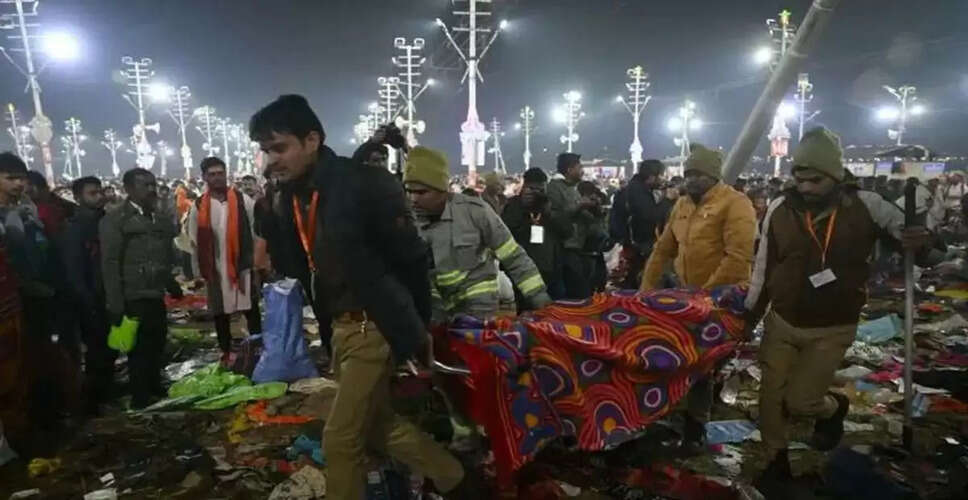
On Friday, the Allahabad High Court expressed its discontent regarding the slow disbursement of compensation to families affected by a tragic stampede at the Maha Kumbh Mela in Prayagraj. The court highlighted the Uttar Pradesh government's apparent indifference towards the suffering of its citizens.
A bench comprising Justices Saumitra Dayal Singh and Sandeep Jain instructed the state to provide comprehensive details about the fatalities and medical treatment given to those injured during the pilgrimage, which took place from January 28 until its conclusion.
The court also demanded that the ruling Bharatiya Janata Party government disclose the number of compensation claims it has received, those that have been resolved, and those still pending.
The stampede occurred on January 29, coinciding with Mauni Amavasya, a day of significant religious observance for Hindus, when a large influx of pilgrims gathered for a holy dip.
According to the state government, at least 30 individuals lost their lives, and 60 sustained injuries. However, various media reports have indicated that the actual number of casualties may be considerably higher.
Uttar Pradesh Chief Minister Adityanath had previously announced a financial aid package of Rs 25 lakh for the families of the deceased.
The court's remarks came during a hearing related to a petition filed by the husband of a victim, who raised concerns about the lack of a postmortem examination before the body was returned to the family.
The judges noted the severe injuries sustained by the woman, including a crushed rib cage, and questioned the absence of official records or communication regarding her death's circumstances.
The bench mandated that medical facilities and authorities in Prayagraj be included in the petitions and required them to submit affidavits detailing all patients and deceased individuals admitted or released from their care during the relevant period.
Alarmingly, the court pointed out that the woman's body was returned to her family in February, yet compensation had not been issued, labeling the state's inaction as unacceptable.
It emphasized that it is the state's responsibility to provide compensation to the affected families with the utmost respect and dignity.