
Aishanya's Struggle for Justice After Pahalgam Attack
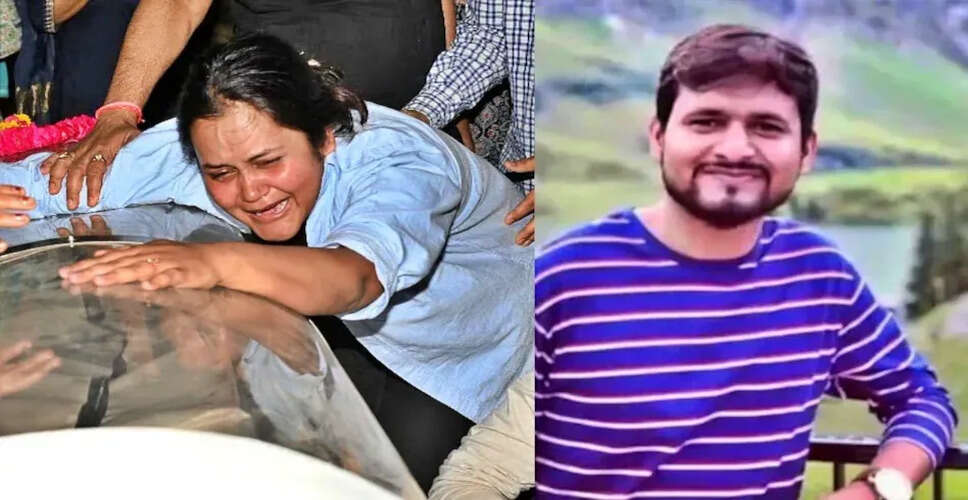

Aishanya's Heartfelt Plea for Support
Aishanya, who lost her husband in the Pahalgam attack, has once again expressed her profound sorrow. Seeking justice and support, she has reached out to government officials, revealing her feelings of helplessness. Despite her repeated requests for an audience with Uttar Pradesh's Chief Minister Yogi Adityanath, she has faced disappointment each time.
According to Aishanya, her life has been irrevocably altered since the death of her husband, Shubham. The family has been overwhelmed by grief, and during this challenging time, she hoped for compassion and assistance from the administration. She mentioned that she has been in constant contact with officials and submitted applications, yet has been unable to secure a meeting with the Chief Minister.
Her pain is evident as she states, 'We just wanted to share our story and express our suffering, but we haven't even been given that opportunity.' This statement not only highlights her personal anguish but also raises questions about the sensitivity of the system.
The attack in Pahalgam has devastated numerous families, including Aishanya's. Following the incident, the government made promises of aid and action, but affected families report ongoing challenges at the grassroots level.
The situation has begun to take on a political dimension, with opposition parties questioning why a victim's family must wait so long to meet the Chief Minister. Meanwhile, administrative sources claim that scheduling conflicts have prevented the meeting, but they assure that every possible assistance is being provided to the affected family.
Currently, Aishanya continues her fight for justice and empathy. She emphasizes that she seeks not only financial support but also the right to voice her concerns and obtain justice.
This case raises a critical question: Do the voices of victims truly reach those in power, or do they get lost in the bureaucratic maze?