
Airlines Reduce Domestic Flights Amid Rising Fuel Costs
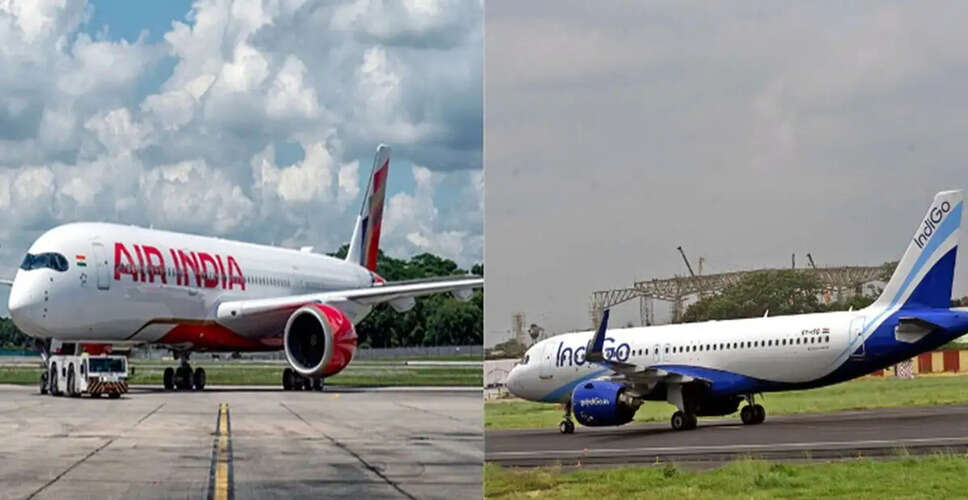

Flight Reductions by Major Airlines
Air India and IndiGo are set to decrease their domestic flight operations between June and August 2026 due to the soaring prices of aviation turbine fuel (ATF), which are impacting airline operations and financial viability. Air India plans to cut its domestic flights by up to 22% during this period, while IndiGo aims for a reduction of 5-7% in domestic capacity. Additionally, IndiGo has also announced a 17% decrease in its international capacity.
Air India's Strategic Adjustments
On Wednesday, Air India announced that it would temporarily streamline operations on certain domestic routes by reducing the number of flights. This decision follows a previous announcement regarding cuts to select international services during the same three-month timeframe. According to a statement from the airline, these adjustments are a response to the ongoing impact of high fuel prices on overall operations.
Impact of Global Oil Prices
The recent escalation of tensions in the Middle East, particularly following the conflict between the United States and Iran, has led to a more than 50% increase in Brent crude oil prices over the past three months. Concerns about prolonged supply disruptions in the region have kept energy markets under pressure. Furthermore, global oil supply has been affected by disruptions around the Strait of Hormuz, a critical route for oil transportation, resulting in significant increases in fuel and energy prices worldwide. Any interruptions in this route directly impact international energy markets.