
Air India Pilots Report Sick Leave Spike After Tragic Crash: What You Need to Know
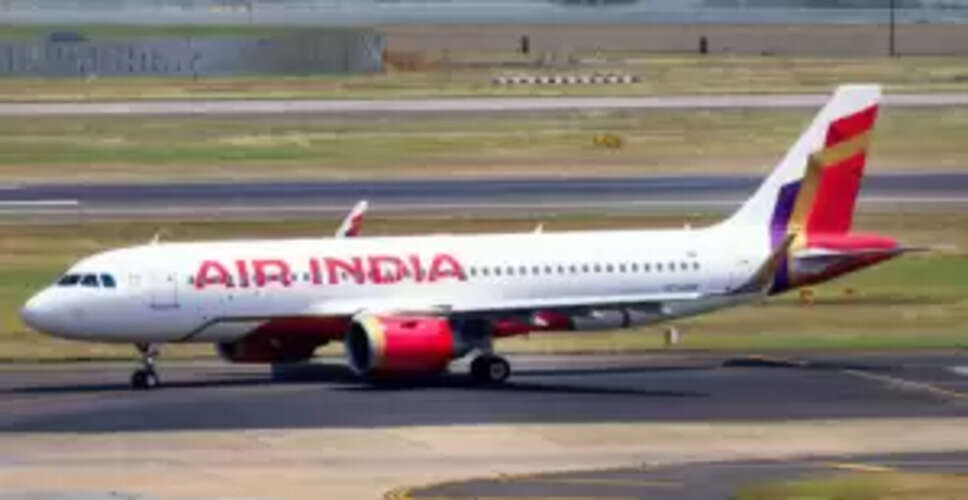
Air India Faces Pilot Sick Leave Surge Post-Crash
New Delhi: Following the tragic plane crash in Ahmedabad, Air India has reported a slight uptick in sick leave among its pilots. On June 16, a total of 112 pilots called in sick, as confirmed by government sources.
In response to a question raised in the Lok Sabha regarding potential mass sick leave among flight crew after the incident, Minister of State for Civil Aviation Murlidhar Mohol acknowledged the increase, noting that 51 commanders were among those who reported sick on that day.
The minister stated, "Air India has seen a minor rise in sick leave among pilots across its fleet following the AI-171 accident. On June 16, 2025, 112 pilots, including 51 Commanders (P1) and 61 First Officers (P2), reported sick."
The incident involved a Boeing 787-8 aircraft operating flight AI 171, which tragically crashed into a building shortly after departing from Ahmedabad on June 12. The accident resulted in the loss of 260 lives, including 241 passengers aboard and 19 individuals on the ground, with only one passenger surviving.
In light of mental health concerns, the Directorate General of Civil Aviation (DGCA) issued a medical circular in February 2023, recommending airlines implement tailored training for flight crews and Air Traffic Controllers (ATCOs) to address mental health challenges.
Mohol further elaborated on the need for a Peer Support Programme (PSP) to assist employees in recognizing and managing mental health issues, emphasizing the importance of a supportive and non-punitive environment.
Additionally, the minister indicated that there is currently no specific policy from the civil aviation ministry regarding compensation for civilians affected by plane crashes.