
Air India Flight Returns Amid Escalating Tensions in the Middle East
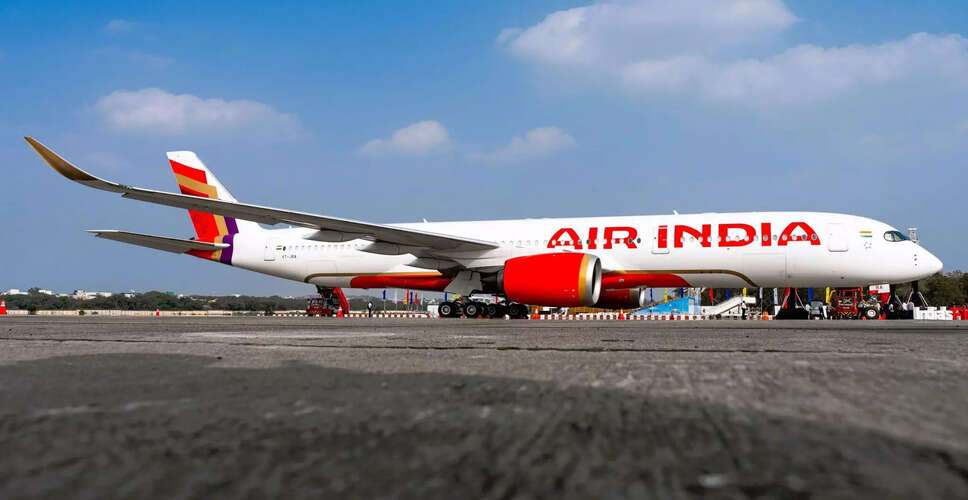
Air India Flight Disrupted by Israeli Strikes
On Saturday, Air India's flight from Delhi to Tel Aviv had to turn back to the capital following Israel's announcement of 'preventive' military actions against Iran, which led to the closure of airspace in several Middle Eastern regions and affected numerous international flights.
Israel's Defence Minister confirmed the military action, with reports of significant explosions in Tehran. Local news outlets indicated that multiple missiles hit areas near University Street and the Jomhouri district.
Thick smoke was observed rising from the vicinity of Pasteur Street, where important government buildings are located. The full extent of the damage and any casualties remains unclear.
In response to the situation, IndiGo, a budget airline, issued a statement indicating that it is monitoring developments closely. The airline emphasized that the safety of its passengers and crew is its top priority.
The Israel Defense Forces (IDF) announced via social media that air raid sirens were activated throughout Israel, and alerts were sent to residents' mobile devices, advising them to stay near secure areas.
This precautionary measure was taken due to the potential threat of missile attacks targeting Israel.
As a precaution, Israel has mandated the closure of schools nationwide, encouraged remote work, and prohibited public gatherings.
Following the strikes, several neighboring countries restricted or closed their airspace, impacting international flight operations significantly.
Airlines were forced to reroute flights destined for Tel Aviv and other regional locations.
According to flight tracking service Flightradar24, these airspace restrictions affected many airlines. For instance, flight FZ984 from Kazan to Dubai was redirected to Baku, while AI126 from Chicago to Delhi flew over Syria.
Additionally, G9950 from Sharjah to Moscow was rerouted over Pakistan, and EK225 from Dubai to San Francisco navigated over Afghanistan and Pakistan to avoid restricted airspace.
These events unfold during a delicate diplomatic period, as tensions between the United States and Iran escalate over a potential nuclear deal.
Recently, US President Donald Trump characterized Iran as 'very difficult' and 'very dangerous.' A third round of negotiations between Iranian and US representatives took place in Geneva on Thursday, with another session planned for later on Saturday.