
Air India Flight Diverted After Tail Strike During Landing

Incident Overview
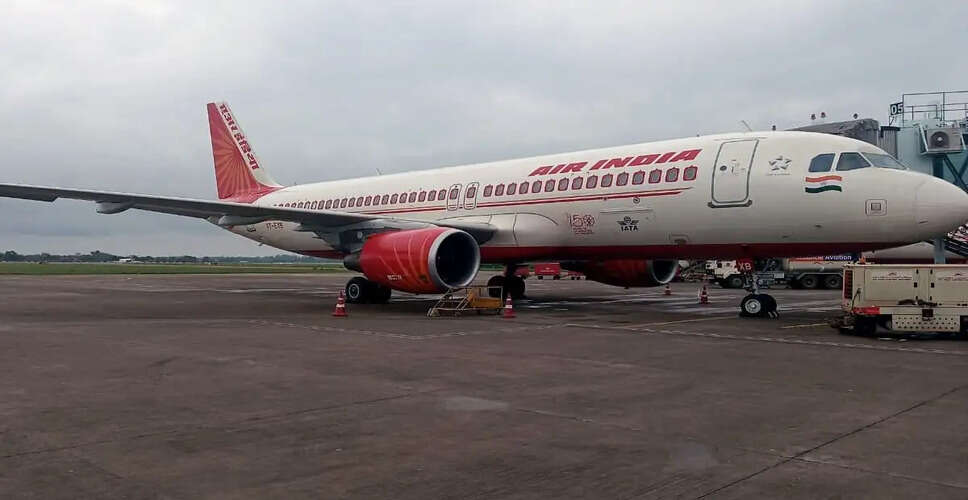
On Thursday, May 21, an Air India flight traveling from Delhi to Bengaluru was halted due to a tail strike during landing. The airline confirmed that all passengers and crew members onboard, totaling 179 individuals, were unharmed and disembarked safely. The rear section of the aircraft unexpectedly made contact with the runway, causing a momentary scare among the passengers.
Investigation and Flight Cancellation
Air India stated that the incident will be investigated in coordination with the relevant regulatory authorities. Following the incident, the return flight AI2652 from Bengaluru to Delhi was canceled. The airline is working to arrange alternative travel for affected passengers as quickly as possible. A spokesperson mentioned that ground teams in Bengaluru are providing all necessary assistance and expressed regret for the inconvenience caused, emphasizing that the safety of passengers and staff is their top priority.
Understanding Tail Strikes
According to the International Air Transport Association, a tail strike occurs when the tail of an aircraft contacts the runway during takeoff, landing, or go-around maneuvers. This can lead to loss of control (LOC) and runway excursions (RE). While the risk of injury is generally low, such incidents can cause significant damage to the aircraft, increase repair costs, extend downtime, and affect maintenance capabilities, ultimately leading to revenue loss.