
Afghan Allies in Limbo: Can They Safely Return Home Amid Ongoing Uncertainty?
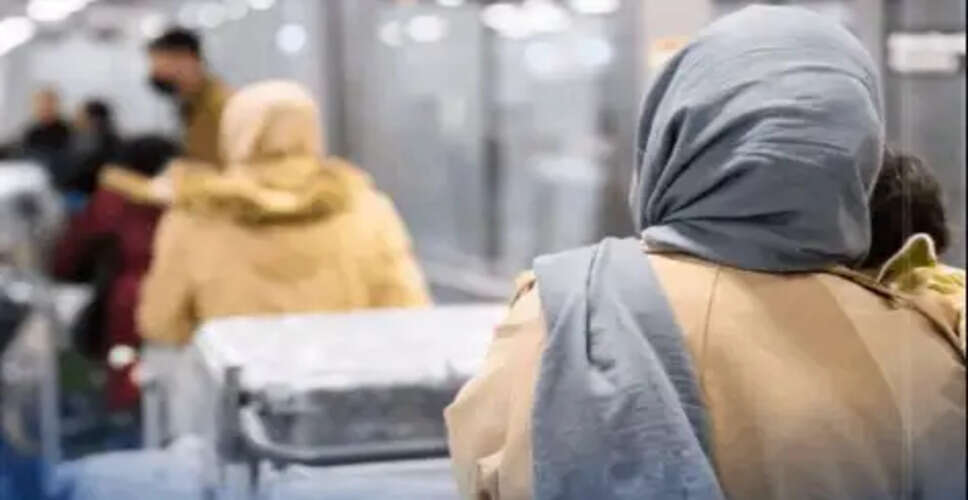

Afghanistan's Foreign Ministry Addresses Afghan Allies
Kabul: The Afghan foreign ministry has announced that those who assisted the U.S. during its military operations can return to Afghanistan safely, according to a statement from spokesman Abdul Qahar Balkhi.
This announcement follows reports indicating that the Trump administration is considering relocating 1,100 Afghans who aided U.S. efforts, along with family members of American service personnel, to the Democratic Republic of Congo.
The #AfghanEvac organization, which advocates for Afghan resettlement, revealed that U.S. officials have discussed the potential transfer of these refugees, who have been residing at Camp As-Sayliyah, a U.S. military base in Doha, for over a year.
While the State Department is exploring options for voluntary resettlement in a third country, it has not confirmed specific nations involved in these discussions.
However, returning to Afghanistan poses significant risks for these individuals, as they fear retaliation or even death from the Taliban, who regained control following the chaotic withdrawal of U.S. forces in 2021.
Balkhi emphasized that Afghanistan is the shared homeland of all its citizens, inviting those affected to return with confidence and peace of mind. He also mentioned that those wishing to travel elsewhere can do so through legal and dignified means.
In a joint statement from the #AfghanEvac group, the Afghans at Camp As-Sayliyah expressed their frustration over the lack of communication from U.S. officials regarding their potential relocation, stating they learned about it through media reports. They described their prolonged uncertainty as severely impacting their mental health.
Many expressed their unwillingness to relocate to the Democratic Republic of Congo, citing ongoing conflicts in that country. They stated, 'We have endured enough wars and cannot subject our children to another one.'
The DRC has faced decades of violence between government forces and rebels backed by Rwanda in its eastern regions.
The group also reiterated that returning to Afghanistan is not a viable option, as they believe the Taliban would target them for their previous collaboration with the U.S. They asserted, 'This is not merely a fear; it is a reality that the United States is aware of, as they are the reason we cannot return home.'
These discussions about relocation were first reported by a major news outlet, occurring over a year after President Trump halted the Afghan resettlement program initiated by his predecessor, which stranded thousands of refugees worldwide, including at the base in Qatar.