
Addressing Illegal Immigration: A Complex Challenge for India
The Ongoing Debate on Illegal Immigration in India
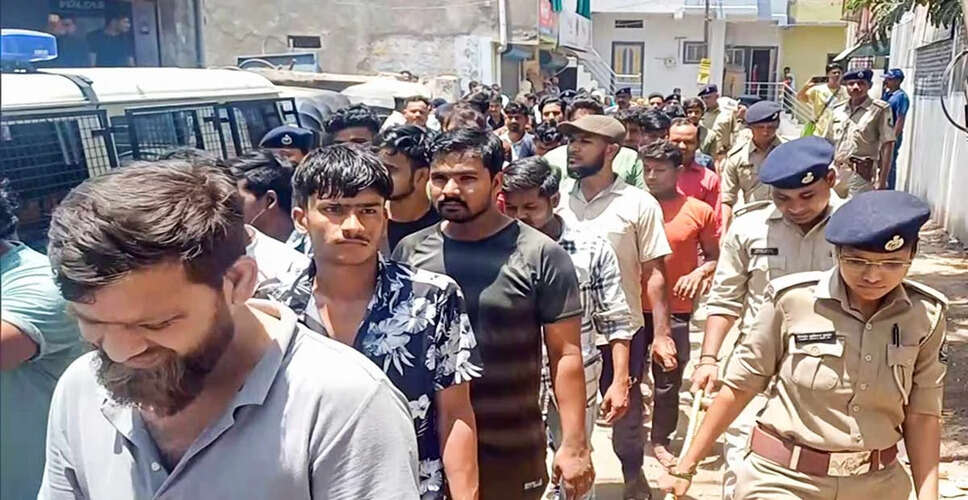
The issue of illegal immigration has long been a focal point in India's national politics, security, and social dynamics. Experts attribute the persistent illegal crossings from the northeastern and eastern borders to administrative failures, inadequate border management, and corruption. Recently, this debate has intensified as reports emerged from several states indicating that illegal migrants are returning towards the border with their belongings following the initiation of a Special Intensive Review (SIR) of voter lists.
Political Reactions and Underlying Issues
While some political parties have framed this situation as a 'victory,' the fundamental question remains: is SIR the sole solution to tackle illegal immigration? It is essential to recognize that immigration is not a natural disaster but rather a consequence of longstanding institutional and administrative weaknesses. Furthermore, the failure to classify corruption as a serious crime exacerbates the issue. Experts argue that to effectively curb illegal immigration, robust border management, stringent laws, and decisive action against corruption are necessary; otherwise, all efforts will merely amount to political noise.
Concerns Over Election Process and Human Impact
Amidst this discussion, another alarming issue has surfaced—suicides among Booth Level Officers (BLOs). The opposition claims that the pressure from SIR, administrative burdens, and the functioning of the Election Commission have led to an increase in such incidents. This raises critical questions about the transparency of the electoral process and the human aspects involved.
Rising Activity at the Borders
In recent days, numerous individuals have been spotted heading towards Bangladesh from the bordering areas of Hakimpur and North 24 Parganas in West Bengal, carrying small bags and children, further escalating the political temperature. According to BSF officials, over 1,700 people have crossed the border since early November, with reports of 150 to 200 individuals returning daily. Local residents claim that this activity has intensified since the commencement of SIR.
Political Narratives and Accusations
The BJP is asserting that this situation validates their long-standing claims that illegal immigration has altered the state's demographics and electoral calculations. BJP leader Samik Bhattacharya stated, 'SIR has shaken the immigrants. They are returning out of fear.' The party argues that the removal of thousands of fake names from the voter list strengthens their allegations.
Counterclaims from the Trinamool Congress
Conversely, the Trinamool Congress (TMC) dismisses this as a politically motivated spectacle. TMC leaders allege that ahead of the 2026 assembly elections, the BJP and certain agencies are collaborating to create a narrative that legitimizes and politically exploits the SIR process. TMC spokespersons have also questioned why no arrests have been made if these individuals were indeed illegal migrants and where the actions against brokers are.
The Need for a Comprehensive Approach
The mutual accusations have transformed border checkpoints into a kind of 'ideological battleground,' where visuals often hold more significance than numbers, as images and symbols can impact political discourse more rapidly than facts. However, the path to resolution lies not in political noise but in policy and administration. The issue of illegal immigration is not merely an electoral concern but a test of national security, social balance, and administrative capability. While SIR may serve as a tool, it is not the solution. The real need is for technology-based monitoring at borders, stringent legal actions against corruption, solid diplomatic cooperation with neighboring countries, and an accountable local administrative framework. Until the root causes of corruption are addressed, the cycle of immigration, politics, and accusations will persist, leaving the problems unresolved.