
ADB Withdraws $434 Million Loan for Karbi Anglong Solar Project Amid Protests
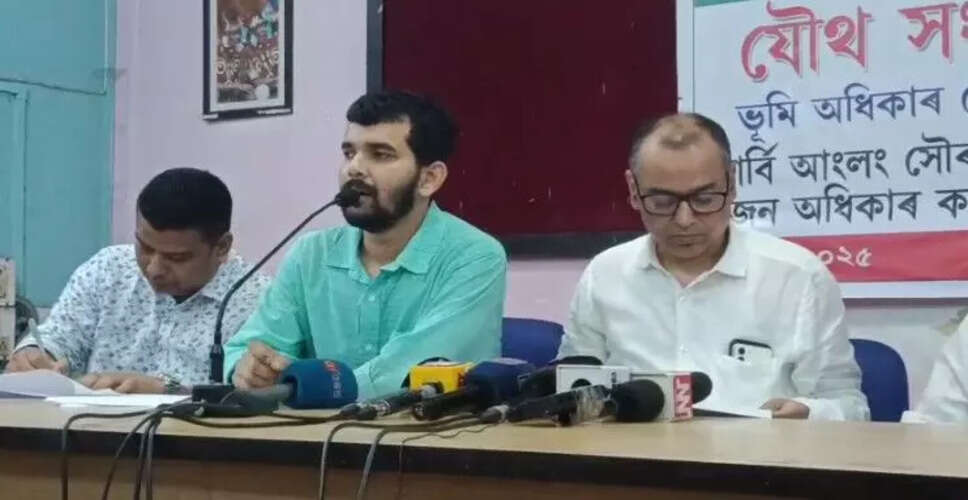
ADB Cancels Loan for Solar Power Initiative
Guwahati, June 4: The Asian Development Bank (ADB) has decided to cancel a proposed loan of $434 million intended for the Karbi Anglong solar power project in Assam. This decision follows ongoing protests and serious concerns regarding land rights, displacement, and environmental issues.
This announcement was made during a press conference at the Guwahati Press Club, featuring representatives from the Joint Land Struggles Committee and the Karbi Anglong Solar Power Project Affected People’s Rights Committee, both of which have been leading the protests.
Protest leaders indicated that the ADB's withdrawal was influenced by photographic evidence and drone footage presented during a meeting in Milan, Italy, which contradicted the state government's assertions about the project site.
“The government informed ADB that the area was barren and had a low population, claiming only 1,000–1,400 individuals would be displaced. In truth, nearly 20,000 people—including indigenous Karbis, Rengma Nagas, Nepalis, Assamese, and Adivasis—faced potential eviction,” stated Santanu Borthakur, an advocate at the Gauhati High Court.
Activist Pranab Doley emphasized that the proposed site is part of an elephant corridor, raising significant ecological concerns that were communicated to the ADB.
Despite the state government's assurances of development and job creation through the solar project, protesters remain doubtful.
“Existing departments under the Karbi Anglong Autonomous Council (KAAC) are already tasked with local employment. However, in past hiring, only 62 out of 1,345 positions were filled by tribal individuals. The promise of job creation seems like a facade—they are attempting to seize our land covertly,” remarked Bikram Hanse from the People’s Rights Committee.
Doley also highlighted the potential long-term financial repercussions had the loan been approved.
“The project would not only have harmed the environment and displaced thousands but would have also imposed a debt burden on future generations,” he warned.
The groups have accused KAAC chief executive member Tuliram Ronghang of breaching the Sixth Schedule of the Constitution by allocating tribal land to an external entity, advocating instead for sustainable development that honors indigenous rights.
“We are not opposed to development—we oppose destruction,” Doley stated, calling on the government to reconsider its strategies for growth and investment in tribal areas.
The government has yet to issue a response regarding this development.