
Achyutanand Mishra: A Pillar of Indian Journalism and Education

A Multifaceted Personality
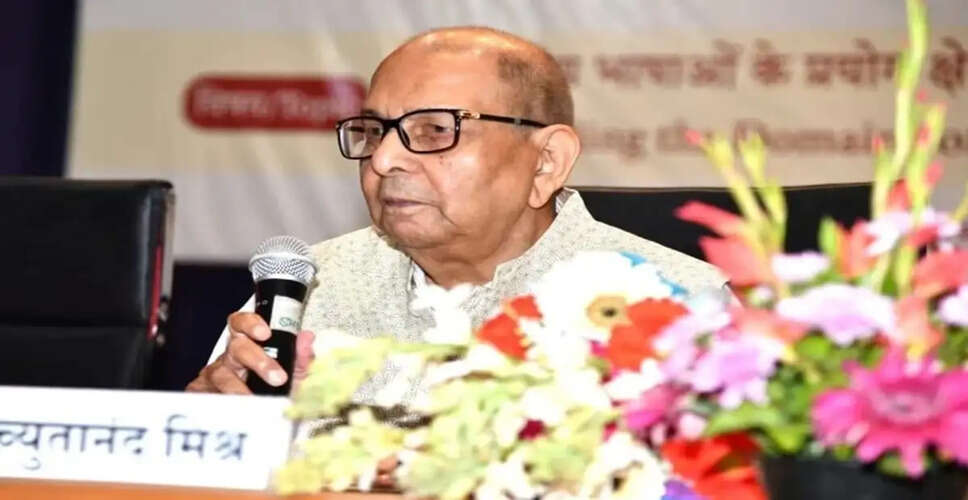
Achyutanand Mishra, a significant figure in contemporary journalism, embodies various roles such as editor, writer, educator, organizer, and social activist. Even at the age of 91, he remains actively engaged. Recently, he delivered a crucial lecture at the Makhanlal Chaturvedi National University of Journalism and Communication. Each aspect of his persona not only reflects completeness but also fosters connections among people. His presence suggests that he has transcended the common vulnerabilities of humanity, creating a world devoid of animosity and division, filled with respect, love, and a spirit of giving.
A Legacy of Leadership
Born on December 2, 1937, in a village in Ghazipur, Mishra has led the struggles of journalists while empowering organizations. As the Vice-Chancellor of the Makhanlal Chaturvedi University, he has pioneered new dimensions in journalism education and research. His research project on journalism in independent India sets a benchmark for future generations, paving the way for new paths. Those who know him can attest to his remarkable ability to connect with diverse individuals, from political leaders to ordinary journalists and students.
A Man of Integrity
Mishra's popularity spans all age groups, and his life reflects a purity akin to his attire. This broad appeal stems from his authenticity and honest relationships. His willingness to assist others showcases his sensitivity, while his integrity affirms his genuine character. In a world often marked by deceit, he stands out as a true individual, creating space in the hearts and lives of many through his graciousness. Despite managing diabetes, he is known for offering sweets to others, embodying hospitality and warmth.
A Mentor and Guide
Having served as my university's Vice-Chancellor, Mishra has been more than just an administrator; he is a parental figure in my life. Before joining the university, I had the opportunity to hear him speak at events in Raipur and was familiar with his work through the newspaper Janata, where he was a prominent figure. His deep empathy and nurturing nature have always aimed at resolving individuals' concerns. As an administrator, he embodies simplicity and democratic values, ensuring that the university achieved academic excellence during his tenure.
Building a National Identity
Under his leadership, the university connected with journalists, editors, and researchers nationwide through a significant research initiative. This project, entrusted to the esteemed Vijaydatt Shridhar, founder of the Madhav Rao Sapre Newspaper Museum, greatly benefited from his editorial expertise. Numerous distinguished events brought some of the country's finest intellectuals to the university, helping it establish a national identity.
Inspiring Future Generations
Mishra's personal connections and generosity have played a crucial role in this achievement. His leadership demonstrates how an institution can gain direction and national recognition. In a time when mediocrity prevails, figures like him inspire us. Literary figure Kailashchandra Pant notes that Mishra has long upheld the dignity of the Hindi language and journalism through intellectual struggle. His recent book, 'The Contribution of Three Great Poets to Hindi Journalism,' highlights the intertwining of literature and journalism in fulfilling societal needs.
A Beacon of Hope
Mishra's writings, including 'Some Dreams, Some Memories,' address pressing contemporary issues and reflect his intellectual contributions. His essays open new avenues for understanding journalism, emphasizing the importance of language and the remembrance of great leaders who can guide us today. His work instills hope and enthusiasm, connecting us to tradition and instilling a sense of responsibility. Through his profound positivity and cultural values, he engages in public education.
A Lasting Influence
The presence of leaders like Achyutanand Mishra reassures us that not everything is lost. He nurtures relationships and fosters connections with intellectuals and artists in every city he visits. He teaches editors the importance of inclusivity and appreciation for the arts. Thus, his existence is not merely a celebration but a profound responsibility. He imparts lessons through actions rather than words, urging us to carry forward the legacy of sensitivity and dedication to language and journalism.