
Aam Aadmi Party Proposes Stricter Penalties for Religious Sacrilege
Introduction of the Private Member's Bill
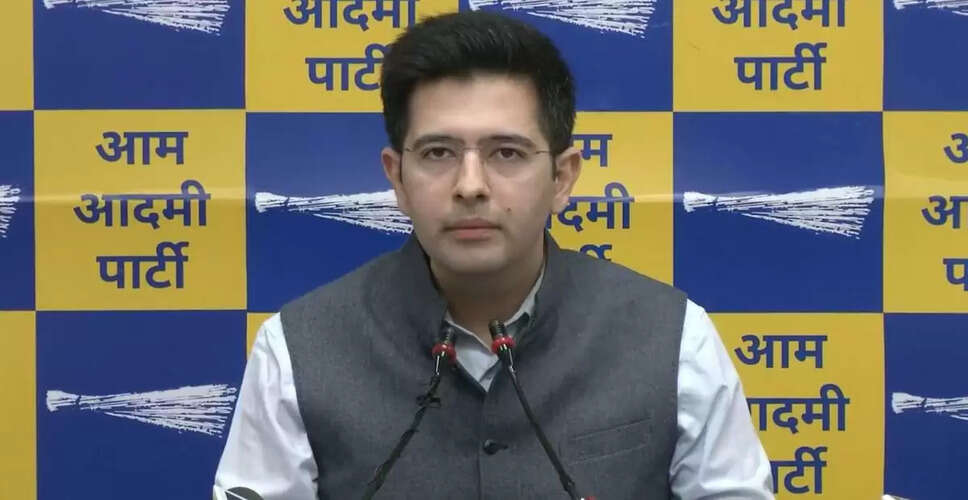
On Friday, Raghav Chadha, a Member of Parliament from the Aam Aadmi Party, presented a private member’s bill in Parliament aimed at instituting severe penalties for sacrilegious acts against sacred texts, including the Guru Granth Sahib, Bhagavad Gita, Bible, and Quran.
Private member’s bills are proposed independently by MPs without government backing.
During his address in the Rajya Sabha, Chadha explained that his legislation seeks to amend the Bharatiya Nyaya Sanhita, making sacrilege against religious scriptures a serious offense punishable by the harshest penalties.
I Introduced a Private Member’s Bill in Parliament to provide for maximum punishment for sacrilege to Sri Guru Granth Sahib ji, Bhagwat Gita, Holy Quran and Holy Bible.
— Raghav Chadha (@raghav_chadha) December 5, 2025
This bill proposes to amend the Bharatiya Nyaya Sanhita, 2023 to make such cases of sacrilege a crime… pic.twitter.com/lpwJaI2lQi
Background and Context
Chadha noted that Punjab has experienced numerous sacrilege incidents, mentioning that the state Assembly had previously passed a similar bill in 2018, which proposed life imprisonment for such offenses.
However, that legislation was returned by the president. He further stated, “Recently, the Punjab Assembly has introduced a new bill that suggests a maximum sentence ranging from 10 years to life for sacrilege cases.”
In July, the Punjab government introduced the 2025 Punjab Prevention of Offences Against Holy Scripture(s) Bill in the state Assembly.
This bill proposes life imprisonment along with a fine of up to Rs 10 lakh for acts of sacrilege against religious texts.
The proposed legislation has been sent to a select committee for discussions with relevant stakeholders.
Criticism of the Bill
Critics argue that the bill poses a significant threat to constitutional principles, asserting that it contradicts the essence of a secular state. They contend that the legislation represents a regressive step that could infringe upon freedom of expression.
Also read: Punjab’s anti-sacrilege bill goes against secular polity, say former bureaucrats