
7 Effective Ways to Reduce Your Electricity Bill This Summer
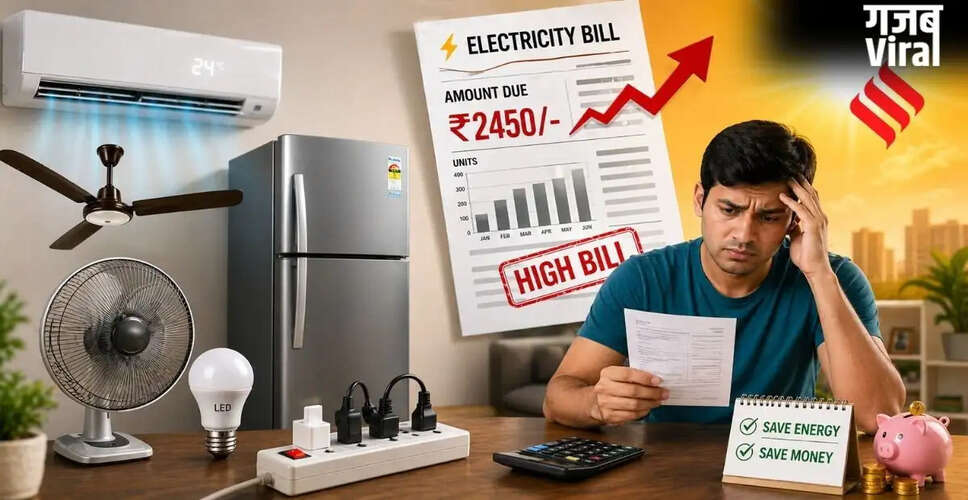

Smart Strategies to Lower Electricity Costs
As summer approaches, the use of electronic devices like air conditioners, coolers, fans, and refrigerators significantly increases in homes. These appliances become essential for comfort amidst the scorching heat and rising temperatures. While air conditioners and coolers provide much-needed relief, fans run continuously, and refrigerators are used more frequently to keep food fresh and provide cold water. However, the increased usage of these devices directly impacts our electricity bills.
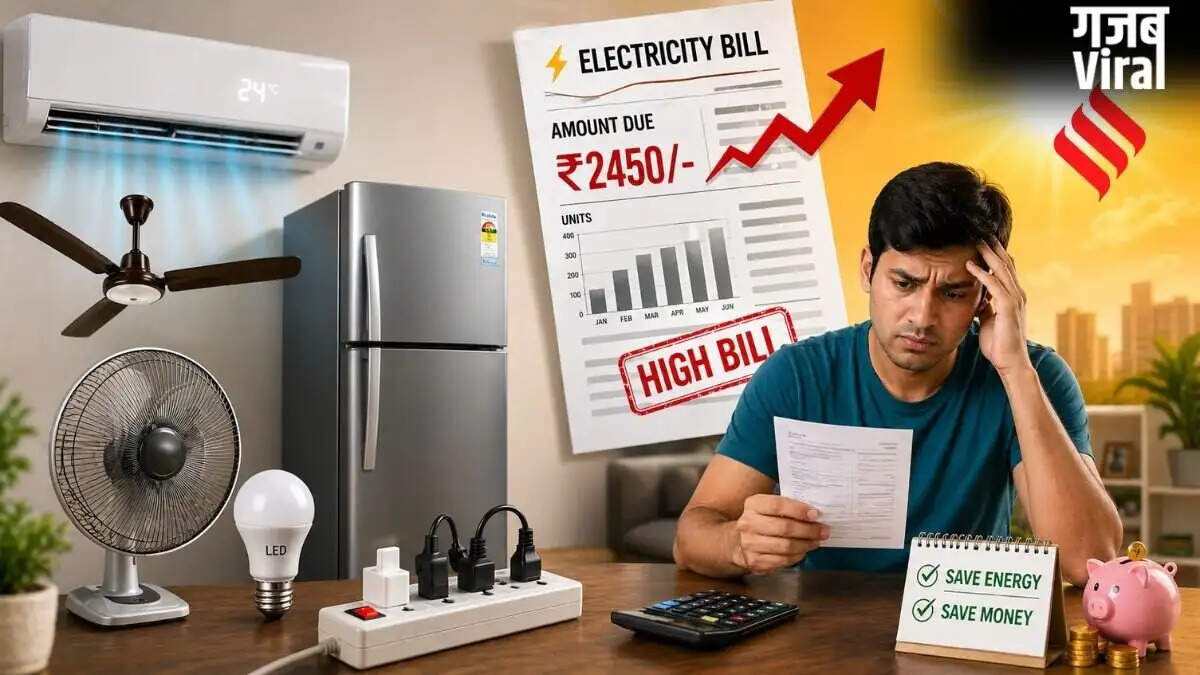
During the summer months, electricity bills often soar beyond normal levels, sometimes disrupting household budgets. Therefore, it becomes crucial to use these appliances wisely to maintain comfort while keeping costs down. By making a few small changes in habits, you can effectively reduce your electricity bill. Here are some tips:
1. Choose Energy-Efficient Air Conditioners
Air conditioners are heavily relied upon during the summer, making them a primary contributor to increased electricity bills. Selecting the right AC is essential. Opt for a 5-star rated inverter AC, which adjusts its cooling based on room temperature, preventing the compressor from frequently turning on and off. This feature reduces electricity consumption and lowers your bill. Although inverter ACs may have a higher upfront cost, they prove to be more economical in the long run.
2. Set the Right Temperature
Many people set their ACs to extremely low temperatures for maximum cooling, which leads to higher electricity usage. The ideal temperature range is between 24-26 degrees Celsius, providing sufficient cooling while minimizing energy consumption. Ensure that the room is well-sealed to retain cool air and reduce the workload on the AC. Regularly clean the AC filters to enhance cooling efficiency and lower power usage.
3. Position Coolers Correctly
Coolers should be placed near windows or ventilated areas to allow fresh air to circulate, improving cooling efficiency. Keep the cooler pads and water tank clean to enhance performance and reduce the need for frequent operation. If you notice any unusual sounds or issues with the cooler, address them promptly, as even minor problems can lead to increased electricity consumption.
4. Use Fans Wisely
Dust accumulation on fan blades can hinder performance, causing them to consume more electricity. Regularly clean the blades to ensure optimal operation and energy efficiency.
5. Switch to Energy-Efficient Bulbs
The type of bulbs you use also affects electricity consumption. Replace old CFLs or incandescent bulbs with LED lights, which consume less power and provide better illumination while lasting longer.
6. Regular Maintenance of ACs and Coolers
When dust builds up in AC filters, the unit has to work harder, increasing electricity usage. Similarly, a malfunctioning cooler can also lead to inefficiencies. Regular servicing is essential to maintain clean filters and optimal gas levels, ensuring efficient cooling and reduced energy consumption.
7. Optimize Refrigerator Usage
Minimize the frequency of opening the refrigerator and avoid placing hot food directly inside, as this puts extra strain on the compressor and increases energy use. Keep the fridge slightly away from walls to allow heat to dissipate easily. Setting the correct temperature also helps save electricity. Instead of storing water in the fridge, consider using a clay pot, which naturally keeps water cool and is healthier.
By implementing these small changes, you can significantly reduce electricity consumption, easing the financial burden on your wallet.