
2026: A Pivotal Year for Modi Government and Indian Politics
Significance of 2026 for Indian Politics
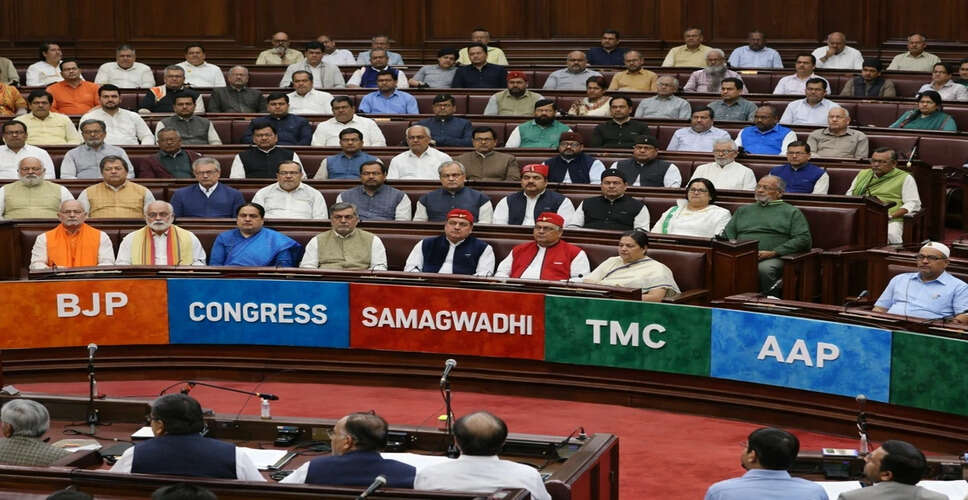
The year 2026 is poised to be crucial for the Modi administration and the landscape of Indian politics, as it may witness a shift in the balance of power within the Rajya Sabha. Several prominent leaders, including six ministers from the Modi government, will see their terms in the Rajya Sabha conclude at a time when speculations about significant cabinet reshuffles and political realignments are on the rise. The upcoming vacancies in states like Maharashtra, Uttar Pradesh, Bihar, and West Bengal will not only determine party strength but also test the capabilities of both the NDA and opposition alliances.
Completion of Terms for Six Ministers
In 2026, six ministers from the Modi government will complete their terms in the Rajya Sabha. This transition occurs amidst expectations of major changes within the government. Ramdas Athawale, representing Maharashtra, has been elected to the Rajya Sabha twice with BJP support, but his relationship with the NDA has recently soured. He has expressed dissatisfaction regarding seat-sharing in the upcoming BMC elections, indicating that several long-serving ministers may be replaced in a cabinet reshuffle.
Ten Seats Vacant from Uttar Pradesh
Uttar Pradesh will see ten Rajya Sabha seats become vacant, with the BJP currently holding eight of them. Among those whose terms end in November are Neeraj Shekhar, Dinesh Sharma, Hardeep Puri, BS Verma, Brij Lal, and Seema Dwivedi. Additionally, the terms of Ramgopal Yadav from the Samajwadi Party and Ramji Gautam from the BSP will also conclude in November. Given the BJP's standing in the state assembly, the party is likely to retain its eight seats, while the Samajwadi Party may secure two. The BSP, however, may find itself without any representation in the Rajya Sabha for the first time in nearly two decades.
Five Seats Vacant in Bihar
In Bihar, five Rajya Sabha seats will be vacated in April. The current members whose terms are ending include Prem Chand Gupta from the RJD, Union Minister Ramnath Thakur, Upendra Kushwaha from RLSP, and Harivansh Narayan from JDU. To win a seat in the 243-member assembly, a candidate requires the support of 41 legislators.
Situation in West Bengal
West Bengal will have elections for five seats, four of which are currently held by the TMC. The term of CPM's Bikas Ranjan Bhattacharya will also conclude in April. With elections anticipated in March-April, the assembly dynamics may shift, impacting these elections. Additionally, three Rajya Sabha members from Madhya Pradesh will also see their terms end.