
18th Habitat Film Festival Concludes with a Celebration of Indian Cinema
The 18th Habitat Film Festival, held from May 15 to 24, 2026, concluded with a remarkable showcase of over 79 films in 20 languages, attracting more than 10,000 attendees. The festival celebrated independent and regional cinema, featuring engaging discussions, masterclasses, and a commitment to inclusivity with works from numerous female filmmakers. Notable films included the Marathi feature 'Tigha' and retrospectives of classic cinema. This event not only highlighted diverse cinematic voices but also emerged as a vibrant cultural movement, reflecting the evolving landscape of Indian filmmaking.
| May 27, 2026, 17:36 IST
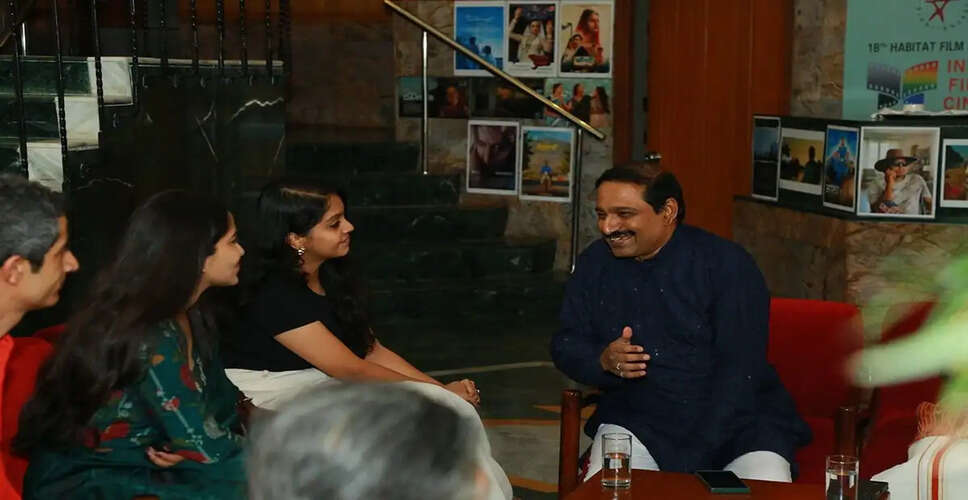

Conclusion of the 18th Habitat Film Festival
New Delhi: The 18th Habitat Film Festival wrapped up on May 24, 2026, after ten days of cinematic celebration at the India Habitat Centre, attracting over 10,000 attendees. The festival concluded with the acclaimed Marathi feature film 'Tigha'. This event has once again solidified its position as a leading platform for alternative, regional, and independent Indian narratives.
Director's Remarks on Festival Success
Reflecting on the festival's remarkable success, Professor (Dr.) K.G. Suresh, Director of the India Habitat Centre and Festival Director, stated, “Each edition of the Habitat Film Festival reaffirms our belief in cinema as a vibrant, living dialogue that connects generations, languages, and cultures. This year, we witnessed how compelling storytelling, whether from seasoned filmmakers or debut directors, can resonate, provoke thought, and unite audiences.”
Commitment to Diverse Cinematic Voices
As we conclude the 18th edition, we carry not only memories of outstanding films but also a renewed commitment to ensuring that every cinematic voice—regardless of its independence or regional roots—finds a home.
Cultural Significance of the Festival
The chief guest at the closing ceremony, Satish Namburipad, Director General of Doordarshan, remarked, “The Habitat Film Festival serves as a vital cultural beacon, celebrating the languages, textures, and voices of Indian cinema that are often overlooked by mainstream cinema. It is heartening to see such a platform preserving our cinematic heritage while courageously providing space for emerging voices that are shaping the future of Indian filmmaking.”
Showcase of Diverse Films
Held from May 15 to 24, 2026, HFF 2026 showcased 79 films in 20 languages, including 45 feature films, 19 short films, and 15 documentaries. Notable classics included 'Umrao Jaan', dedicated to the artistry of Asha Bhosle, and 'Chupke Chupke', honoring the legacies of Dharmendra and Asrani. A retrospective of Ritwik Ghatak featured films such as 'Meghe Dhaka Tara', 'Komal Gandhar', 'Suvarna Rekha', and 'Jukti Takko Aar Gappo'.
Spotlight on Emerging Voices
The contemporary selection highlighted bold new voices through films like 'Moham', 'Porshi', 'Shavpetti', 'Kadaknath', and 'Tigha'. The festival showcased works from over 15 female filmmakers, reflecting its commitment to inclusivity. Engaging discussions with directors, cast members, and crew enriched the overall experience, complemented by masterclasses and talks that deepened the audience's understanding.
Educational Initiatives and Exhibitions
National award-winning filmmaker Kamakhya Narayan Singh conducted a masterclass titled “From Research to Reel: Crafting Feature Film Stories,” while animation filmmaker Dhvani Desai discussed “Animation Storytelling: India vis-à-vis the World” with critic Murtaza Ali Khan.
Archival Exhibition and Special Screenings
A joint archival exhibition with the Indira Gandhi National Centre for the Arts displayed Hindi film posters and vintage advertisements from the 1950s. The festival also featured a curated selection of short films and documentaries from the Film and Television Institute of India, a special package from the Indian Documentary Producers Association, films nominated by the Film Critics Guild, and short documentaries from the Public Service Broadcasting Trust.
A Cultural Movement Beyond a Film Festival
These elements presented intimate, independent, and deeply personal stories from across the country. HFF 2026 transcended being merely a film festival; it emerged as a vibrant cultural movement. It served as a space where cinema reflects the present, envisions the future, and brings together students, critics, filmmakers, and cinephiles to celebrate India's ever-expanding cinematic landscape.