
Winter Wellness: The Health Benefits of Bajra (Pearl Millet)
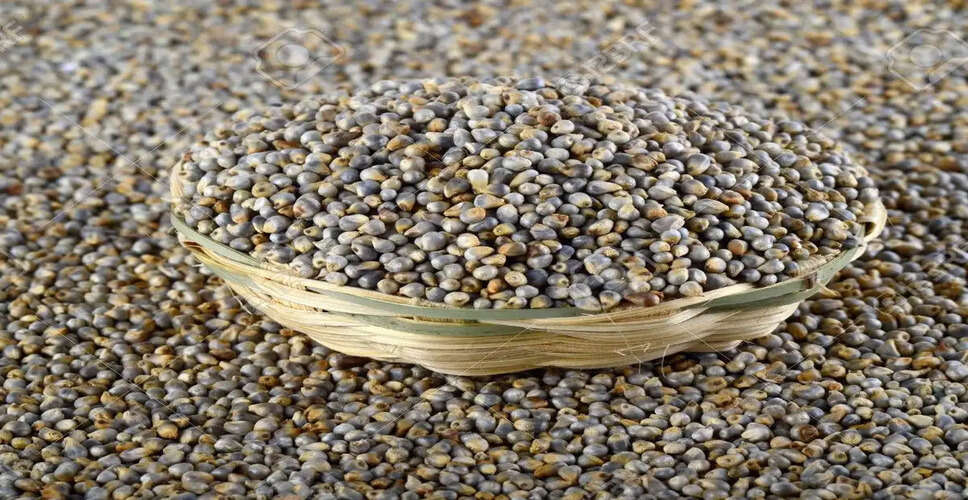

Health Benefits of Eating Bajra (Pearl Millet) in Winter
As winter sets in, our eating habits often shift to accommodate the colder weather. It's essential to choose nutrient-dense foods that help keep us warm and healthy. One such food is *bajra*, commonly known as pearl millet, which is celebrated as a "winter superfood." This grain not only provides energy but is also rich in fiber, protein, iron, magnesium, and other vital nutrients that contribute to various health benefits.
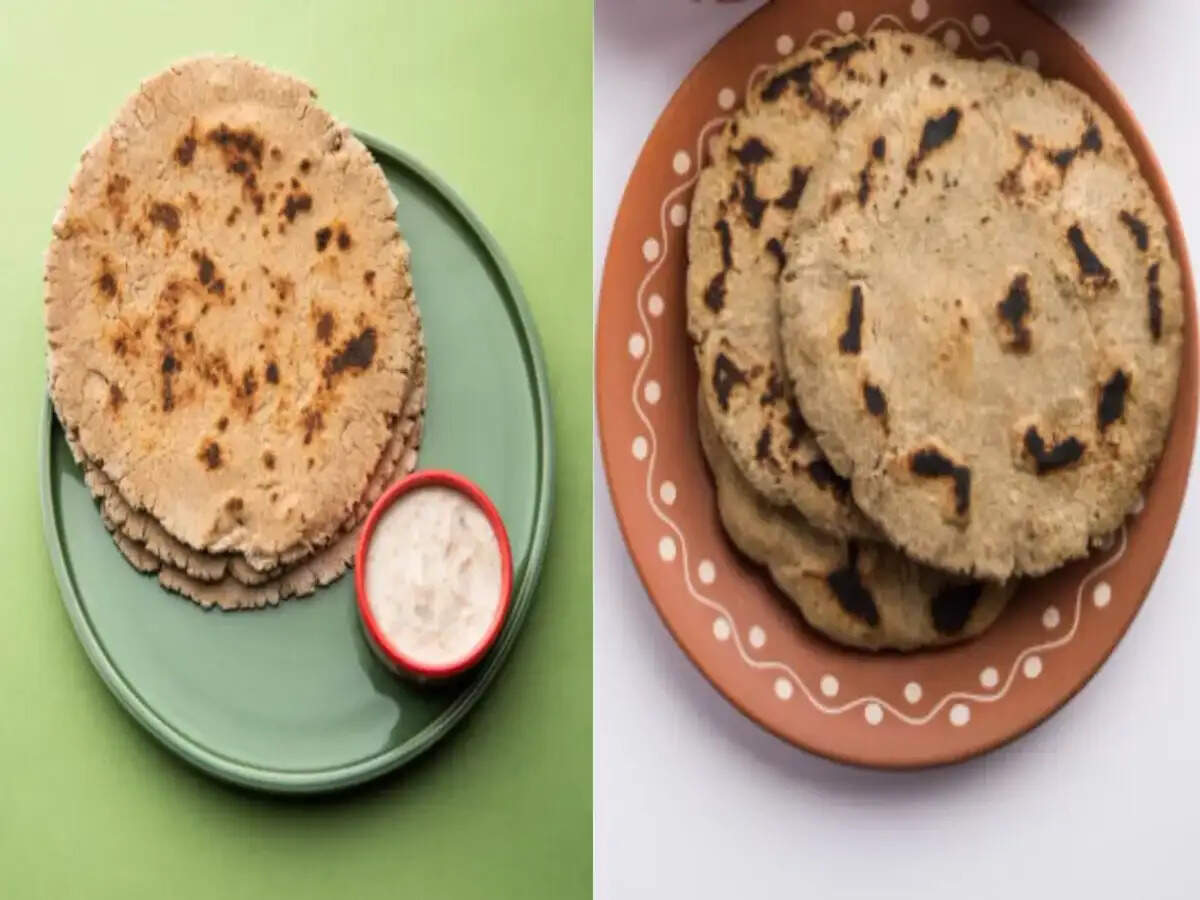
Nutritionists highly recommend adding *bajra* to your winter meals. You can easily include it in dishes like *bajra* rotis (flatbreads), *khichdi*, and *daliya* (porridge). But what exactly makes *bajra* so beneficial during the winter months? Let’s delve into its key health advantages.
Key Benefits of Consuming Bajra in Winter
Helps Keep the Body Warm
Traditionally, *bajra* has been a staple in winter diets due to its warming properties. The carbohydrates and nutrients it contains provide essential energy, making *bajra* rotis or *khichdi* an excellent addition to your winter meals.
Supports a Healthy Digestive System
Rich in dietary fiber, *bajra* promotes a healthy digestive system and helps prevent constipation. If you often face digestive troubles in winter, adding a moderate amount of *bajra* to your diet can be advantageous.
Aids in Weight Management
For those worried about winter weight gain, *bajra* is an excellent choice. Its high fiber content keeps you feeling full longer, reducing the likelihood of frequent snacking.
Beneficial for Heart Health
With essential nutrients like magnesium and fiber, *bajra* supports heart and muscle function. A fiber-rich diet can also help maintain healthy cholesterol levels.
Nourishes the Bones
Pearl millet is a source of minerals such as phosphorus and magnesium, crucial for bone strength and integrity. Including it in your winter diet can provide necessary nutrients for bone health.
Helps Address Iron Deficiency
As a good plant-based iron source, *bajra* is vital for hemoglobin production, which carries oxygen in the blood. However, to enhance iron absorption, it’s beneficial to consume it with vitamin C-rich foods like lemon or amla (Indian gooseberry).
Who Should Exercise Caution When Consuming Pearl Millet?
People allergic to pearl millet should avoid it. If you have digestive issues, start with small amounts. Those with thyroid conditions should consume it in moderation and consult a healthcare professional. Patients with kidney disease should assess their intake based on specific dietary needs.
PC Social Media