
Why World Mangrove Day Matters: Protecting Our Coastal Lifelines
The Importance of Mangrove Ecosystems
World Mangrove Day, celebrated annually on July 26, emphasizes the crucial role that mangrove forests play in safeguarding coastlines, supporting biodiversity, and addressing climate change. These distinctive ecosystems thrive in tropical and subtropical regions where saltwater meets freshwater. Mangroves are resilient trees that flourish in tough conditions, securing themselves in soft, waterlogged soils and thriving in environments where few other plants can survive. Often referred to as 'nature’s buffer zones', they provide essential protection for coastal communities.
By absorbing wave energy, mangroves protect against storm surges, tsunamis, and erosion. Their intricate root systems trap sediments, contributing to land formation and acting as a natural barrier against rising sea levels. In addition to their protective functions, mangroves are rich in biodiversity. They serve as nurseries for numerous marine species, offer shelter for various birds and animals, and support the livelihoods of millions through fishing, tourism, and honey harvesting. Furthermore, they play a significant role in carbon storage, which is vital for climate regulation.
Despite their importance, mangroves face severe threats. Urban expansion, aquaculture, pollution, and deforestation have led to the loss of nearly half of the global mangrove cover in recent decades. This not only jeopardizes wildlife but also heightens the vulnerability of coastal communities.
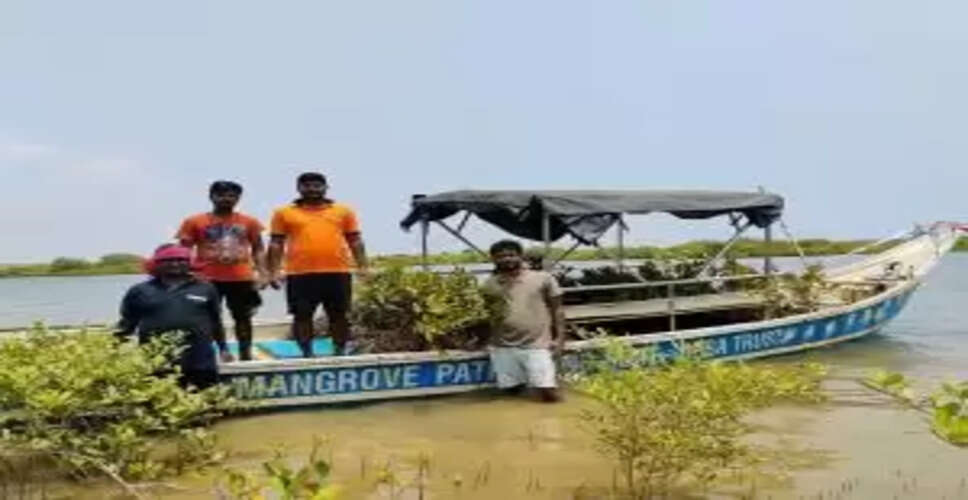
World Mangrove Day reminds us of the urgent need to conserve, restore, and sustainably manage these vital ecosystems. From community-led initiatives in Odisha’s coastal areas to reforestation projects in Indonesia, global efforts are proving that recovery is achievable. On this day, let’s acknowledge the quiet strength of mangroves and commit to protecting them through various actions—whether it’s joining a tree-planting initiative, advocating for policies that safeguard coastal habitats, or simply educating ourselves about these extraordinary trees. Mangroves are more than just trees; they are essential lifelines. Let’s support them as they support us.