
Veteran Actor Pradeep Rawat Passes Away: Understanding Blood Cancer

Pradeep Rawat's Passing
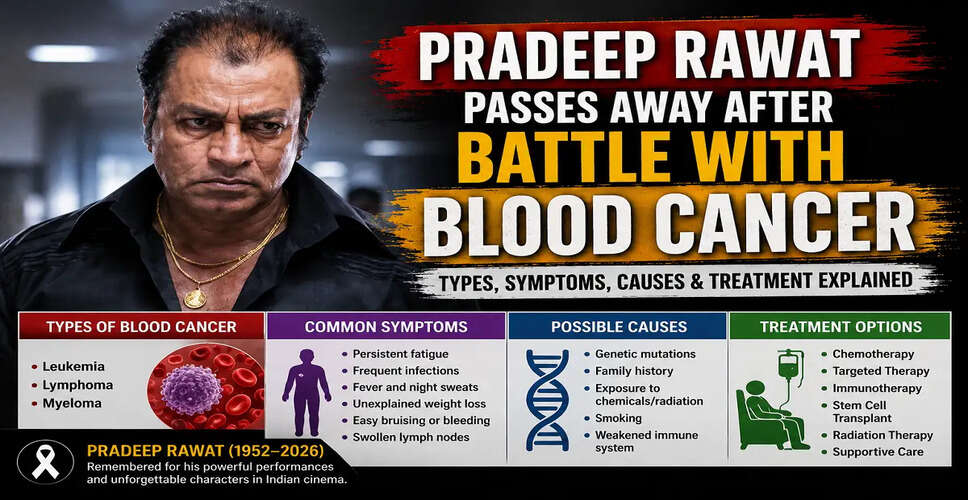
Pradeep Rawat Death: The renowned actor Pradeep Rawat, celebrated for his roles in films like Ghajini and Lagaan, died on Tuesday evening at the age of 74 after a lengthy struggle with blood cancer. His business manager revealed that he had been receiving treatment for nearly five years. Although he initially showed positive responses to the treatment, the illness recurred a few months ago, leading to a decline in his health in recent weeks.
In the wake of his passing, many individuals are seeking information about blood cancer, including its development, symptoms, treatment options, and potential for a cure.
Understanding Blood Cancer
What Is Blood Cancer?
Blood cancer encompasses a variety of cancers that impact blood cell production and function. Most types originate in the bone marrow, the soft tissue within bones responsible for producing stem cells.
These stem cells typically develop into:
- Red blood cells (RBCs): Responsible for transporting oxygen throughout the body.
- White blood cells (WBCs): Essential for fighting infections.
- Platelets: Crucial for blood clotting and preventing excessive bleeding.
When blood cancer occurs, abnormal blood cells proliferate uncontrollably, crowding out healthy cells and impairing the immune system, oxygen distribution, and blood clotting capabilities.
Types of Blood Cancer
Major Types of Blood Cancer
Blood cancer is primarily categorized into three main types.
1. Leukemia
Leukemia typically starts in the bone marrow, leading to an accelerated production of abnormal white blood cells that hinder the body's ability to combat infections and generate healthy blood cells.
2. Lymphoma
Lymphoma impacts the lymphatic system, a vital component of the immune system, and develops in lymphocytes, a type of white blood cell.
The two principal forms are:
- Hodgkin Lymphoma
- Non-Hodgkin Lymphoma
3. Multiple Myeloma
Multiple myeloma originates in the bone marrow and affects plasma cells, which are responsible for producing antibodies that protect the body from infections.
Additionally, rarer forms of blood cancer include Myeloproliferative Neoplasms (MPNs) and Myelodysplastic Syndromes (MDS).
Symptoms and Diagnosis
Common Symptoms of Blood Cancer
Symptoms can vary based on the type and stage of the disease, but common indicators include:
- Chronic fatigue or weakness
- Frequent infections
- Unexplained fever
- Swollen lymph nodes
- Shortness of breath
- Bone or joint pain
- Unexplained weight loss
- Excessive night sweats
- Enlarged liver or spleen
- Easy bruising
- Unusual bleeding
- Small red or purple spots on the skin (petechiae)
Since many of these symptoms can also be associated with other conditions, they do not definitively indicate blood cancer. Anyone experiencing persistent symptoms should seek medical advice rather than self-diagnosing.
Diagnosis of Blood Cancer
Doctors typically start by reviewing the patient's medical history and symptoms before suggesting diagnostic tests.
Common tests include:
Complete Blood Count (CBC)
A CBC assesses the levels of red blood cells, white blood cells, and platelets, aiding in the identification of abnormal blood cell counts.
Blood Chemistry Tests
These tests evaluate organ function and help identify abnormalities linked to blood disorders.
Imaging Tests
Depending on the patient's condition, doctors may recommend:
- CT Scan
- MRI Scan
- PET Scan
These imaging studies help ascertain whether the disease has spread.
Bone Marrow Biopsy
A bone marrow biopsy is a crucial diagnostic procedure for blood cancer, involving the collection of a small bone marrow sample for microscopic examination to identify abnormal blood-forming cells.
Genetic Testing
Specialized laboratory tests may reveal genetic mutations that assist in determining the specific type of blood cancer and inform treatment strategies.
Treatment and Prognosis
Treatment Options
Treatment approaches depend on various factors, including the type of blood cancer, its stage, the patient's age, and overall health.
Chemotherapy
Chemotherapy is one of the most widely used treatments, employing anti-cancer medications to eliminate or slow the growth of abnormal blood cells.
Radiation Therapy
This method uses high-energy radiation to target cancer cells, damaging their DNA and inhibiting their ability to multiply.
Immunotherapy
Immunotherapy enhances the body's immune system to recognize and attack cancer cells.
Examples include:
- Monoclonal antibody therapy
- CAR T-cell therapy
Targeted Therapy
Unlike traditional chemotherapy, targeted therapy focuses on specific genetic mutations or proteins that aid cancer cell survival.
Stem Cell Transplant
Some patients may require a stem cell transplant following high-dose chemotherapy.
The two primary types are:
- Autologous Stem Cell Transplant: Utilizes the patient's own healthy stem cells collected prior to treatment.
- Allogeneic Stem Cell Transplant: Involves stem cells donated by a compatible donor.
Can Blood Cancer Be Cured?
The prognosis varies based on the type of blood cancer and the timing of diagnosis.
Survival rates differ significantly among various blood cancers and are influenced by factors such as:
- Type of cancer
- Stage at diagnosis
- Patient's age
- Overall health
- Response to treatment
Recent advancements in targeted therapies, immunotherapy, and stem cell transplantation have enhanced treatment outcomes over the last decade.
Prevention and Conclusion
Can Blood Cancer Be Prevented?
While there is no foolproof method to prevent blood cancer, adopting a healthy lifestyle may help mitigate certain risk factors.
Preventive measures include:
- Avoiding smoking and tobacco exposure.
- Limiting exposure to harmful industrial chemicals when possible.
- Adhering to workplace safety protocols when handling hazardous substances.
- Seeking medical attention for persistent symptoms.
Final Thoughts
The death of veteran actor Pradeep Rawat has once again highlighted the seriousness of blood cancer, a condition that impacts millions globally. Although blood cancer is a complex illness, early detection, prompt medical intervention, and advancements in treatment have significantly improved outcomes for many patients.
Individuals experiencing ongoing symptoms such as unexplained fatigue, frequent infections, unusual bleeding, or prolonged fever should consult a qualified healthcare professional for appropriate evaluation rather than relying on assumptions or self-diagnosis.