
Vastu Shastra: Enhancing Your Home with Auspicious Paintings

Vastu Guidelines for Home Artwork
Vastu Guidelines for Home Artwork: In Vastu Shastra, the artwork displayed in your home serves more than just an aesthetic purpose; it plays a crucial role in shaping the energy flow within the space. It is believed that paintings featuring positive symbols, when positioned correctly, can cultivate an environment filled with joy, tranquility, abundance, and good luck. Certain images are deemed particularly auspicious according to Vastu principles. Notable examples include paintings of seven galloping horses, serene waterfalls, Lord Ganesha, majestic mountain scenes, and peacocks. Strategically placing these artworks in Vastu-compliant areas is thought to enhance positive energy and promote the well-being of the household. Let's delve into the importance of these five auspicious artworks as per Vastu Shastra.
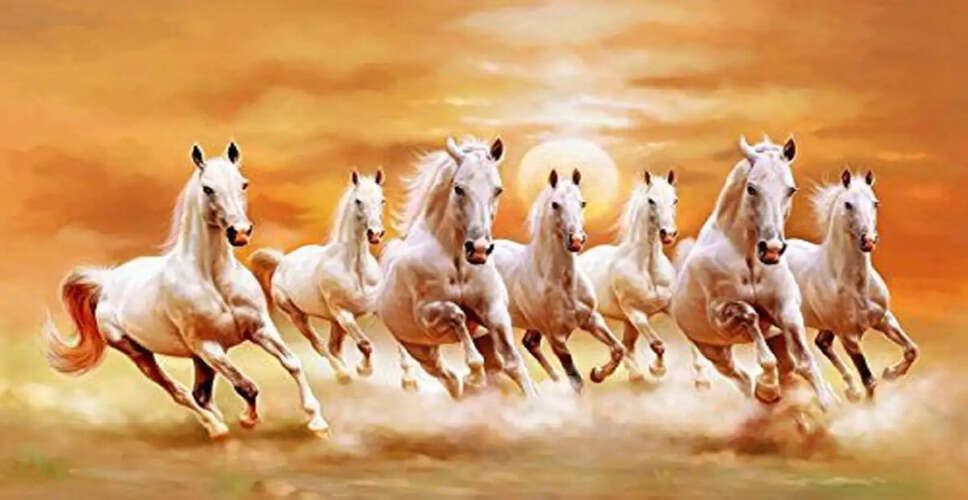
Seven Horses Painting
Seven Horses Painting
In Vastu Shastra, a painting featuring seven horses symbolizes success, wealth, and positive energy. These artworks often portray seven white horses racing across water or sand. It is considered highly beneficial to display this image in the eastern or southern parts of a home or office. Ensure that the horses appear to be running freely—without reins—across an open sky or field. In Vastu, horses represent speed, success, and strength; showcasing such an image is believed to bring balance, harmony, and determination to the lives of family members.
Waterfall Painting
Waterfall Painting
A waterfall painting is regarded as calming and can provide mental peace to those living in the home. It symbolizes the flow of energy and can facilitate new beginnings. These artworks typically depict water cascading from streams or lakes. It is best to hang this image on the north, east, or north-east wall of the house, ideally in the living room. It should be avoided in bedrooms, kitchens, or bathrooms.
Lord Ganesha Painting
Lord Ganesha Painting
Displaying a painting of Lord Ganesha is considered highly auspicious in Vastu Shastra. This image is believed to attract positive energy and help eliminate obstacles in the lives of family members. While many people keep a statue of Lord Ganesha at home, showcasing His image is also very beneficial. In the painting, His trunk should always curve to the left, and His face should be oriented towards the north or east; it is advised not to position His image facing south.
Mountain Picture
Mountain Picture
A mountain picture is ideal not only for those who appreciate high-altitude views but also for individuals seeking stability and security in their lives. It adds beauty to walls as well. This artwork can be placed in the south, south-west, north-east, or east areas of a home or office. A mountain picture is believed to enhance stability in various auspicious aspects of life, including career, business, wealth, reputation, and good fortune.
Peacock Picture
Peacock Picture
According to Vastu Shastra, displaying a peacock picture in the home is considered auspicious. It helps reduce tension and discord among family members and rectifies Vastu defects. Peacocks look stunning when depicted in pairs or groups and promote harmony within the household. It is advisable to hang this picture in the north or north-east direction of the house, preferably in a common area where family members gather.
Conclusion
PC Social Media