
Using Ceiling Fans During Seasonal Changes: What You Need to Know
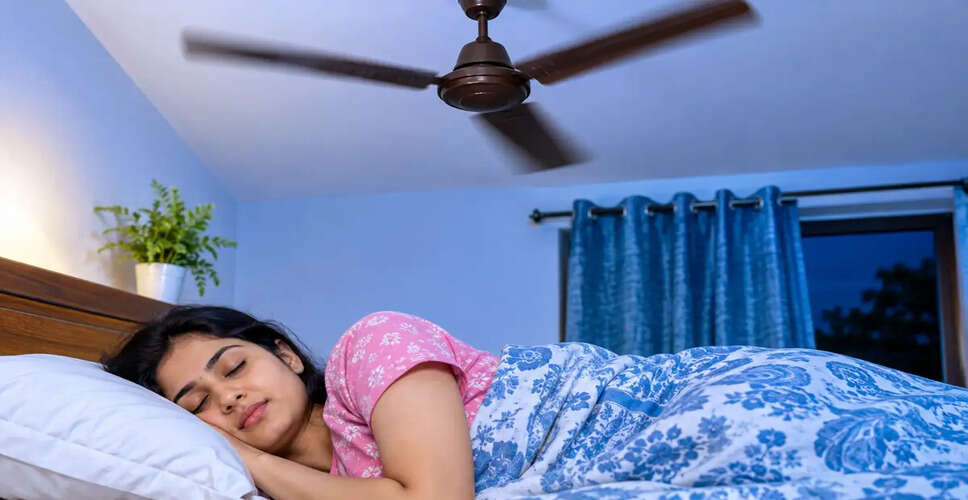

Should You Use a Ceiling Fan During Seasonal Changes?
During periods of fluctuating weather, it's common to experience both warm and cool temperatures. Mornings and evenings can be chilly, while afternoons may feel hot and humid. This leads to the question: is it advisable to use a ceiling fan during these times? Could sleeping with a fan on all night lead to colds, coughs, or sore throats? Conversely, many individuals find it uncomfortable without one.
Health Considerations When Using a Fan
While using a fan is generally safe, certain precautions should be taken, especially for vulnerable groups such as children, the elderly, and those with allergies or asthma. Let's delve into whether using a fan during changing weather is advisable and its effects on health.
Is It Appropriate to Use a Ceiling Fan During Seasonal Changes?
Using a fan in transitional weather isn't inherently wrong. Its use should depend on the room's temperature, humidity, and personal comfort. If the space feels hot or stuffy, a fan can provide much-needed relief. However, if the temperature is cool and the fan's breeze makes you feel chilly, it's wise to switch it off. It's important to note that the airflow from a fan does not directly cause colds or flu, which are primarily transmitted through viruses.
Advantages of Using a Ceiling Fan During Seasonal Changes
1. Relief from Heat and Humidity
During seasonal shifts, humidity can increase significantly. Operating a fan enhances air circulation and aids in sweat evaporation, creating a cooling sensation.
2. Enhanced Air Circulation
A fan helps circulate air within a room, dispersing warm, stagnant air. However, it does not introduce fresh outdoor air or filter pollutants.
3. Better Sleep Quality
In hot and humid conditions, the gentle breeze from a fan can be quite soothing, helping to cool the body and facilitate sleep.
4. Accelerated Sweat Evaporation
The airflow from a fan speeds up sweat evaporation, alleviating discomfort caused by heat.
5. Alleviation of Stuffy Feelings
In enclosed spaces, heat and humidity can create a stuffy atmosphere. Running a fan improves air circulation and provides relief.
Potential Downsides of Using a Fan in Changing Weather
While a fan is not harmful, improper use can lead to certain issues.
1. Skin and Eye Dryness
Constant airflow directed at the face can lead to dryness in the eyes and skin, particularly for those with pre-existing dry skin conditions.
2. Dust and Allergies
If dust accumulates on fan blades, it can disperse throughout the room when the fan is activated, potentially triggering allergies and nasal irritation.
3. Cold Sensation and Discomfort
Using a fan at high speed in cooler weather can make individuals feel uncomfortably cold, especially children and the elderly.
4. Dryness in Throat and Nose
Prolonged exposure to a fan's breeze can lead to dryness in the throat and nasal passages, necessitating caution for those with respiratory issues.
Is It Safe to Sleep with a Fan On All Night?
In hot or humid conditions, it is generally safe to sleep with a fan running overnight. However, it's crucial to monitor the fan's speed and airflow direction. Adjust the fan speed based on the weather, ensure the airflow isn't directed at your face, and if you feel cold, either turn off the fan or lower its speed. Additionally, clean the fan blades before bedtime and avoid exposing children and the elderly to excessively cold air.