
Upcoming Lunar Eclipse: What You Need to Know
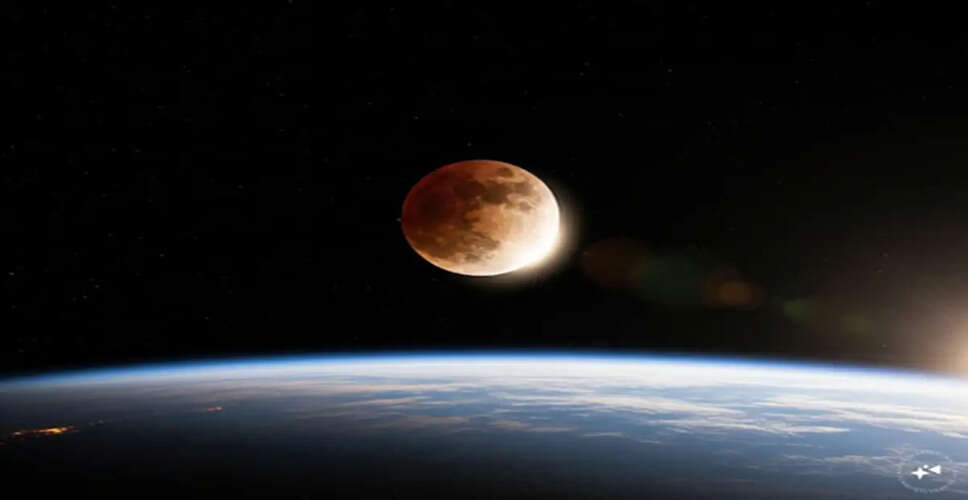
Second Lunar Eclipse of 2026
Second Lunar Eclipse: Astronomical phenomena always capture the imagination of many. Even minor shifts in the movements of celestial bodies like the moon, sun, and planets draw global attention. The year 2026 is notable for such events, with the first lunar eclipse occurring in early March, visible across various regions in India. Enthusiasts gathered on rooftops to witness the moon's transformation. Now, excitement is building again as the second and final lunar eclipse of the year is set for August. This event is particularly significant as a substantial portion of the moon will be enveloped in Earth's shadow, potentially giving it a copper-red hue. Many are curious about the timing, duration, and visibility of this eclipse in India. Let’s delve into the specifics.
Timing of the Second Lunar Eclipse
When will the second lunar eclipse of the year occur?
The first lunar eclipse of 2026 took place on March 3. The second and final eclipse will happen on the nights of August 27 and 28, 2026. Astronomers predict this will be an extended event, with around 93% of the moon obscured by Earth's shadow, which may cause it to appear reddish or coppery. When the Earth aligns between the Sun and the Moon, sunlight is blocked, and the light refracted through Earth's atmosphere casts a red glow on the moon, leading to the term "Blood Moon."
Eclipse Duration and Key Timings
Eclipse Timing and Duration
This lunar eclipse is expected to last about 5 hours and 39 minutes.
Key Eclipse Timings (UTC)
-Start – August 28, 01:23 UTC
-Peak – 04:41 UTC
-End – 07:02 UTC
At its peak, approximately 93% of the moon will be shrouded in shadow, making this moment particularly striking for astronomy enthusiasts.
Visibility of the Eclipse in India
Will it be visible in India?
The pressing question is whether this lunar eclipse can be seen from India. Unfortunately, astronomers indicate that it will not be visible in the country, as it will occur during the daytime, with the moon below the horizon.
This eclipse will be primarily visible in the following regions:
- America
- Europe
- Africa
- Areas surrounding the eastern Pacific Ocean
Residents in these regions will have the opportunity to witness this celestial spectacle.
Sutak Period and Religious Observances
Why will the Sutak period not be observed in India?
Many people inquire about the religious implications and the Sutak period during a lunar eclipse. According to astrological beliefs, if an eclipse is not observable in a particular region, the Sutak period is not applicable there. Consequently, there will be no specific religious restrictions for individuals in India during this eclipse, allowing them to continue their daily routines without interruption.
Public Fascination with Lunar Eclipses
Why People Are Interested in Lunar Eclipses
Despite scientific explanations for eclipses, they continue to intrigue the public. Many prepare in advance to experience these events, capturing images with cameras or telescopes, while others simply enjoy watching the sky change. In the era of social media, photos and videos of eclipses often go viral, leading to trending topics like "blood moon" and "lunar eclipse" during such occurrences.
The second and final lunar eclipse of 2026 will take place on the nights of August 27-28. While it will be visible in several countries and may exhibit a copper-red hue, it will not be seen in India, meaning no Sutak period will be observed here.
Conclusion
PC Social Media