
Unlocking the Benefits of Kegel Exercises for Women's Health
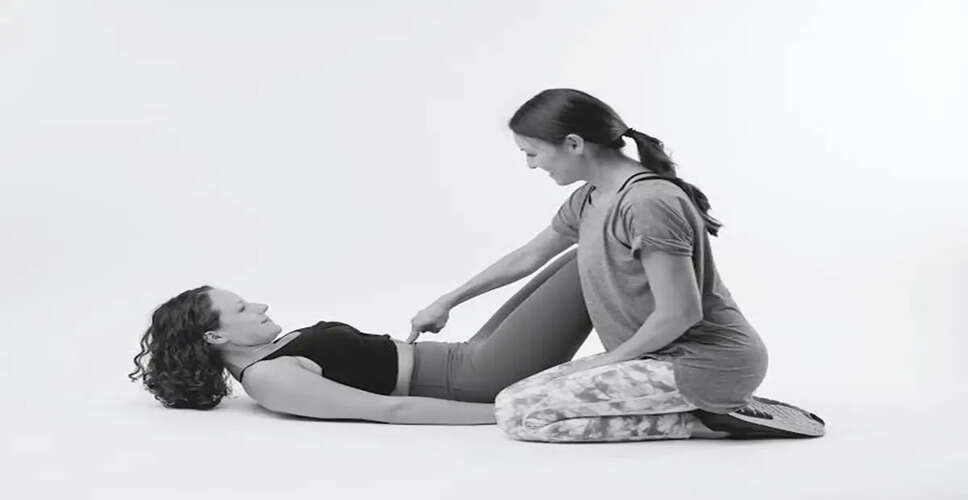

Understanding Kegel Exercises
Advantages of Kegel Exercises: In our busy lives, dedicating time to fitness can be challenging. Many individuals face issues like stiffness, discomfort, and fatigue due to long hours of sitting, desk jobs, poor posture, and relentless work schedules. Maintaining pelvic health is essential, especially for women, yet it often goes unnoticed.
To address this, fitness and lifestyle expert Luke Coutinho has highlighted a straightforward exercise for women on social media: Kegel exercises. These exercises require minimal time and no special equipment, making them easy to incorporate into daily routines.
What Exactly Are Kegel Exercises?
Kegel exercises are designed to enhance the strength of the pelvic floor muscles, which are situated in the lower body and play a vital role in supporting the bladder, uterus, and intestines.
A simple way to identify these muscles is to imagine trying to stop the flow of urine. The muscles you engage during this action are your pelvic floor muscles. However, it’s important not to practice this by stopping urine flow while actually urinating; this technique should only be used to recognize the correct muscles.
Benefits for Women
Kegel exercises are particularly advantageous for women, especially those who may experience urinary leakage when sneezing, coughing, or laughing.
After childbirth, some women may find their pelvic floor muscles weakened. In such instances, performing these exercises correctly can aid in strengthening those muscles.
Additionally, these exercises bolster the muscles that support pelvic organs. However, if a woman is dealing with pelvic organ prolapse or significant urinary issues, it is recommended to seek advice from a healthcare professional or a pelvic floor physiotherapist instead of relying solely on exercises.
How to Execute Kegel Exercises
To start, find a comfortable position, either sitting or lying down. Ensure your body is relaxed, avoiding tension in your abdomen, hips, or thighs.
Gently contract your pelvic floor muscles. Initially, hold this contraction for about 3 to 5 seconds, then relax for the same duration.
Repeat this process several times. As you gain better control, you can gradually extend the duration of each hold. Remember, there’s no need to hold your breath during this exercise.
No Gym Required
The beauty of Kegel exercises lies in their convenience; they don’t require any gym equipment or a trip to a fitness center. You can perform them at home, during work breaks, while traveling, or even before bedtime. To an observer, it may not even appear that you are exercising.
However, it’s important to note that a few seconds of exercise won’t resolve all pelvic issues. Proper technique and consistent practice are essential.
Avoid Overdoing It
Finding balance is crucial when it comes to Kegel exercises. Keeping the pelvic floor muscles constantly tight or over-exercising can worsen problems for some individuals. If you experience pain, discomfort in the pelvic area, or worsening urinary issues while exercising, stop immediately and consult a specialist.
This information is derived from fitness content shared on social media and general health guidelines. For medical conditions, prolapse, postpartum issues, or urinary leakage, always consult a healthcare provider or a qualified pelvic floor physiotherapist.
PC Social Media