
Understanding Your Preferred Side of the Bed: Insights into Sleep Psychology
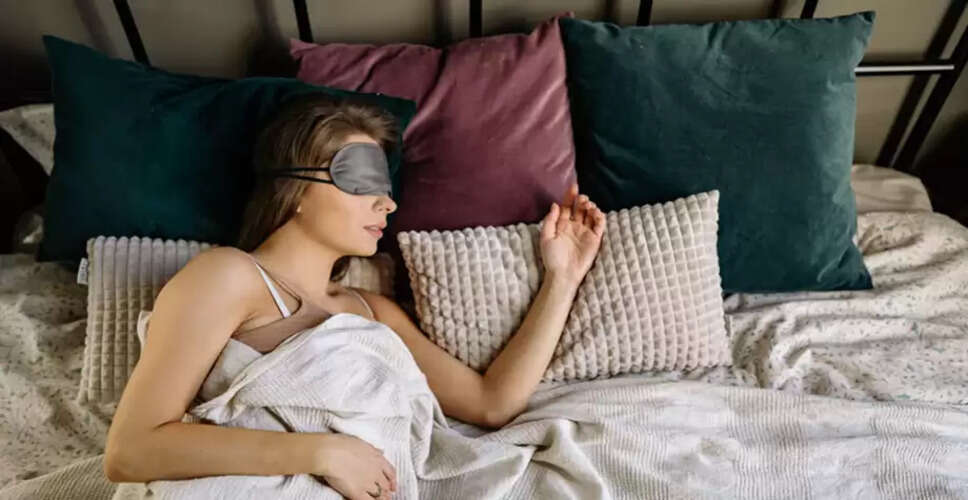
The Battle for Bed Space
As the day winds down and darkness envelops the room, couples often find themselves in a lighthearted dispute over their sleeping positions. "That's my side! You should move over!" one partner might exclaim, to which the other responds, "What does it matter? We're in the same bed!" However, this seemingly trivial matter holds significance. After a brief exchange, both partners typically return to their designated sides.
Why We Choose Our Sides
This scenario is quite common, and you're not alone in experiencing it. Psychologists suggest that the preference for a specific side of the bed is not arbitrary (Why We Prefer One Side of the Bed). It stems from our psychological makeup and ingrained habits. Let's delve into the reasons behind this phenomenon.
Health Implications of Sleeping Positions
Impact on Sleep Quality
Research indicates that nearly half of adults globally prefer sleeping on their sides. This position is beneficial for spinal alignment and results in fewer disturbances during sleep. However, the side you choose can have varying effects on your health.
Right Side: A study reveals that sleeping on the right side is associated with optimal sleep quality, as it reduces pressure on vital organs and nerves.
Left Side: For those suffering from acid reflux or heartburn, the left side is preferable since it positions the stomach below the esophagus. This side is also recommended for pregnant women.
Back Sleepers: Individuals who sleep on their backs may experience more interruptions in their sleep and have a higher likelihood of snoring or sleep apnea.
The Psychological Aspect of Bedside Choices
Security and Comfort
Choosing a side of the bed goes beyond mere comfort; it is also influenced by our innate fears and need for security. Many individuals subconsciously seek a sense of safety. Some prefer to sleep against the wall, while others opt for the side nearest to the door.
Psychologists suggest that those who choose the wall side may view themselves as protectors or desire an escape route in case of emergencies. Just as we tend to sit in the same spot in classrooms or offices, our brains find solace in familiar sleeping arrangements.
Your Sleeping Side and Personality Traits
Revealing Personality Traits
Interestingly, your preferred sleeping side can also reflect aspects of your personality. A study from 2011 in the UK found that individuals who sleep on their left side tend to be more cheerful and optimistic, while those who favor the right side are often seen as serious and routine-oriented. Couples typically establish their sides early in their relationships and seldom alter them later.
Moreover, sleeping on your side may benefit your brain's waste clearance system. Animal studies suggest that this position facilitates the removal of toxins from the brain, potentially lowering the risk of neurodegenerative diseases like Alzheimer's in the long run.
The Challenge of Changing Sides
Why It's Hard to Switch Sides
Once a preferred side is established, it can be challenging to change it. This difficulty is linked to "muscle memory" and psychological conditioning. Our brains associate specific spots with comfort and security, which explains the discomfort felt when switching sides in unfamiliar settings like hotels or new homes.
PC Social Media