
Understanding World Environment Day 2026: A Call to Action Against Climate Change

The Reality of Climate Change
Climate change is an undeniable reality, and its effects are becoming increasingly evident. The planet's climate is currently unbalanced, with rising temperatures in both the atmosphere and oceans, alongside the alarming melting of glaciers. According to the World Meteorological Organization's (WMO) State of the Global Climate report for 2025, the period from 2015 to 2025 marks the hottest decade recorded, with 2025 being one of the hottest years, approximately 1.43°C above the average from 1850 to 1900. Additionally, plastic pollution is severely impacting our oceans and land, with an estimated 19-23 million tonnes of plastic waste entering aquatic ecosystems annually. If current trends continue, plastic waste could nearly triple by 2060. Today, we observe World Environment Day 2026, which serves as a crucial reminder of the urgent need to rectify the harm inflicted on our planet.
World Environment Day 2026 Overview
All About World Environment Day 2026
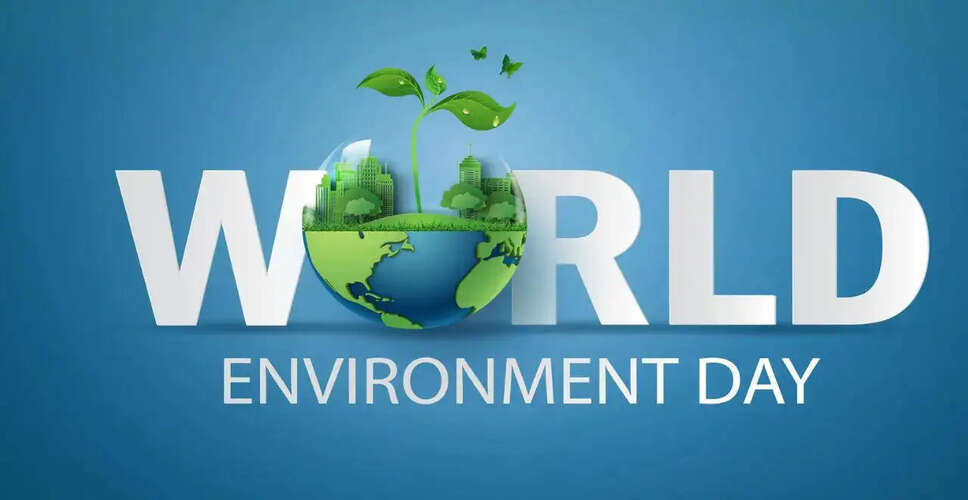
World Environment Day, organized by the United Nations Environment Programme (UNEP) and celebrated every year on June 5 since 1973, stands as the largest global platform for environmental awareness, engaging millions worldwide. Each year, a different country hosts the event, and in 2026, the Republic of Azerbaijan takes on this role. As the host of the UN Climate Change Conference in 2024 (COP29), Azerbaijan has made significant strides in advancing the global climate agenda, achieving key decisions on climate finance and carbon markets, while also launching initiatives that connect climate action with biodiversity, energy transition, water, agriculture, and societal impacts.
Focus of World Environment Day 2026
This year's World Environment Day emphasizes climate change, urging us to recognize the urgent messages the Earth is conveying and how we respond to them. The global campaign encourages everyone to take action #NowForClimate, pushing for progress and guiding the pace of change. The focus is no longer on whether change will occur, but rather on how we can influence it and the speed at which it happens.
Ways to Contribute to Environmental Protection
Actions You Can Take to Help Save the Environment
Small actions can collectively make a significant impact in combating climate change. The United Nations provides several suggestions for individuals looking to make a difference.
Save Energy at Home
Much of our energy consumption comes from fossil fuels. You can reduce your energy use by lowering your heating and cooling needs, opting for LED bulbs and energy-efficient appliances, washing clothes in cold water, and air-drying laundry instead of using a dryer.
Switch to Renewable Energy
Consider transitioning to renewable energy sources or installing solar panels if possible. According to the United Nations, converting your home from fossil fuel-based energy to renewable sources like wind or solar can cut your carbon footprint by up to 1.5 tonnes of CO2e annually.
Utilize Public Transport, Walk, or Cycle
These alternatives can greatly lower greenhouse gas emissions. Living without a car can decrease your carbon footprint by as much as 2 tonnes of CO2e each year compared to a car-dependent lifestyle.
Participate in Environmental Clean-Up
Water pollution is a widespread issue that affects everyone. It is essential for individuals to engage in local clean-up initiatives at beaches, parks, and rivers. The United Nations reports that approximately 2 billion tonnes of waste are discarded each year, with about one-third causing environmental damage, from contaminating water supplies to harming soil.