
Understanding Window Seat Rules on Indian Trains
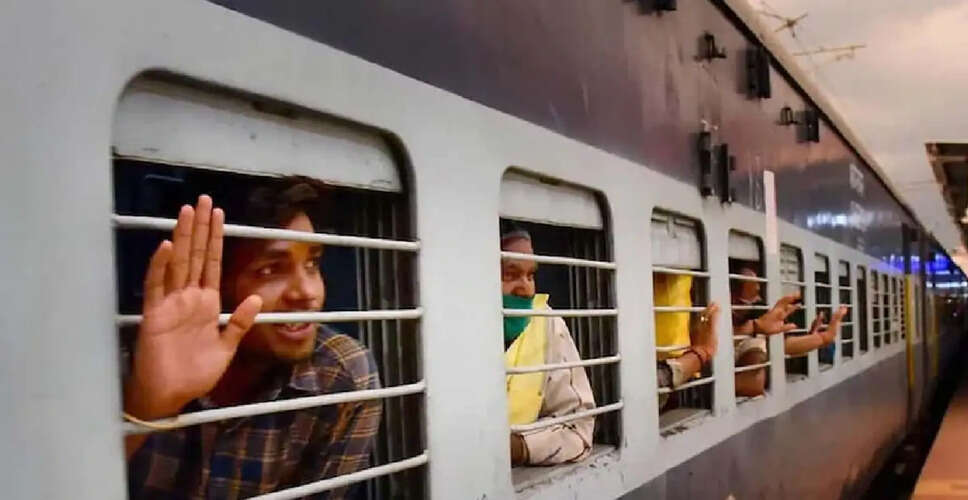

The Allure of the Window Seat
The soothing sound of the train's engine, the refreshing breeze against your skin, and the picturesque scenery passing by—there's nothing quite like the experience of a train journey, especially when you secure that coveted 'window seat.' Regardless of whether the trip is brief or extended, every traveler dreams of landing a window seat, often feeling as though it's a stroke of luck to do so.
Is It Just Luck?
But is the chance of getting a window seat purely a matter of fortune, or are there specific regulations from Indian Railways that dictate this? For those who frequently travel by train, it’s essential to unravel this mystery. Let's delve into the actual railway guidelines regarding your desired window seat.
Who Gets the Window Seat in Sleeper and AC Coaches?
When traveling in a 'Chair Car,' the situation is straightforward; your ticket will clearly indicate whether you have a window seat.
However, confusion often arises in Sleeper and AC coaches, as tickets do not specify window seat assignments. According to railway regulations, the passenger assigned the 'lower berth' has the primary claim to the window-side area. Nevertheless, during daylight hours, passengers typically share this space amicably, enhancing the travel experience.
Who Qualifies for the Lower Berth?
The question then becomes: if the lower berth holder has the window seat, who is entitled to this lower berth? To prioritize passenger comfort, the Railways have designated this seat for certain groups:
- Elderly Men: Senior citizens aged 60 and above are given top priority for lower berths.
- Women: A specific quota for lower berths is also reserved for female passengers aged 45 and older.
- Passengers with Disabilities: To assist those with physical challenges, lower berths are readily allocated to passengers with disabilities.
Timing Matters for Middle Berth Passengers
Disputes on trains often arise between those holding middle and lower berths. To mitigate these conflicts, the Railways have established a clear timetable:
- Seat Deployment Time: If you possess a middle berth ticket, you may only lower your seat for sleeping between 10:00 PM and 6:00 AM.
- Notification Requirement: Before lowering your middle berth, you must notify the passenger below you at least three times.
- 6:00 AM Deadline: You are required to return your middle berth to its original position by 6:00 AM. If you fail to do so, the lower berth passenger can report you to the TTE.
No Disturbance After 10:00 PM
If you're curious about the use of the lower berth during the day, it's meant solely for sitting while traveling. The rules shift at 10:00 PM; this timeframe is reserved for uninterrupted sleep. Importantly, even the TTE cannot disturb you for ticket checks during this rest period. Therefore, keep these regulations in mind for a smoother journey.
Stay Informed
PC Social Media