
Understanding Why We See Our Breath in Winter
The Science Behind Winter Breath
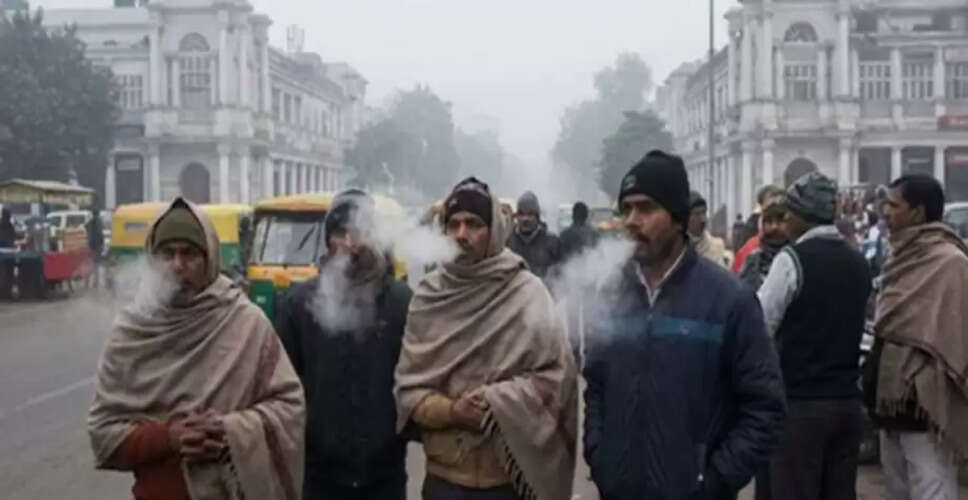
Picture a chilly day. As you step out from under your warm blanket, a cloud of white vapor escapes your lips. As kids, we often delighted in this phenomenon, exhaling to create smoke rings without any fire. But have you ever pondered the origin of this vapor? Does our stomach ignite with warmth as winter sets in? And why does this 'magic' vanish during the hot months of June and July?
Our bodies as natural heaters
To begin with, it's essential to recognize that our bodies are composed of about 70% water. Our lungs maintain a level of moisture. When we breathe out, we release not only carbon dioxide but also heat and moisture. This moisture exists as a gas, which is why it remains invisible.
The interaction of cold air and warm breath
During winter, the external temperature drops significantly, while our body temperature hovers around 37 degrees Celsius (98.6°F). When the warm air from our breath encounters the frigid outside air, it cools rapidly. This sudden drop in temperature causes the 'invisible moisture' to condense into tiny water droplets.
Scientifically, this process is known as condensation, similar to how clouds form in the atmosphere. Therefore, what you see when you exhale in winter is not smoke, but rather a miniature cloud.
Why is this vapor absent in summer?
So, what happens to this 'white smoke' during the summer months? In summer, the outside temperature is closer to our body temperature. When we exhale, the warm air from our lungs mixes with the warm air outside. The lack of a significant temperature difference means the moisture does not cool enough to condense into droplets. Instead, it remains in a gaseous state, blending with the air, rendering it invisible.
PC Social Media