
Understanding Why Belly Fat Can Be Stubborn Despite a Healthy Diet
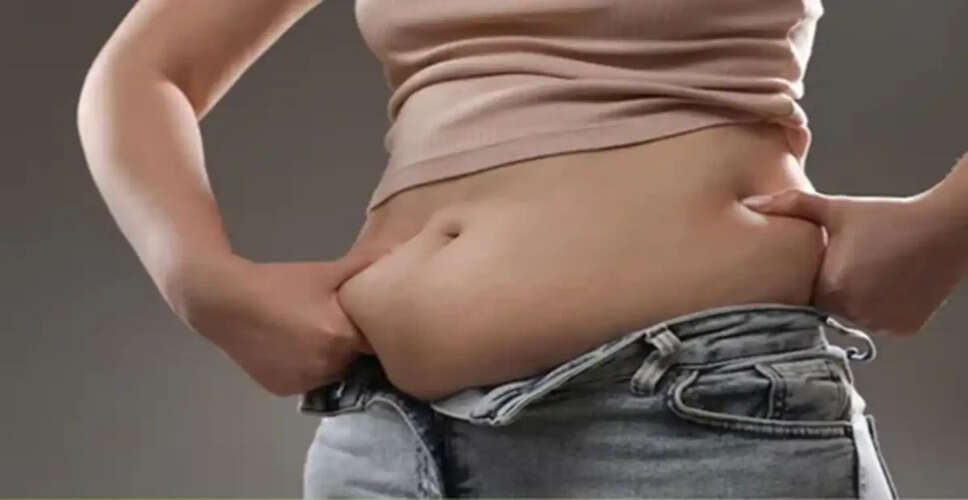

Why Belly Fat Might Not Be Budging
Many individuals believe that adhering to a nutritious and balanced diet will lead to the elimination of belly fat. However, this is not always the reality. Even with diligent efforts, such as dietary restrictions or eliminating sugary treats, persistent belly fat can remain.
The reasons for this phenomenon extend beyond mere dietary choices; they involve metabolic health, hormonal influences, and daily lifestyle habits. Let's delve into the factors that may contribute to the stubbornness of belly fat.
Factors Contributing to Persistent Belly Fat
Stress and Cortisol Levels: Prolonged stress elevates cortisol levels in the body, a hormone linked to fat storage in the abdominal area. High stress or inadequate sleep can hinder fat loss, regardless of dietary choices.
Insufficient Sleep: Failing to achieve 7–8 hours of quality sleep each night can significantly impede weight loss efforts. Lack of sleep raises ghrelin levels (a hormone that stimulates hunger) and slows metabolism, complicating the process of losing belly fat.
Inadequate Physical Activity: Relying solely on diet is insufficient; exercise is crucial for fat loss. Engaging in 30–40 minutes of physical activity daily, such as walking, yoga, or strength training, is vital for burning calories and reducing fat.
Overconsumption of Calories: Many people mistakenly believe that healthy foods—like nuts, smoothies, oats, or peanut butter—are low in calories. However, consuming these in excess can lead to a higher calorie intake. It's essential to manage portion sizes, even with healthy foods.
Hormonal Imbalances: Conditions such as thyroid disorders, PCOS, or insulin resistance can complicate weight loss, especially around the waist. In these situations, seeking medical advice and appropriate treatment is crucial.
Poor Eating Habits: Some individuals drastically reduce their food intake in pursuit of a healthy diet, which can trigger the body to enter "starvation mode." This state leads to fat conservation, halting weight loss progress.
Insufficient Hydration: Not drinking enough water can impede belly fat reduction; dehydration prevents the elimination of toxins and slows metabolism.
Merely following a healthy eating plan is insufficient for reducing belly fat. It is crucial to focus on stress management, adequate sleep, regular exercise, proper hydration, and maintaining hormonal balance.