
Understanding Why Babies Kick Off Their Blankets at Night
Why Babies Remove Blankets at Night
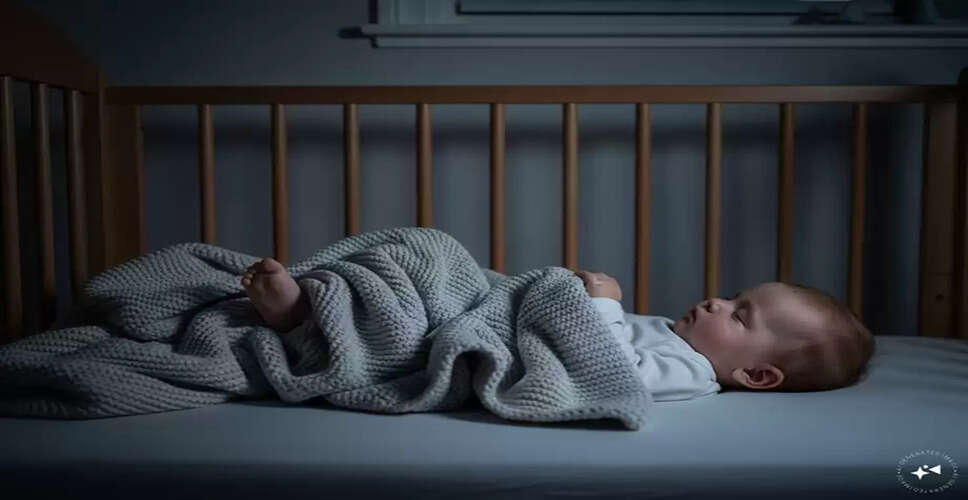
Why Babies Remove Blankets at Night: Many parents, especially new mothers, often find themselves in a nightly struggle to keep their babies covered. Despite repeated attempts to tuck them in, babies frequently kick off their blankets, leaving parents wondering if this is typical behavior. This issue tends to arise more during the colder months, leading many to believe their children are simply being difficult. However, pediatricians clarify that the reasons behind this behavior are rooted in the natural differences between children's and adults' bodies and sleep patterns.
Reasons Behind Blanket Removal
1. High Metabolic Rate: According to pediatrician Dr. Santosh Yadav, children have a faster metabolism than adults, which can lead to them feeling warm quickly. As a result, they instinctively remove their blankets to regulate their body temperature.
2. Immature Thermoregulation: Young children are still developing their ability to regulate body temperature. They may feel excessively hot or cold, prompting them to discard their blankets at the slightest sensation of warmth.
3. Texture Preferences: Many children find certain blanket materials uncomfortable. Heavy or coarse blankets can feel restrictive, leading them to prefer lighter, softer options.
4. Active Sleep Movements: Babies and toddlers tend to move around a lot in their sleep. Actions like rolling over or stretching can easily displace their blankets.
5. Desire for Freedom: Some children simply prefer to sleep without any coverings, feeling that blankets restrict their movement.
Dressing Your Baby for Winter Nights
0–6 months: For infants, safe layering is crucial. Start with a soft cotton onesie, then add a fleece or lightly quilted sleepsuit. A winter sleep sack (2.5–3 tog) is the safest choice. Avoid loose blankets and hats to prevent overheating.
6–24 months: As toddlers become more active, comfort is key. Dress them in a cotton vest, warm pajamas, or thermal sets. A fleece sleepsuit or padded romper works well, and a sleep sack is recommended for those who kick off blankets.
2–5 years: At this stage, children generate significant body heat. A light thermal inner layer and warm pajamas are usually sufficient, along with a light blanket to avoid overheating.
Ensuring Sleep Safety
Sleep Safety: It's common for children's hands and feet to feel cold, but check their chest and back for temperature. Maintain a room temperature between 20–24°C and avoid using loose blankets, pillows, or toys in their sleeping area. With the right layering and sleep environment, your child can enjoy a comfortable night's sleep.
Conclusion
PC Social Media