
Understanding Weight Management Challenges in PCOS
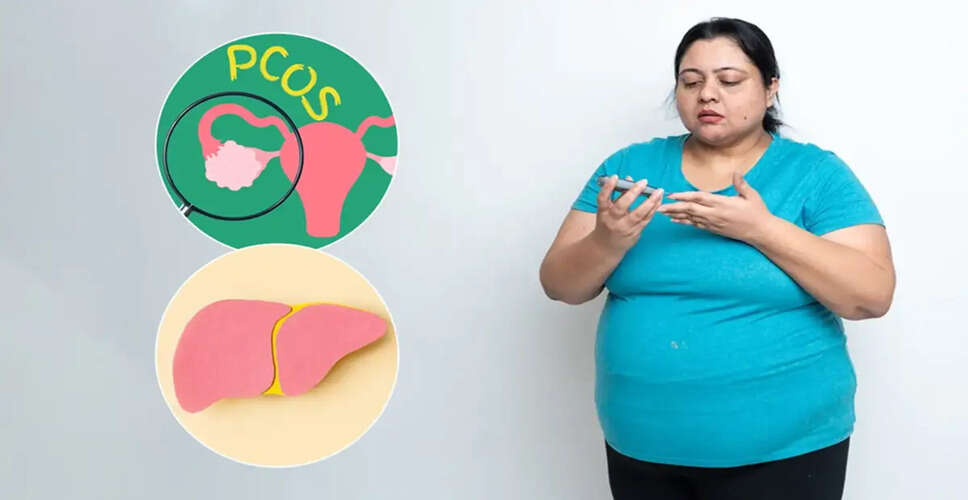
The Struggles of Weight Loss with PCOS
Are you feeling frustrated about your inability to shed pounds despite maintaining a healthy diet and exercising regularly? You're not alone in this struggle. Dr. Bhaskar Pal, a gynecologist at Apollo Multispecialty Hospital in Kolkata and president of FOGSI, highlights that polycystic ovary syndrome (PCOS) is a prevalent hormonal disorder affecting many women.
Studies indicate that between 40 to 80 percent of women diagnosed with PCOS face challenges with obesity or being overweight, which is a prominent symptom of this condition.
Why is Weight Loss So Challenging?
Unlike typical obesity, the weight gained due to PCOS is resistant to conventional dieting and exercise methods. When women exert effort without seeing results, they often internalize blame, questioning their willpower or discipline.
However, it's crucial to recognize that this isn't a personal failing. Hormonal imbalances and insulin resistance significantly contribute to fat storage and a sluggish metabolism. While some initial weight loss may occur, it is often quickly regained due to underlying health issues, creating a frustrating cycle of weight management.
Effects on Mental and Emotional Well-being
The inability to achieve desired weight loss can take a toll on emotional health. Societal expectations regarding body image can lead to feelings of shame and inadequacy among women.
Emotional Strain and Stress: The sensation of losing control over one's body can be mentally exhausting.
Turning to Food for Comfort: Many women find solace in food during stressful times, which can lead to guilt and further weight gain, perpetuating a harmful cycle for both physical and mental health.
Concerns About Future Health: Anxiety about potential health issues is common. Constantly tracking weight, blood sugar levels, and menstrual cycles can heighten stress levels.
Social Misunderstanding and Isolation
Obesity linked to PCOS is often misinterpreted by society. Unwanted suggestions like "eat less" or "exercise more" are frequently given, without understanding the hormonal roots of the issue. To escape such pressures, many women withdraw from social gatherings, leading to feelings of loneliness.
Rethinking Weight Management
Managing weight in the context of PCOS should not be associated with guilt or rigid dieting. Focusing solely on weight numbers can be disheartening. A more effective approach involves enhancing metabolism and overall health through sustainable lifestyle changes.
PCOS Treatment Goes Beyond Weight Loss
Addressing mental health is essential for effective PCOS management. When women realize that weight gain is not a personal failure, they can engage more positively with treatment.
Weight management in PCOS should be viewed as a collaborative effort between healthcare providers and patients. The ultimate aim is not merely to achieve thinness but to alleviate fatigue, enhance metabolism, address menstrual issues, and foster mental resilience. Genuine understanding and support from society and health professionals are vital for women navigating this journey.
PC Social Media