
Understanding Watermelon and Food Safety: Tips for Summer Consumption
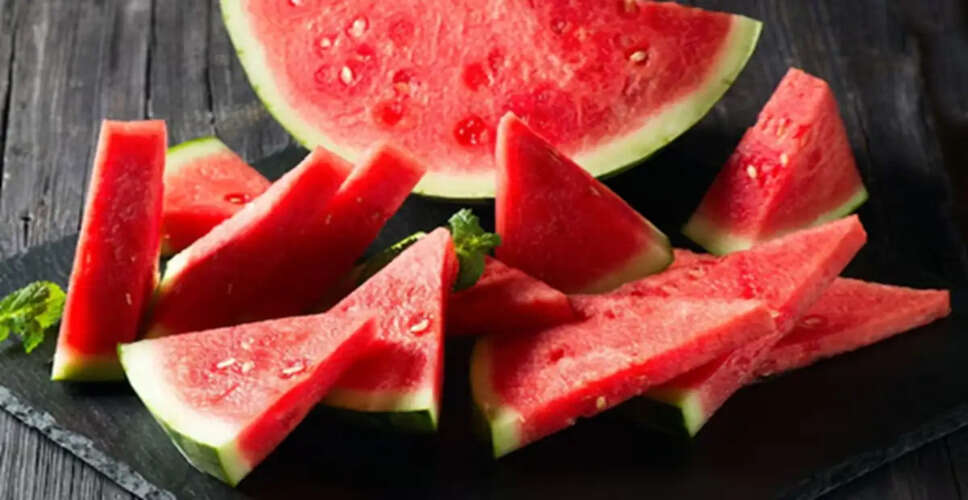

Watermelon: A Summer Favorite with Caution
Watermelon and Food Safety: Watermelon is often hailed as a superfood during the hot summer months due to its high water content, exceeding 90%. Its refreshing taste and nutritional benefits make it a popular choice among consumers. However, this season has seen a rise in food poisoning incidents associated with watermelon, leading to some tragic outcomes. As a result, many individuals are now wary of eating this fruit, fearing it may lead to foodborne illnesses. This raises an important question: what factors contribute to food poisoning from watermelon?
Dr. Anil Arora, who heads the Gastroenterology Department at Sir Ganga Ram Hospital in New Delhi, explained that watermelon itself does not inherently cause food poisoning. The current high levels of heat and humidity play a significant role. When fruits are cut and left out for extended periods, bacteria can proliferate. This is true for all fruits, not just watermelon. Due to its high moisture content, watermelon can become a breeding ground for bacteria if left exposed. Consuming such fruit after it has been sitting out for several hours—or even longer—can lead to food poisoning. It is advisable to avoid eating cut fruits during the summer months.
Dr. Arora further noted that fruits can sometimes become overripe and start to decay internally. In these cases, bacteria can multiply within the fruit. Eating such fruits can result in symptoms like vomiting and diarrhea. Refrigeration does not eliminate the risk, as bacteria can continue to grow even in cold conditions if they were already present. Additionally, if fruits are not washed properly with clean water, bacteria from the water can cling to the surface, increasing the risk of illness. Using a contaminated knife or plate can also lead to food poisoning. Therefore, it is crucial to be vigilant about food safety during the summer.
Experts recommend consuming watermelon immediately after cutting it. If the inside of the watermelon appears mushy or has an off taste, it should be discarded. Ensure that the knife and plate used for cutting are clean. Proper washing and cutting of the fruit, followed by short-term refrigeration, can mitigate health risks. However, cut fruits should not be stored in the refrigerator for too long, as most perishables spoil within 2–3 days. If you notice any adverse health effects after eating, seek medical attention promptly.
PC Social Media