
Understanding Tuberculosis: Treatment and Prevention Strategies
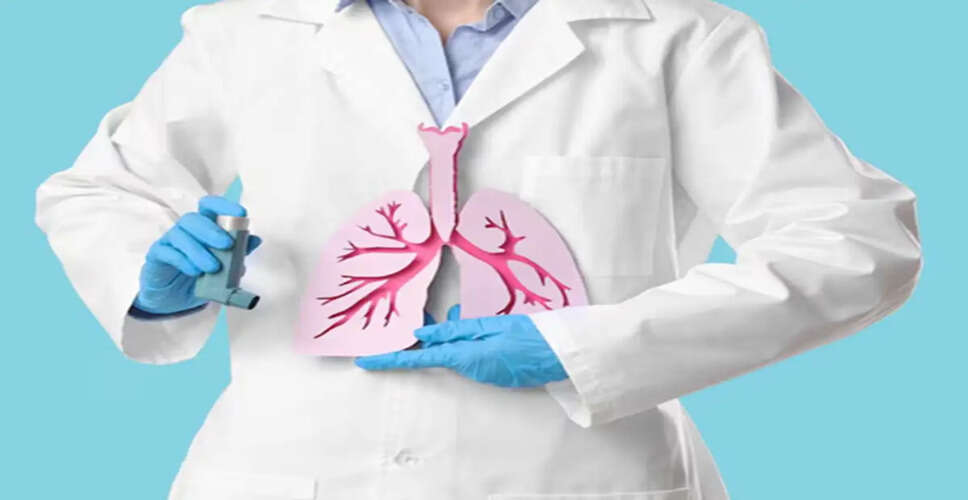
Tuberculosis: A Persistent Health Challenge
Tuberculosis Treatment: Tuberculosis (TB) continues to pose a significant health threat in our nation. While it can affect various organs, the lungs are the most commonly impacted. Many individuals may carry the TB bacteria without showing symptoms, but the disease typically emerges when the immune system is weakened. Factors contributing to this weakened immunity include inadequate nutrition, poor hygiene, and other health conditions. Common symptoms of TB include a chronic cough, fever, weight loss, and sometimes blood in the sputum. TB can also affect other areas such as lymph nodes, the brain, kidneys, bones, and eyes.
Current TB Situation in India
Dr. Sarvinder Singh, who leads the Pulmonology Department at Yatharth Hospital in Greater Noida, highlighted that India is home to about 25% of the global TB cases, with millions of new infections reported each year. Although there has been a gradual decrease in overall cases, the rise of drug-resistant TB remains a critical issue. Effective management of TB requires timely diagnosis, adherence to the full treatment regimen, proper nutrition, and the use of masks in crowded areas. Public awareness and timely action are crucial for both prevention and treatment.
Treatment Protocol for Tuberculosis
The standard TB treatment lasts for six months, during which patients must consistently take their medications. The first two months are known as the "intensive phase," followed by a four-month "continuation phase." If patients adhere to their medication schedule and do not stop treatment prematurely, TB can usually be cured. However, if the bacteria become resistant to standard medications (leading to MDR-TB), treatment may extend from 9 to 24 months, utilizing a combination of antibiotics.
Government Initiatives for TB Management
In India, the Directly Observed Treatment, Short-course (DOTS) strategy is recognized as the most effective approach. This method ensures that patients receive their medications under the supervision of healthcare professionals, preventing incomplete treatment. The Nikshay program provides free diagnostic tests and medications, along with financial and nutritional support for patients. Successful TB treatment hinges on strict adherence to guidelines, including daily medication intake, a nutritious diet rich in lentils, fruits, and vegetables, adequate rest, and regular health check-ups. It is vital to cover the mouth while coughing and wear a mask to prevent spreading the disease. Stopping treatment prematurely can lead to a resurgence of TB and diminish the effectiveness of the drugs.
Connect with Us for Confidential Guidance
If you are facing personal challenges related to health, relationships, lifestyle, or spirituality, feel free to reach out to us via WhatsApp. We are here to provide confidential support and guidance.
Stay Informed
PC Social Media