
Understanding the Tradition of Lighting Lamps During Diwali

The Importance of Lighting Lamps from Dhanteras to Bhai Dooj
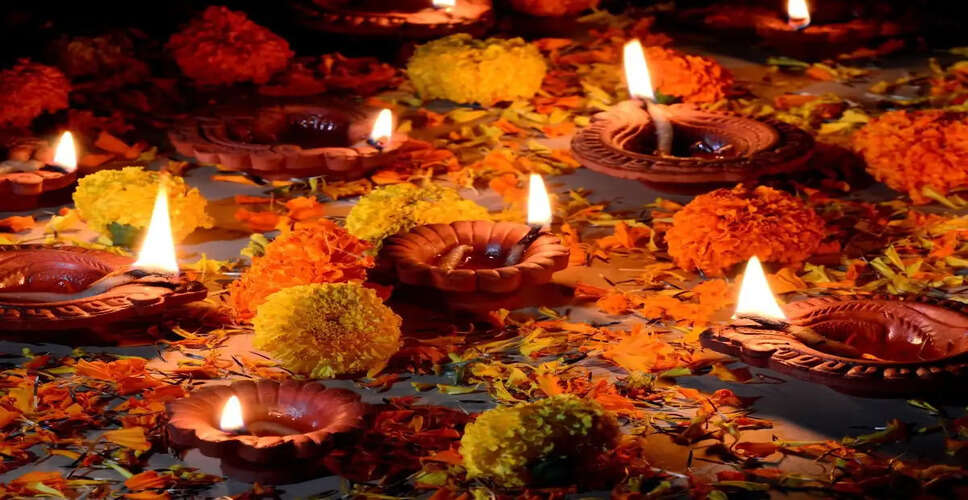
Everyone looks forward to the Diwali festival, which starts with Dhanteras and ends with Bhai Dooj. A significant aspect of this celebration is the nightly lighting of lamps (diyas). This age-old tradition has deep-rooted meanings. Let’s delve into the reasons behind lighting lamps from Dhanteras to Bhai Dooj.
The Significance of Lighting Lamps
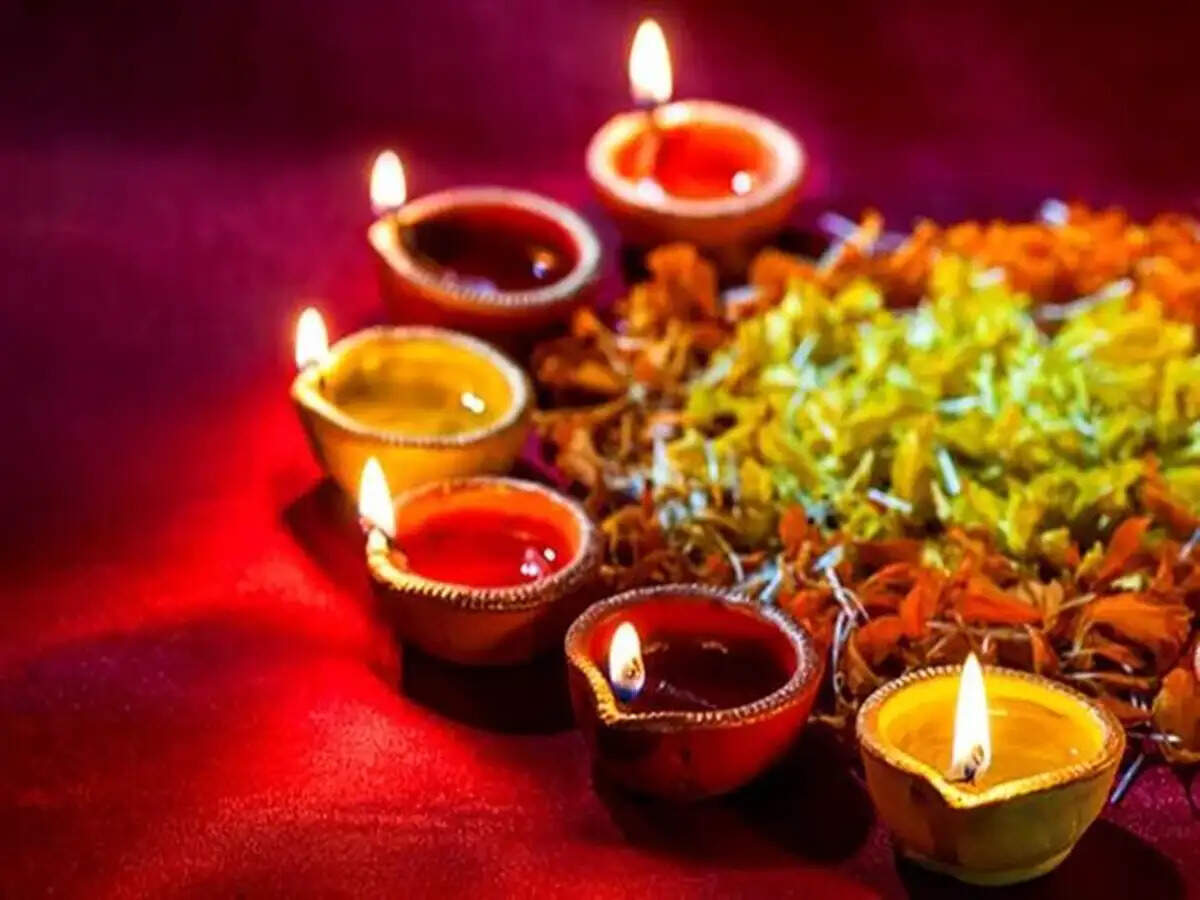
Dhanteras: The first day of Diwali festivities is marked by Dhanteras. On this day, lighting a lamp known as the 'Yama Diya' in the southern direction of the home is particularly important. This act is believed to ward off the fear of premature death, as it honors Yamraj, the deity associated with death.
Chhoti Diwali (Naraka Chaturdashi): Mythology states that lighting lamps on Chhoti Diwali is auspicious. This day commemorates Lord Krishna's victory over the demon Narakasura, who had imprisoned 16,100 princesses. The lighting of lamps symbolizes the victory of good over evil and the dispelling of darkness.
Diwali: On the new moon day (Amavasya) in Kartik, Lord Rama, along with Mother Sita and Lakshmana, returned to Ayodhya after 14 years of exile. The citizens celebrated their return by lighting lamps, which is why this practice is considered highly auspicious. The illumination from these lamps is thought to eliminate ignorance and usher in knowledge, joy, and prosperity.
Govardhan Puja: The fourth day of Diwali is dedicated to Govardhan Puja. In the Dvapara Yuga, the people of Braj worshipped Indra, the King of the Gods. Lord Krishna advised them to worship Mount Govardhan instead, which sustains their cattle. He lifted the mountain to protect them from Indra's wrath. To commemorate this event, people prepare '56 Bhog' (a ceremonial feast of 56 dishes) and light lamps.
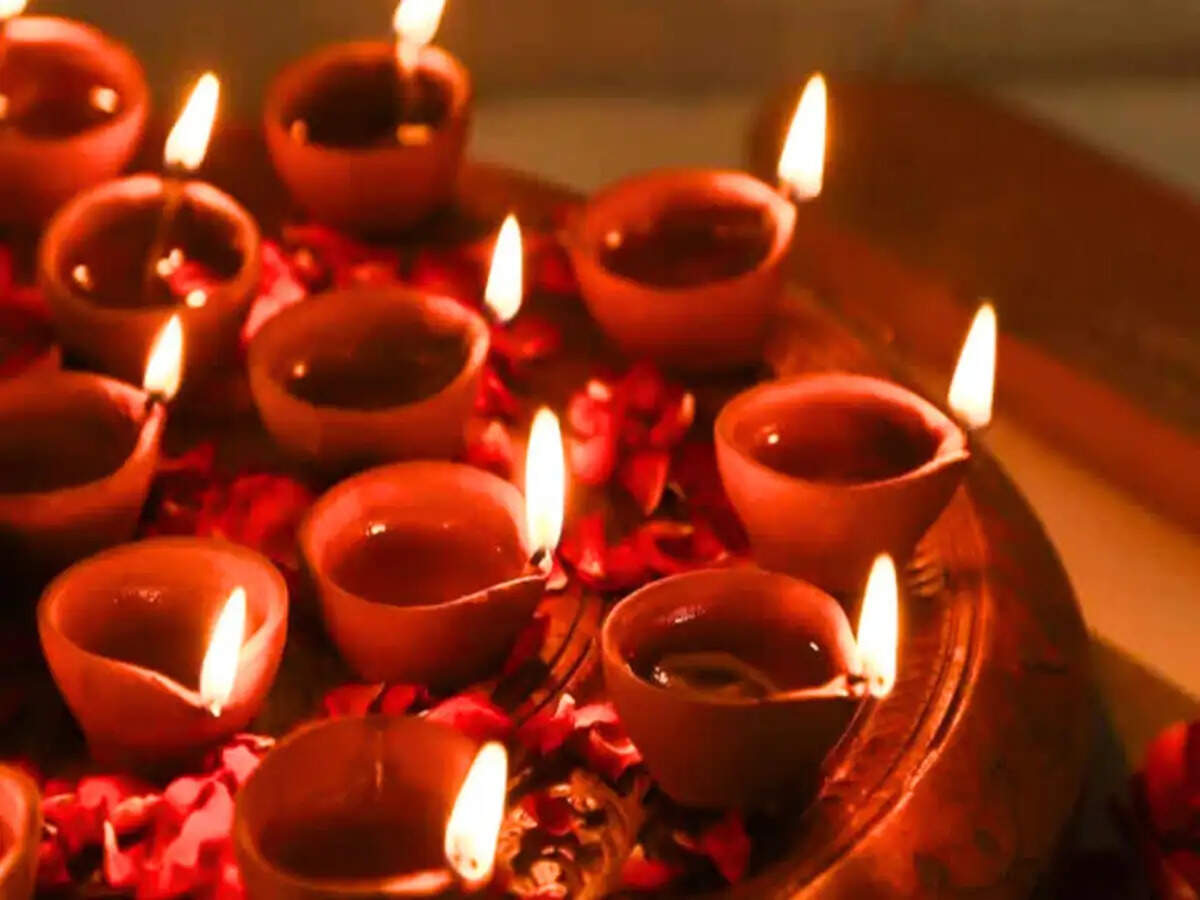
Bhai Dooj: This festival celebrates the enduring bond between brothers and sisters. It is said that on this day, Yamraj visited his sister, Yamuna. Sisters perform a 'tilak' on their brothers' foreheads, praying for their health and prosperity, and light lamps during the 'aarti' ceremony.