
Understanding the Three Gates to Hell in the Bhagavad Gita
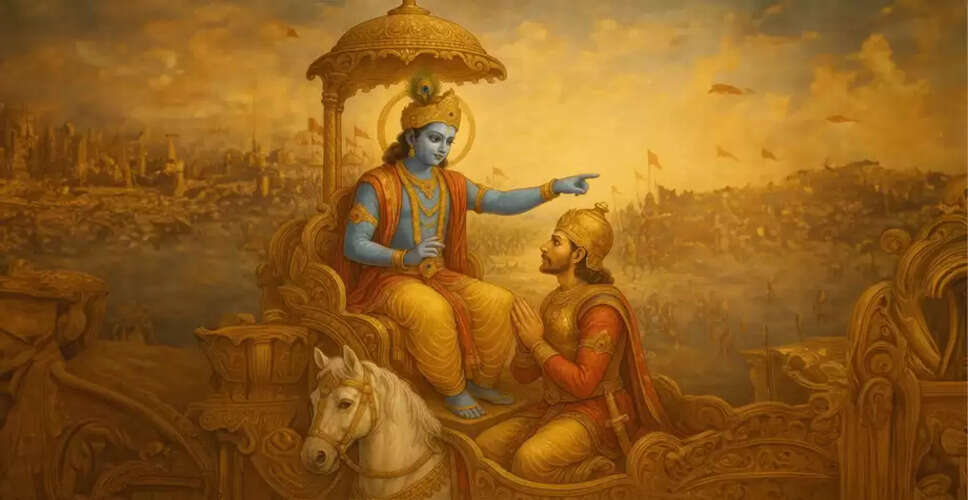
Exploring the Teachings of the Bhagavad Gita
The Bhagavad Gita is revered as one of the most profound texts on life management. In this scripture, Lord Krishna not only provides guidance on achieving victory in battle but also highlights the errors that can lead an individual into a cycle of suffering in everyday life. Within its chapters, Krishna identifies three detrimental habits he refers to as "the gates to hell." Let's delve deeper into these concepts.
These three habits are surprisingly significant contributors to the rising levels of stress, depression, and interpersonal conflicts in modern society.
1. Unchecked Desires
Krishna acknowledges that desires are a natural part of life; however, when they spiral out of control, they can blind individuals. In our consumer-driven society, the constant craving for the latest gadgets, luxury cars, and high-end products can lead to obsession. This obsession can cloud judgment, causing individuals to lose sight of right and wrong, ultimately leading to their downfall.
2. Anger: The Adversary of Wisdom
In contemporary times, it is common to see conflicts erupt over trivial issues, whether on the streets or within our homes. Lord Krishna warns that anger diminishes a person's intellect. When anger takes over, our capacity for rational thought diminishes. A hasty decision or a harsh word spoken in anger can obliterate years of hard work. The Gita emphasizes that tranquility is the only route to escape this tormenting mental state.
3. Greed: The Insatiable Thirst
The third gate is greed, which is a primary driver of corruption, deceit, and fractured relationships today. No matter how much one possesses, it always feels insufficient. A greedy individual is unable to appreciate the present moment, perpetually chasing after more. Lord Krishna describes greed as a chain that ensnares the soul, preventing true peace from being attained.
Where is this discussed in the Gita?
This teaching is found in the 16th chapter of the Bhagavad Gita, titled 'Daivasursampadvibhagayoga'. In this chapter, Krishna elaborates on the traits of individuals with divine versus demonic qualities.
Specifically, it is articulated in verse 21:
"Trividham narakasyedam dvaram nashanamatmanah | Kaamah krodhastha lobhastasmadetattrayam tyajet ||"
The essence of this verse is: "Desire, anger, and greed—these are the three gates to hell that destroy the soul. Therefore, one must renounce these three vices."
How to Steer Clear of These Gates?
Lord Krishna advised Arjuna that by relinquishing these three vices, one benefits their soul and ultimately achieves the highest goal of happiness and peace. It is crucial to understand that hell is not an external place but rather resides within our own negative habits.
PC Social Media