
Understanding the Spiritual Significance of Ganges Water in Kashi
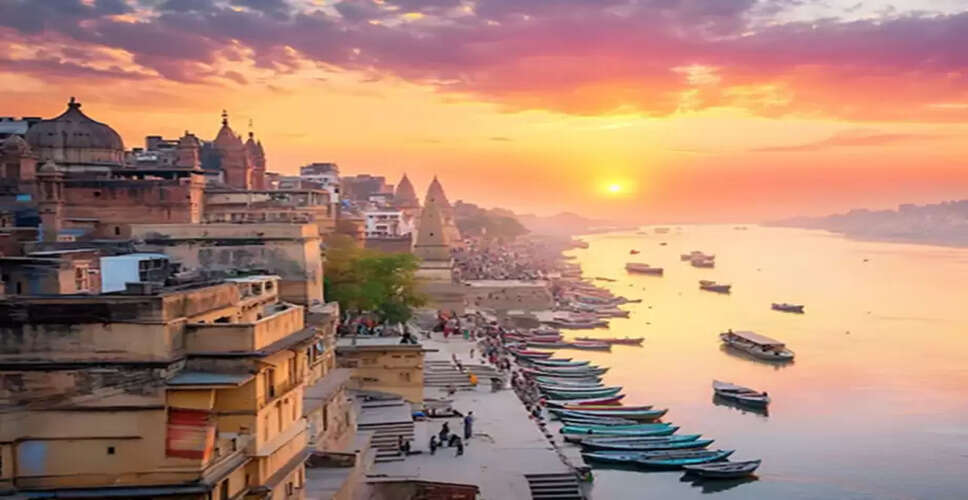
The Sacred City of Kashi
Varanasi, also known as Kashi, is a city steeped in spirituality, where every street resonates with faith. Visitors flock to this sacred place to explore its temples, bathe in the Ganges, and carry a piece of its holiness back home. Renowned as the city of Shiva, Kashi is often referred to as the city of liberation (moksha), attracting individuals from across the globe seeking enlightenment, salvation, and spiritual cleansing. However, there exists a belief that taking wet soil or Ganges water from Kashi is inauspicious. What lies behind this belief? Is it rooted in spiritual significance or merely a local tradition? To uncover the truth, we delved into the customs and beliefs surrounding Kashi. Let's explore why it is advised against bringing Ganges water or wet soil from Kashi into one's home.
Kashi: The Place of Liberation

Kashi, the City of Liberation
In Kashi, numerous ashrams dedicated to liberation (moksha) exist, where individuals often spend their final days. This city is believed to be a sanctuary for souls seeking liberation. The Manikarnika Ghat, known for its frequent cremations, is a significant site. The soil and water from this area are thought to be imbued with the essence of souls, leading to the belief that taking Ganges water home is inauspicious and could bring misfortune.
The Consequence of Separation from Liberation
The Sin of Separating from the Abode of Liberation
It is said that when someone takes Ganges water from Kashi, they inadvertently carry with them the spirits of various beings residing in the water, thus committing the sin of separating these entities from their place of liberation. Kashi is not only a haven for humans but also for various creatures that inhabit the skies, the Ganges, or the soil. Removing anything from Kashi disrupts the natural cycle of life and death for these beings, a belief that applies universally within Kashi.
Spiritual Energy and the Flow of Souls
Flow of Souls and Tantric Energy
Kashi is home to many souls and is a site for numerous tantric rituals and liberation ceremonies. Aghoris, who perform rituals at the cremation grounds, are believed to awaken dormant spiritual energies unique to Kashi. The Ganges water and soil are thought to carry a potent flow of spiritual and tantric energy, which can influence the ambiance of any home.
The Inappropriateness of Keeping Ganga Water at Home
Ganga water is not kept at home:
The Ganges water from Kashi symbolizes liberation. Retaining it at home is viewed as a significant transgression, akin to re-enslaving liberated souls. Even the microorganisms in Ganges water achieve liberation upon reaching Kashi; thus, confining them in containers is seen as denying their salvation. Anyone who passes away in Kashi is believed to attain liberation, and the Ganges water is integral to this process. Therefore, taking it outside Kashi is deemed inappropriate. After cremation at the ghats, the ashes are immersed in the Ganges, completing the deceased's journey to liberation. This connection to liberated souls renders keeping Ganges water at home inauspicious.
Conclusion
PC Social Media