
Understanding the Spiritual Importance of Touching Temple Steps
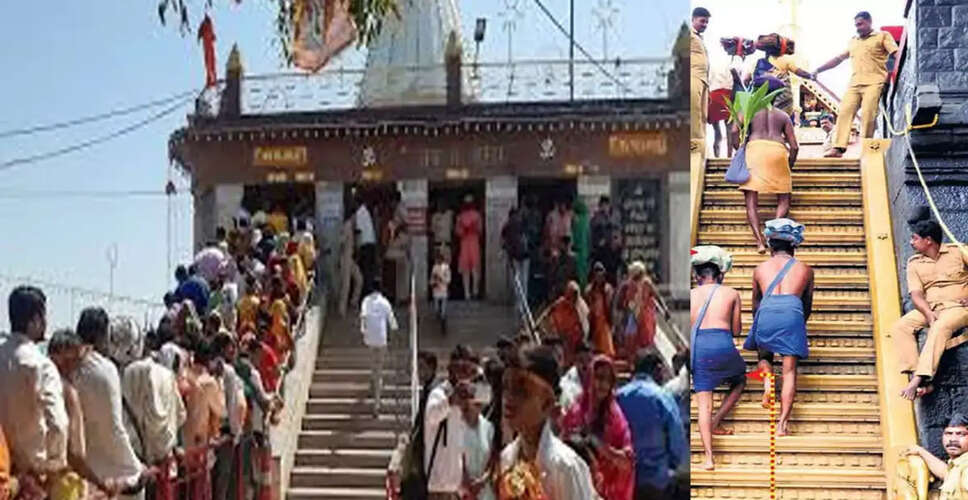

Essential Practices Before Entering a Temple
Before stepping into any temple, there are several important customs to observe. These include taking off your shoes, cleansing your hands and feet, and covering your head. However, many individuals still find themselves touching the first step of the temple as they enter.
The Significance of Touching the First Step
Touching the initial step of a temple is not just a customary act; it carries deep spiritual meaning. This practice is rooted in faith and devotion. Let's delve into the reasons and spiritual significance behind this tradition.
**Spiritual Importance of Touching Temple Steps**
In Hindu beliefs, temples are viewed as sacred spaces brimming with positive energy. It is essential to approach with a pure body, mind, and spirit, filled with devotion. By touching the first step, one expresses reverence towards the Divine.
This gesture of bowing down to touch the first step indicates readiness to enter the temple, having left behind any negativity. It symbolizes the release of ego and anger before approaching the Almighty, embodying a spirit of surrender. Additionally, the first step is believed to be connected to the Divine, representing the dwelling place of the deity.
The Mystery of Sitting on Temple Steps
**Another Mystery Associated with Temple Steps**
Ancient customs also suggest that individuals often sit on the temple steps after leaving the shrine. While this may seem commonplace, there is a deeper significance to this practice.
Religious traditions liken the temple's *shikhar* (spire) to the deity's face, while the steps symbolize the feet. This connection explains why many choose to sit on the steps after viewing the *shikhar*.
Conclusion
Understanding these practices enhances our appreciation of the spiritual journey within temple spaces, reminding us of the importance of reverence and purity in our approach to the Divine.