
Understanding the Significance of the Swastika in Indian Culture
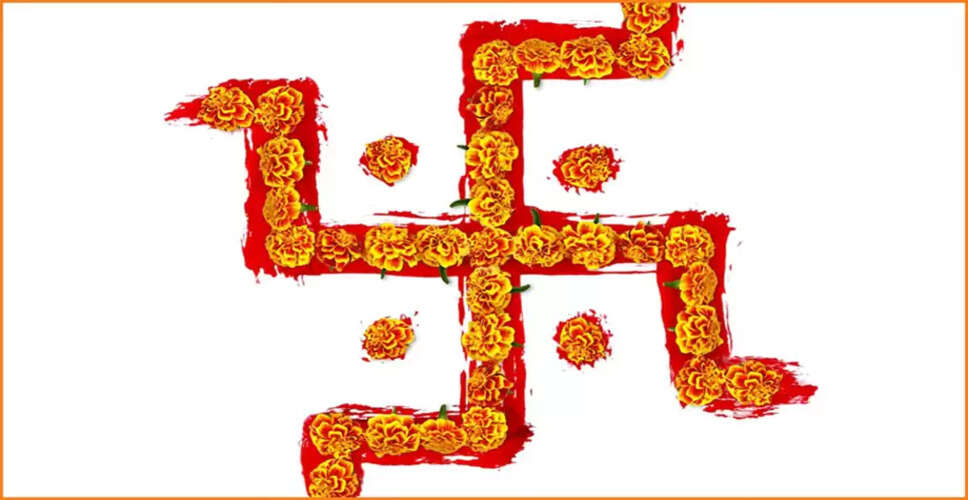

The Importance of the Swastika Symbol
In Indian tradition, the swastika is revered as a highly auspicious symbol. However, a staggering 99% of individuals are unaware of the proper way to depict it. Many people create swastikas at their doorsteps, in temples, or during significant events, but errors in orientation, design, and materials can lead to unintended negative consequences. According to cultural beliefs, a misdrawn swastika may attract adverse energies, which are often linked to bad luck.
The term 'swastika' originates from the Sanskrit words 'su' and 'asti,' which translate to 'may there be well-being' or 'may auspiciousness prevail.' A correctly drawn swastika features four equal arms that turn clockwise. Unfortunately, many individuals mistakenly create an inverted or distorted version, which is deemed inauspicious according to scriptures. The counter-clockwise variant is reserved for specific tantric rituals and is not appropriate for everyday worship or household use.
The materials utilized for drawing the swastika hold significant importance as well. For religious or auspicious events, it is ideal to use turmeric, kumkum, sandalwood paste, roli, sindoor, or cow dung. Using a pencil, pen, black ink, or broken chalk is not considered appropriate for religious purposes. Many people hastily draw the swastika on walls or floors, but it should only be created in a clean and sacred environment.
Timing and location are crucial when drawing the swastika. It should be done after bathing, with a tranquil mind and positive intentions. The morning, particularly after sunrise, is regarded as the most favorable time for this act. When placing a swastika on a door, it should be at eye level and complete; any broken or incomplete version is seen as a harbinger of misfortune.
Another common error is treating the swastika as merely a decorative motif. It is not a design element or a fashion statement but a deeply spiritual symbol. Using it frivolously or inappropriately diminishes its sacredness. After performing puja (prayer rituals), stepping on the swastika or allowing it to become dirty is also viewed as inauspicious.
A correctly drawn swastika is believed to invite positive energy, joy, peace, and prosperity into a home. It serves as a shield against negative influences and helps maintain a pure environment. Therefore, it is vital to be mindful of the direction, size, materials, and intentions when creating a swastika. Even minor mistakes can nullify its beneficial effects, so ensure to follow the proper guidelines to avoid any ill omens.
PC Social Media