
Understanding the Significance of Shastra Puja on Dussehra
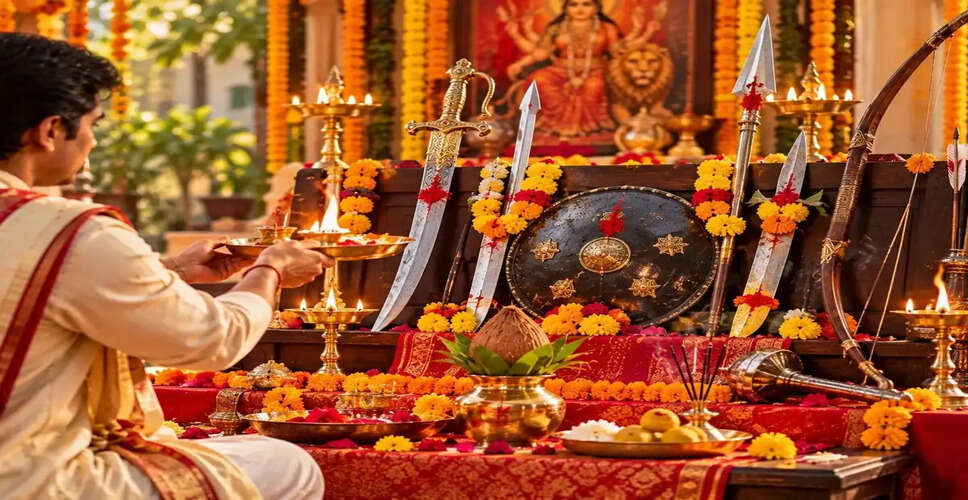

The Essence of Dussehra and Shastra Puja
Dussehra, also known as Vijayadashami, symbolizes the triumph of good over evil. This festival commemorates Lord Rama's victory over Ravana and Goddess Durga's conquest of Mahishasura. A notable tradition during this time is *Shastra Puja*, which involves the worship of weapons and tools. Many individuals are unaware of the deeper meanings and religious beliefs surrounding *Shastra Puja*. Let's delve into this fascinating custom.
The Religious Importance of Shastra Puja
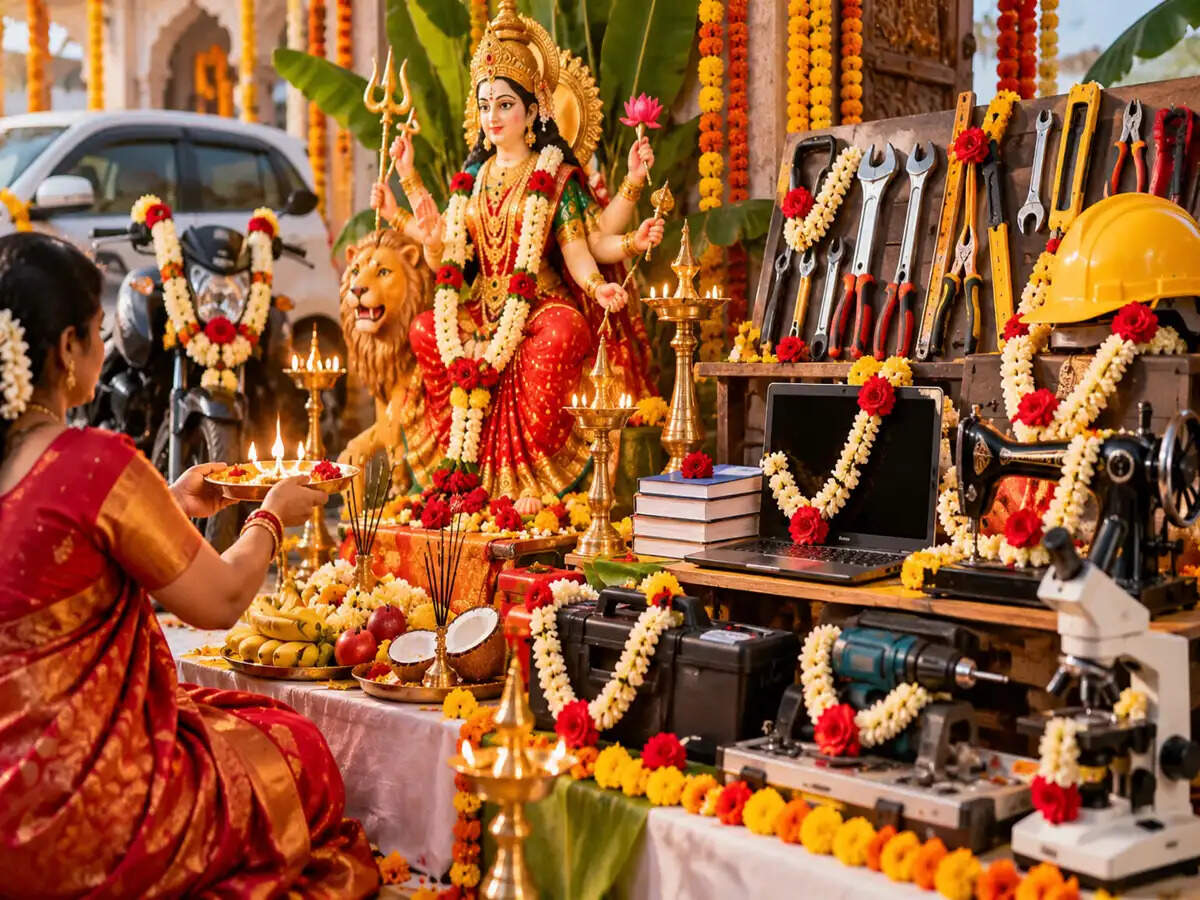
Religious Significance of *Shastra Puja*
In Hindu culture, weapons symbolize strength, bravery, and the defense of *Dharma* (righteousness). The act of *Shastra Puja* transcends mere worship; it is a commitment to utilize one's power for just causes and to oppose wrongdoing. Vijayadashami is seen as a propitious time for fresh starts and victories. Consequently, individuals in security professions, such as soldiers and police, often honor their weapons, while artisans and farmers pay homage to their work tools.
Mythological Roots of Shastra Puja
The Tradition Linked to the *Mahabharata*
A significant aspect of *Shastra Puja* is its connection to the *Mahabharata*. Legend has it that the Pandavas concealed their weapons in a *Shami* tree during their incognito exile (*Agyatvas*). After their exile, Arjuna retrieved his weapons from this tree to confront the Kaurava army and protect King Virata's kingdom. This narrative is closely tied to Vijayadashami, leading to the worship of the *Shami* tree and weapons in various regions during Dussehra.
The Connection to Lord Rama and Goddess Durga
Connection to Lord Rama and Goddess Durga
Dussehra also celebrates Lord Rama's victory over Ravana, symbolizing the end of *adharma* (unrighteousness) and the establishment of *dharma* (righteousness). Similarly, the *Devi Mahatmya* narrates Goddess Durga's triumph over the demon Mahishasura. Both stories emphasize the victory over injustice and malevolent forces. The practice of *Shastra Puja* reinforces the idea that power should be wielded in the service of *dharma*, justice, and the safeguarding of others.
Performing Shastra Puja
How is *Shastra Puja* performed?
The rituals associated with *Shastra Puja* can differ by region and family traditions. Typically, on Dussehra, weapons and tools are cleaned and arranged in a designated area for worship. Items such as *roli* (vermilion), *akshat* (unbroken rice), flowers, and *diyas* (lamps) are utilized during the ceremony. Many individuals also perform this worship for their vehicles, machinery, books, and various professional tools. In South India, the practice of honoring the tools of one's trade—known as *Ayudha Puja*—is particularly significant.
The Core Message of Shastra Puja
What is the message behind *Shastra Puja*?
*Shastra Puja* serves as a reminder that power must be exercised with responsibility. Whether it involves weapons or everyday tools, they should be treated with care, discipline, and a righteous intent. This tradition also provides an opportunity to express gratitude for the tools that aid in one's work and to seek blessings for new endeavors. Thus, the worship of weapons on Dussehra transcends mere ritual; it embodies courage, duty, self-defense, and the constructive use of power. Its fundamental message is that true victory is meaningful only when it serves to uphold justice and protect *dharma*.
Conclusion
PC Social Media