
Understanding the Significance of Sakat Chauth on January 6th
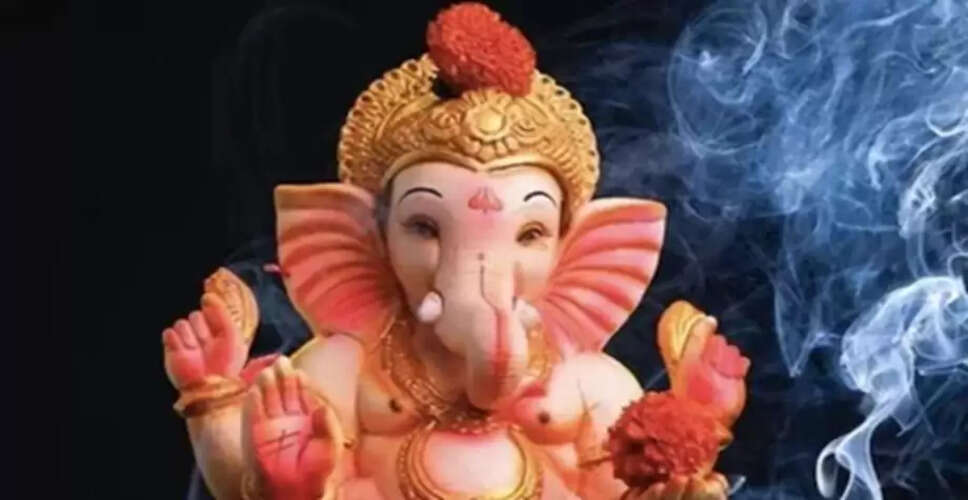
Overview of Sakat Chauth
Today, January 6th, marks the third day (Tritiya) of the Krishna Paksha (dark fortnight) in the month of Magha according to the Hindu calendar. This lunar day will conclude at 8:01 AM, leading into the fourth day (Chaturthi). The Sakat Chauth fast is traditionally observed on this date.
Cultural Beliefs and Practices
It is believed that participating in this fast grants children longevity and fosters happiness within the family. Observing the moon on this day is particularly auspicious, and several favorable planetary alignments are present during Sakat Chauth. Let’s delve into today’s Panchang (Aaj ka Panchang 6 January 2026).
Panchang Details
Date: Krishna Tritiya
Month (Purnimanta): Magha
Day: Tuesday
Samvat: 2082
Tithi: Krishna Tritiya – until 08:01 AM
Tithi: Krishna Chaturthi – until 06:52 AM on January 7th
Yoga: Priti – until 08:21 PM
Karana: Vishti – until 08:01 AM
Karana: Bav – until 07:21 PM
Karana: Balava – until 06:52 AM on January 7th
Sunrise and Sunset
Sunrise and Sunset Times
Sunrise: 07:15 AM
Sunset: 05:39 PM
Moonrise: 08:54 PM
Moonset: 09:35 AM
Auspicious and Inauspicious Timings
Auspicious Timings Today
Abhijit Muhurta: 12:06 PM to 12:48 PM
Amrit Kaal: 10:46 AM to 12:17 PM
Rahu Kaal: 03:03 PM to 04:21 PM
Gulika Kaal: 12:27 PM to 01:45 PM
Yamaganda: 09:51 AM to 11:09 AM
Today's Nakshatra
Today's Nakshatra
Today, the Moon resides in Ashlesha Nakshatra until 12:17 PM. This Nakshatra is characterized by traits such as strength, cheerfulness, enthusiasm, cunningness, and intelligence. The ruling deity is Naga, with Mercury as its lord.
Importance of Sakat Chauth
Significance of Sakat Chauth
Sakat Chauth is a significant fast in Hindu culture, primarily observed by mothers for the welfare and longevity of their children. This fast occurs on the fourth day of the dark fortnight in Magha and is also referred to as Tilkuta Chauth or Sankashti Chaturthi.
On this day, worshipping Lord Ganesha and Goddess Sakat holds special importance. Women who observe the fast refrain from food and water until they see the moon at night. Offerings during the puja include sesame seeds, jaggery, ladoos, and modaks, believed to alleviate issues related to children and enhance family happiness.
Puja Method for Sakat Chauth
Sakat Chauth Puja Method
On Sakat Chauth, begin with a morning bath and wear clean attire. Clean your home and purify the puja area. Maintain a fast throughout the day, focusing on the well-being of your children.
In the evening, lay a red or yellow cloth on a platform and place the idol or image of Lord Ganesha and Goddess Sakat upon it. During the worship of Lord Ganesha, offer sesame seeds, jaggery, modaks, ladoos, flowers, durva grass, roli (vermilion), rice, and light a lamp.
Start by lighting the lamp and meditating on Lord Ganesha. Apply roli and rice as a tilak, followed by offering flowers and durva grass. Present the prasad made from sesame seeds and jaggery.
Afterward, listen to or read the Sakat Chauth story. Once the moon rises, offer water, flowers, and rice to the Moon God. Break your fast only after sighting the moon and then enjoy the prasad. It is believed that performing the Sakat Chauth puja with the correct rituals resolves issues related to children and fosters peace and happiness in the family.
Conclusion
PC Social Media