
Understanding the Significance of Prasad in Hindu Rituals
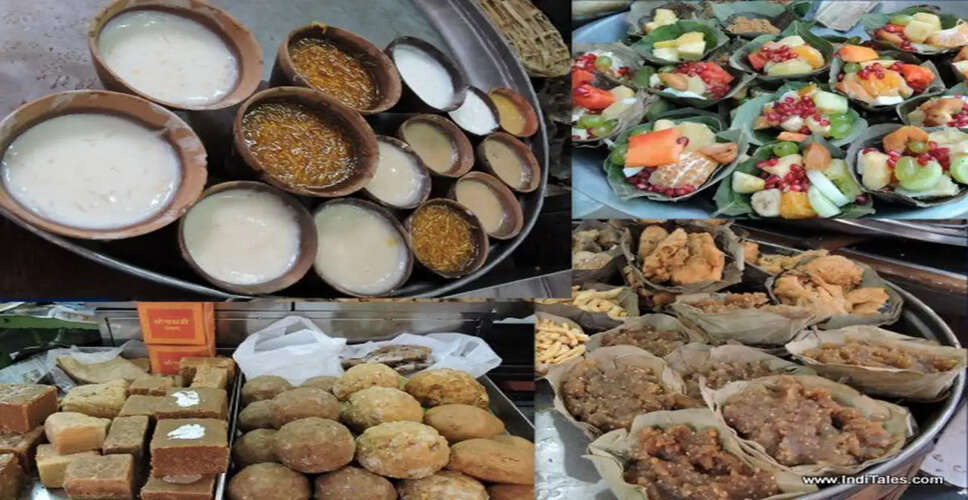

The Importance of Prasad in Hinduism
Bringing Prasad Home: In Hindu culture, the act of pilgrimage is deeply revered. Devotees often return from temples or sacred sites with *prasad*, which is considered more than just food; it symbolizes divine blessings. This offering is a means to share the deity's grace with family members. There are specific religious customs regarding the handling and consumption of *prasad* once it is brought home. Are you aware of the initial steps to take with *prasad* upon your return? Let’s delve into the religious practices surrounding this.
Initial Steps After Returning Home
What to Do First: Upon arriving home with *prasad*, it is essential to place it in a clean and sacred area. If you have a home altar (mandir), position the *prasad* in front of the deity and offer your respects. While doing this, remember the Divine and pray for your family's happiness, prosperity, and health. It is crucial to avoid placing *prasad* near shoes or in any unclean spots.
Consumption of Prasad
How to Consume Prasad: In Hinduism, *prasad* is regarded as a sacred blessing and should not be treated like regular food. It should be consumed with utmost respect and reverence. Sharing *prasad* among family members is deemed auspicious, as it is believed to enhance joy and positivity within the household.
Storing Prasad in the Home Shrine
Can Prasad Be Kept in the Shrine? If the *prasad* you bring back is dry, such as *mishri* (rock sugar), *batashe* (sugar drops), nuts, or dry *laddus*, it can be stored in a clean container within the home shrine for a limited time. However, perishable items should not remain in the shrine for long and should be consumed promptly.
Preventing Spoilage of Prasad
How to Prevent Spoilage: Certain types of *prasad* can spoil quickly. To maintain its freshness, store it in a clean, dry container, and if necessary, refrigerate it. Avoid consuming any *prasad* that has gone bad. According to religious customs, spoiled *prasad* should be respectfully buried in clean soil or disposed of following local religious practices.
Social Media
PC Social Media