
Understanding the Significance of Pradosh Vrat in Hinduism

The Importance of Pradosh Vrat
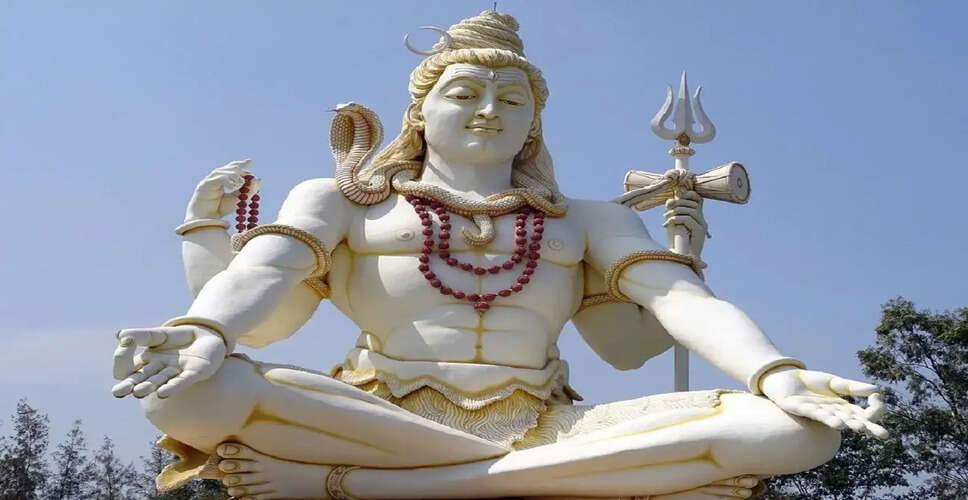
In Hindu traditions, the Pradosh Vrat holds great significance for devotees of Lord Shiva. This fasting ritual is dedicated to both Goddess Parvati and Lord Shiva. It is believed that worshipping Mahadev during the *Pradosh Kaal*—the twilight period—invites his blessings, paving the way for joy, wealth, and success in life. The *Panchang*, or Hindu calendar, indicates that the Pradosh Vrat is observed bi-monthly, once during *Shukla Paksha* (the waxing moon) and once during *Krishna Paksha* (the waning moon). On this day, followers fast from dawn and engage in ceremonial worship of Lord Shiva, Goddess Parvati, and their divine family during the evening's *Pradosh Kaal*.
Many individuals face financial challenges and strive to overcome them through various means, including prayers to deities for swift relief from their monetary issues. To gain insights on the first Pradosh Vrat of September and its potential benefits for alleviating debt, we consulted Pandit Anand Bhardwaj from Ujjain.
When is the Pradosh Vrat Observed?
**Date of the Pradosh Vrat**
According to the Vedic *Panchang*, the *Trayodashi Tithi* (the thirteenth day of the lunar cycle) in the month of *Bhadrapada* begins at 05:12 AM on September 8th and ends at 3:00 AM on September 9th. Therefore, the Pradosh Vrat will be celebrated on Tuesday, September 8th, and since it falls on a Tuesday, it is referred to as *Bhaum Pradosh Vrat*.
The Significance of Bhaum Pradosh Vrat
**Why is Bhaum Pradosh Important?**
A Pradosh Vrat that occurs on a Tuesday is termed *Bhaum Pradosh*. This day is considered particularly favorable for settling debts, as per scriptures. The *Puranas* suggest that anyone who sees the idol of Lord Shiva during the first *Prahar* (first quarter of the night) on *Trayodashi* will find solutions to their troubles.
Guidelines for Observing Pradosh Vrat
**Follow These Rituals:**
- On the day of the Pradosh Vrat, rise early, take a bath, offer *Arghya* (water oblation) to the Sun God, and make a solemn vow (*Sankalp*) to observe the fast.
- Clean the worship area thoroughly and perform *Abhishek* (ritual bathing) of Lord Shiva with *Panchamrit* (a blend of milk, curd, honey, ghee, and sugar). After this, worship the Shiva family and present *Belpatra* (wood apple leaves), flowers, incense, and a *diya* (lamp) to Lord Shiva.
- Next, recite the *Pradosh Vrat* story, perform the *Aarti* of Lord Shiva, and ensure to recite the *Shiva Chalisa*. Conclude your fast only after completing these rituals.