
Understanding the Significance of Nature in Sanatan Hindu Dharma

The Role of Nature in Religious Practices
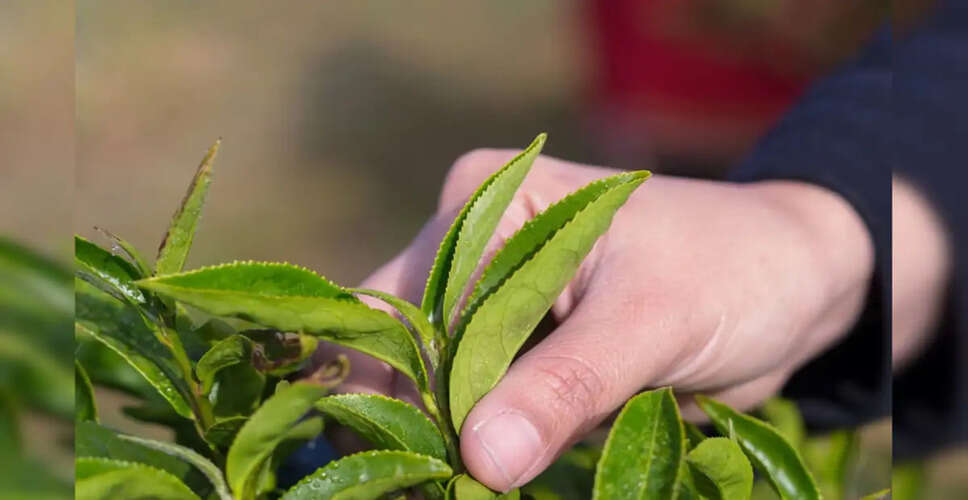
In the Sanatan Hindu tradition, worship and rituals are deeply valued, but religious life extends beyond just temples and *aarti* (ceremonial lamp lighting). Religious texts and customs provide guidance for nearly every facet of daily existence—ranging from waking up to the direction one sleeps, dietary habits, and interactions with the environment. A notable belief within these customs is the prohibition against touching trees and plants after sunset, as well as plucking their leaves or flowers. This guideline is still emphasized by elders in many households today. This practice is not merely rooted in faith; it is supported by significant spiritual and scientific reasoning.
**Insights from Experts**
Pandit Deeplal Jaipuri, an astrologer from Ambala, shared his insights on this topic with *Local 18*. He noted that in Sanatan Dharma, trees and plants are viewed as living beings. Similar to humans and animals, these plants rest at night after being active during the day. Thus, disturbing them or harvesting their branches, leaves, or flowers at night is deemed inappropriate. The *Padma Purana* states that flowers and leaves meant for deity worship should only be gathered after sunrise and following a morning bath. Flowers collected at night are considered impure, and using them in worship does not yield the full spiritual benefits. The scriptures explicitly prohibit the offering of stale or wilted flowers.
Pandit Deeplal further elaborated that there are practical reasons for this tradition, as most flowers bloom in the morning and maintain their fragrance and freshness throughout the day. However, as night falls, their natural beauty diminishes. Many flowers begin to wilt after sunset, making them unsuitable for worship. Additionally, birds roost in trees at night, and various small insects and creatures find shelter in the foliage. Therefore, disturbing plants at night could disrupt their natural life cycles.
This Is Not Superstition
Pandit Deeplal emphasizes that this tradition also carries a scientific message about environmental conservation, urging us to treat nature with care. Respecting the resting periods of other living beings is crucial. This is why, in Sanatan Dharma, trees and plants are honored as divine entities and worshipped accordingly. Thus, the practice of avoiding contact with trees and plants after sunset is not a superstition; it embodies a harmonious blend of reverence for nature and scientific understanding.
PC Social Media