
Understanding the Significance of Gupt Navratri Rituals
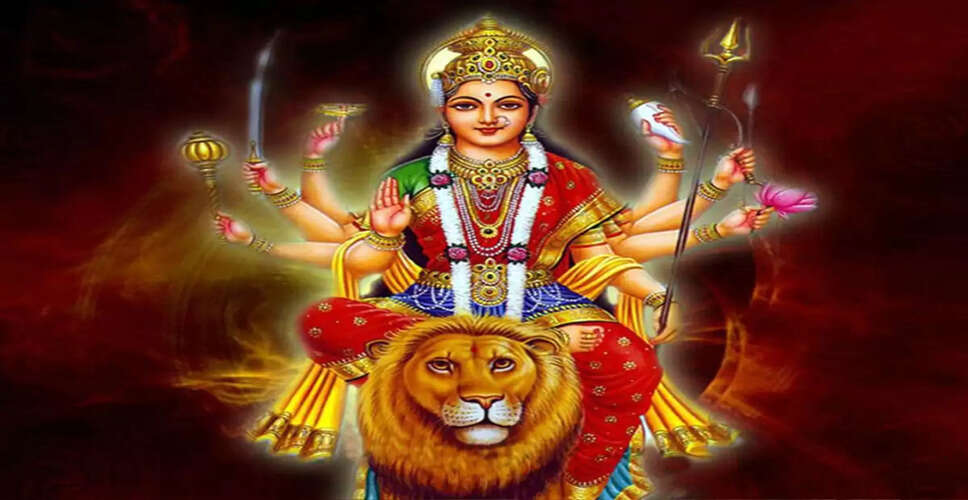
Gupt Navratri: Dates and Practices
This year, the sacred period of Magh Gupt Navratri will commence on January 19 and last until January 28. The rituals associated with Gupt Navratri are mainly observed by Tantra practitioners or Aghoris.
Nonetheless, anyone can experience joy, prosperity, and wellness by engaging in the worship of Goddess Durga during this time. To fully benefit from the Gupt Navratri rituals, certain guidelines must be adhered to. Let’s explore these further.
Key Rule of Gupt Navratri
Confidentiality is Crucial:
True to its name, Gupt Navratri (Secret Navratri) is meant to be observed discreetly. Hence, the foremost rule is to maintain 'confidentiality'. It is advised not to disclose your worship practices, mantras, or intentions to anyone. Publicly sharing these details is believed to render the worship ineffective.
If you have lit an Akhand Jyoti (eternal flame) at home during this period, ensure that the house is never left unattended and that the flame's purity is preserved.
Mistakes to Avoid
Purity in Worship:
The full benefits of Gupt Navratri worship can only be attained when the devotee is pure in body, mind, and spirit. Therefore, it is essential to maintain cleanliness in both physical and mental aspects. After a morning bath, wear fresh clothes and tidy the worship area. Additionally, it is crucial to avoid harboring negative thoughts. Engaging in insults, lying, or anger is strictly prohibited during this sacred time.
Abstinence During Gupt Navratri
What to Avoid:
Throughout the nine days of Gupt Navratri, devotees should refrain from consuming non-vegetarian food, alcohol, garlic, onions, and similar items. Strict adherence to celibacy is also required. Neglecting these guidelines may provoke the Goddess, resulting in various challenges.
PC Social Media