
Understanding the Significance of Gopashtami in Hindu Tradition
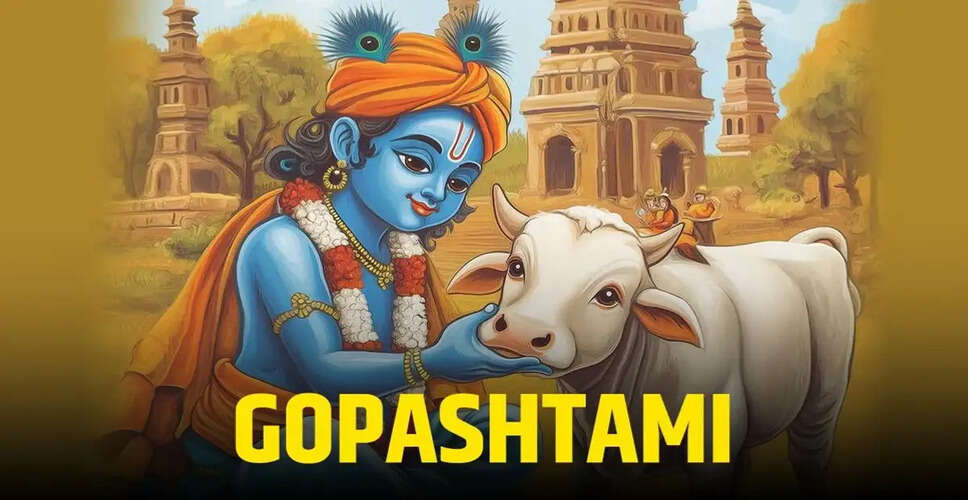

Gopashtami 2026: A Celebration of Cows
Gopashtami 2026: In Hindu culture, cows are revered as maternal figures, leading to their worship during various festivals. One of the most important of these is Gopashtami, a day dedicated to honoring cows. On this occasion, cows are bathed, their horns are beautifully decorated, a *tilak* is applied to their foreheads, and they are adorned with floral garlands. Have you ever considered the origins of this tradition of honoring cows on Gopashtami?
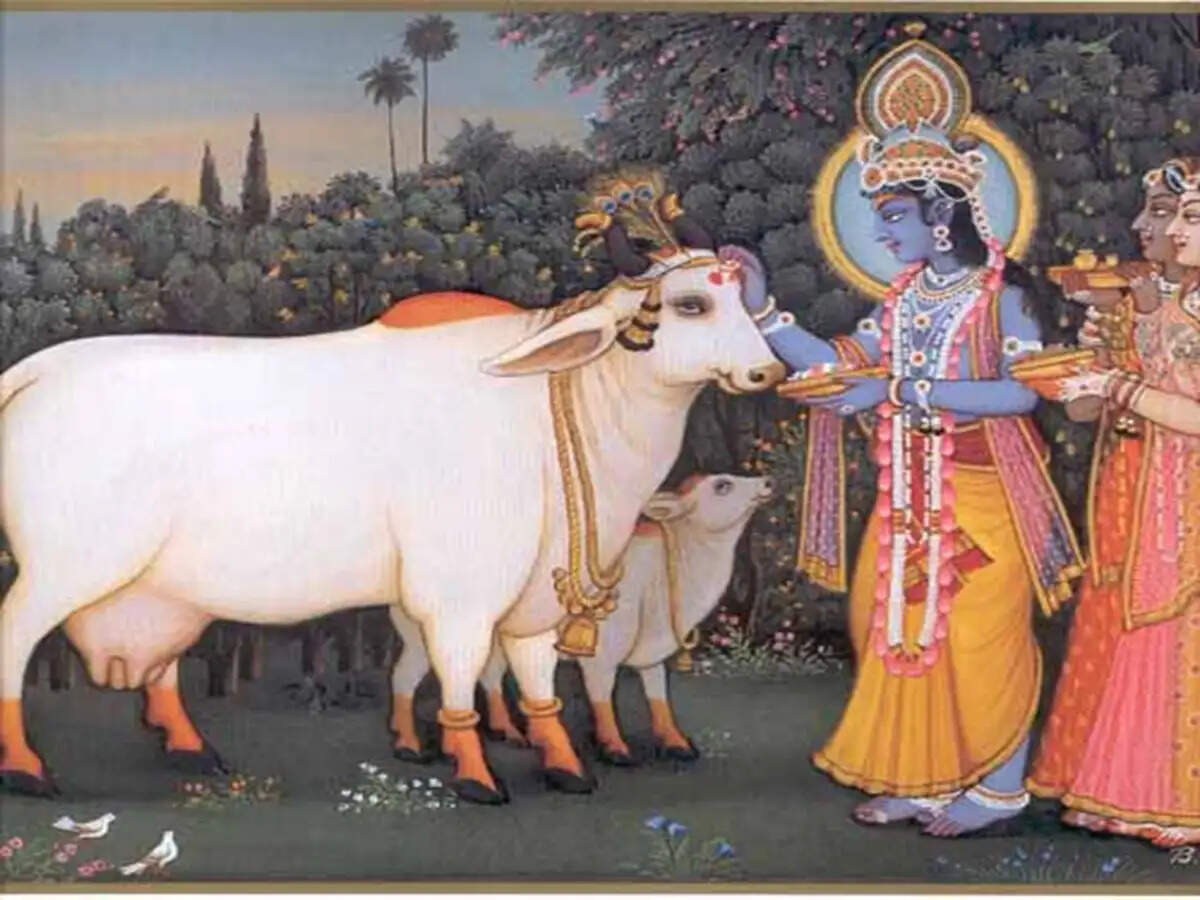
This custom is tied to a significant event from the childhood of Lord Shri Krishna. In the Braj region, Gopashtami is celebrated as a festival focused on cow service (*gau-seva*) and devotion to Lord Krishna.
Link Between Gopashtami and Lord Shri Krishna
The festival occurs on the *ashtami* (eighth day) of the *shukla paksha* (bright fortnight) in Kartika month. It is believed that on this day, Lord Shri Krishna began herding cows, transitioning from caring for calves.
As a child, Shri Krishna would venture into the forest with his elder brother, Balarama, and other cowherd boys to look after the calves. Initially, he was not given the responsibility of herding the adult cows due to his young age. However, as he matured, he was entrusted with this important task.
According to legend, once Shri Krishna reached the *pauganda* stage (a specific childhood phase), Nanda Baba and the other cowherds decided to let him herd the cows. Thus, on Kartika Shukla Ashtami, Shri Krishna and Balarama ventured into the forest to herd cows for the first time.
The celebration of Gopashtami began to honor this pivotal moment. The festival is also referenced in the *Kartika Mahatmya* section of the *Padma Purana*, which states that from this day onward, Lord Vasudeva (Shri Krishna) took on the responsibility of herding cows, moving beyond merely tending to calves.
Why Decorate and Worship Cows on Gopashtami?
The decoration of cows during Gopashtami stems from a deep devotion to Lord Krishna and a commitment to cow service (*gau-seva*). Lord Krishna spent his formative years among cows and cowherds, earning him titles like 'Gopal' and 'Govinda'. He is venerated as the protector and caretaker of cows in religious traditions.
On Gopashtami, cows are bathed and cleaned, and a *tilak* made from sandalwood paste and *roli* (vermilion) is applied to their foreheads. Their horns are painted, and they are adorned with flower garlands. In many areas, calves are also decorated alongside the cows.
During the worship, offerings of flowers, incense, and *diyas* (lamps) are made to the cows. An *aarti* is performed, and they are fed green fodder, jaggery, and *rotis*. In various regions, people also perform *parikrama* (circumambulation) around the cows, reflecting their respect and service towards them.
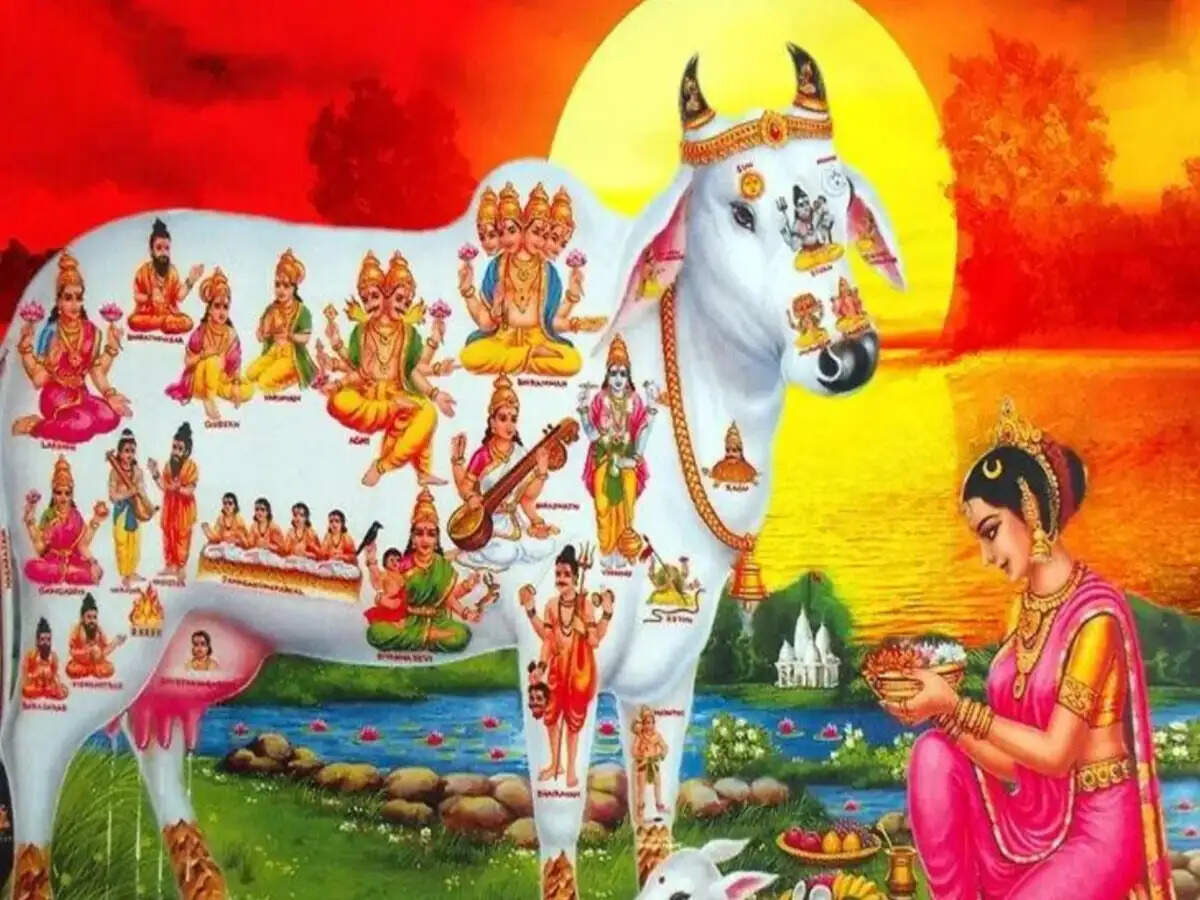
The Importance of *Gau-Seva* on Gopashtami
Gopashtami encompasses more than just rituals; it emphasizes the importance of serving cows. In the Braj region, including Mathura and Vrindavan, this festival is celebrated with great enthusiasm. In local temples, Lord Krishna is depicted as a young cowherd. Activities such as bathing cows, providing fodder, and ensuring their well-being are carried out in *gaushalas* (cow shelters).
On this day, many visit *gaushalas* to serve the cows, offering them fodder and other necessities. It is believed that serving cows brings happiness to Lord Krishna.
PC Social Media