
Understanding the Significance of Dussehra Ashes: Beliefs and Practices

Dussehra Celebration and Its Symbolism
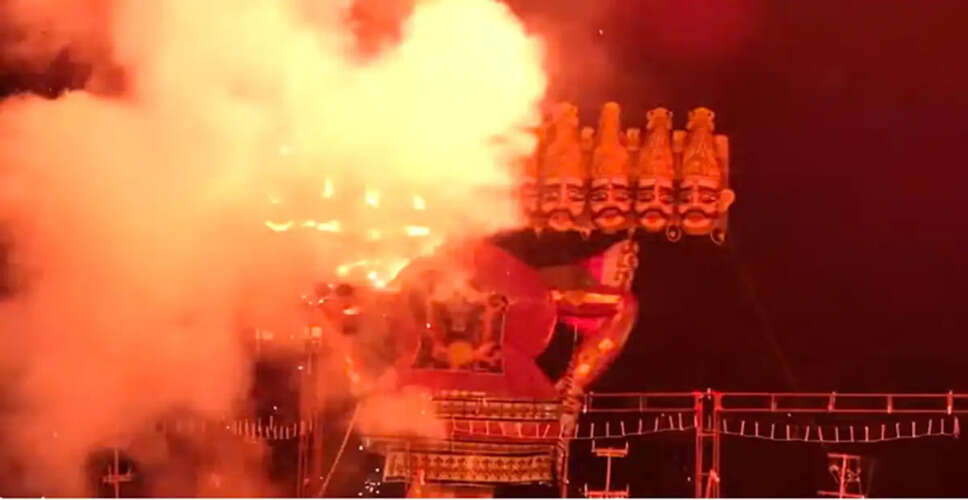
The festival of Dussehra, also known as Vijayadashami, is set to take place on Tuesday, October 20th. This day is marked by the ceremonial burning of Ravana's effigy throughout the nation. This event is steeped in religious significance, representing the victory of good over evil. Many people gather in large numbers to witness this spectacle, with some even collecting the ashes left behind. However, is it considered appropriate to keep these ashes at home? Let's delve into the beliefs surrounding this practice and what one should consider regarding these ashes.
Cultural Beliefs About Ravana's Ashes
Understanding the Significance of the Ashes
In various religious traditions, Ravana is viewed as a representation of ego, unrighteousness, and malevolence. The act of burning his effigy during Dussehra symbolizes the triumph of good over evil. Consequently, some traditions discourage the practice of bringing the ashes from the effigy into one's home. Nevertheless, there is no scientific basis to support the idea that keeping these ashes leads to misfortune or disrupts family harmony. Beliefs can differ widely across regions and customs, so these ideas should be seen as expressions of faith rather than absolute truths.
Guidelines for Handling Ashes from 'Ravan Dahan'
Should You Keep the Ashes?
Certain beliefs suggest that the ashes from Ravana's effigy should not be retained in homes or places of worship. The essence of Dussehra is to let go of negativity and adopt virtuous behavior. As a result, many individuals opt to leave the ashes at the site of the burning instead of taking them home. There is no universally accepted guideline regarding these ashes, so there is no need for concern about potential negative repercussions. What should you do if ash from the 'Ravan Dahan' inadvertently finds its way into your home?
Precautions to Take:
1. Keep the ash away from children and pets.
2. Avoid direct contact with the ash; use gloves or tools if necessary.
3. Do not scatter the ash in public areas or near water bodies.
4. Refrain from disposing of it in rivers or ponds, as the materials used in the effigy may be harmful to the environment.
5. Follow local waste management guidelines for disposal.
6. If the ash contains synthetic materials, it is advisable to dispose of it properly rather than burying it.
Post-'Ravan Dahan' Considerations
Reflecting on the Festival's Message
Dussehra embodies the victory of good over evil and encourages individuals to release ego, anger, and negative thoughts. Instead of fearing the ash left after the 'Ravan Dahan', one should concentrate on the festival's deeper meaning. While honoring religious customs, it is equally important to prioritize cleanliness, health, and environmental awareness.
Social Media
PC Social Media