
Understanding the Significance of Dhanteras and the Tradition of Lighting 13 Lamps

The Essence of Dhanteras in Hinduism
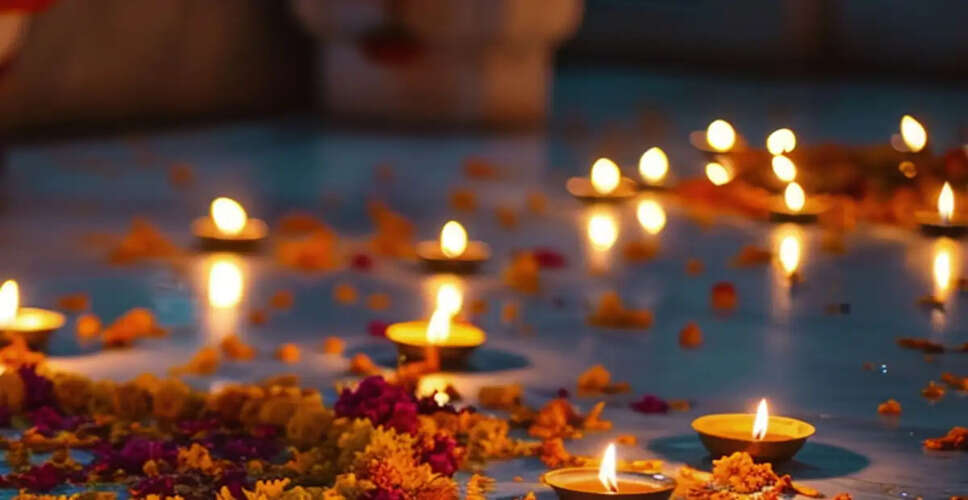
Dhanteras, a significant festival in Hinduism, symbolizes wealth, health, and auspicious beginnings. This celebration occurs on the thirteenth day (Trayodashi) of the waning moon in Kartika month, honoring Lord Dhanvantari, Goddess Lakshmi, and Lord Kubera. A cherished custom on this day is the lighting of lamps (diyas) in homes. It is believed that lighting 13 lamps in the evening is particularly auspicious, with the lamp dedicated to Yama, the God of Death, being especially important. This ritual is thought to bring peace, happiness, and longevity to family members. Let's delve into the religious importance of lighting 13 lamps on Dhanteras and the traditional placements for these lamps.
Religious Importance of Lighting 13 Lamps
The practice of lighting lamps during Dhanteras is steeped in symbolism, representing light, positivity, and the removal of negativity. It is believed that illuminating lamps on this day fosters a positive environment at home, attracting prosperity and joy. A notable tradition involves lighting a lamp directed towards the south, known as the 'Yama Deepaka', which is meant to safeguard family members and ward off untimely death. These beliefs may vary across different regions and families.
Placement of the 13 Lamps in the Home
The foremost lamp on Dhanteras is lit in honor of Yama, traditionally placed outside the main entrance of the house facing south. Mustard oil is often used for this lamp. As these lamps are lit, prayers are offered for the family's peace and well-being. Another lamp can be placed at the home altar, before Lord Dhanvantari and Goddess Lakshmi, symbolizing auspiciousness and illuminating the sacred space for worship.
Additionally, many families light a lamp near the Tulsi plant, which is revered in Hinduism. This act is a prayer for the family's prosperity and well-being. Care should be taken to position the lamp safely away from the plant and any flammable materials.
A fourth lamp can be positioned at the entrance of the home, enhancing the festive atmosphere with light and decorations. A well-lit entrance is believed to signify positivity and auspiciousness, so ensure the lamp is placed where it does not obstruct movement.
Another lamp may be placed on the rooftop or in an open area, known as 'Akash Deep', symbolizing offerings to the heavens. When lighting this lamp, precautions should be taken to shield it from wind and fire hazards.
If a Peepal tree is nearby, some traditions suggest lighting a lamp there, as this tree holds significant religious value. Ensure that the lamp is safely distanced from the tree and any dry leaves.
A seventh lamp can be lit at a local temple, reflecting devotion and faith. Lighting a lamp at a temple is a common practice, allowing for prayers for the family's health and happiness. Some traditions also recommend placing a diya near waste areas to symbolize cleanliness and illumination, but safety should be prioritized by keeping it away from flammable materials.
In certain customs, a diya may be placed outside the restroom entrance, though this is not a requirement for all households. If chosen, it should be securely positioned and never left unattended.
A diya can also be placed on a balcony or gallery to enhance the festive spirit. Care should be taken to avoid placing it on unstable surfaces or areas where it might fall.
Another diya can be positioned near a window to brighten that area, ensuring it is kept away from curtains and other flammable items. If no safe spot is available, it should be placed elsewhere.
The twelfth lamp can be set in a dark corner or the rear of the house, contributing to the overall illumination during Dhanteras. Ensure that it is placed safely to avoid fire risks.
Finally, the thirteenth lamp is often lit in the kitchen, near the drinking water area, as the kitchen symbolizes Goddess Annapurna and the abundance of food. This gesture seeks blessings for prosperity but must be kept away from flammable items.
Safety Tips for Lighting Lamps on Dhanteras
When lighting lamps on Dhanteras, safety should be a priority alongside devotion. Ensure lamps are placed on stable, fire-resistant surfaces and kept away from flammable materials like curtains and paper. Keep them out of reach of children and pets, and never leave a lit lamp unattended. Lighting all 13 lamps is not obligatory; families can follow their traditions and customs while ensuring safe placements.