
Understanding the Sibling Economy: How Kids Learn Valuable Life Skills
Kids Are Becoming Financially Savvy
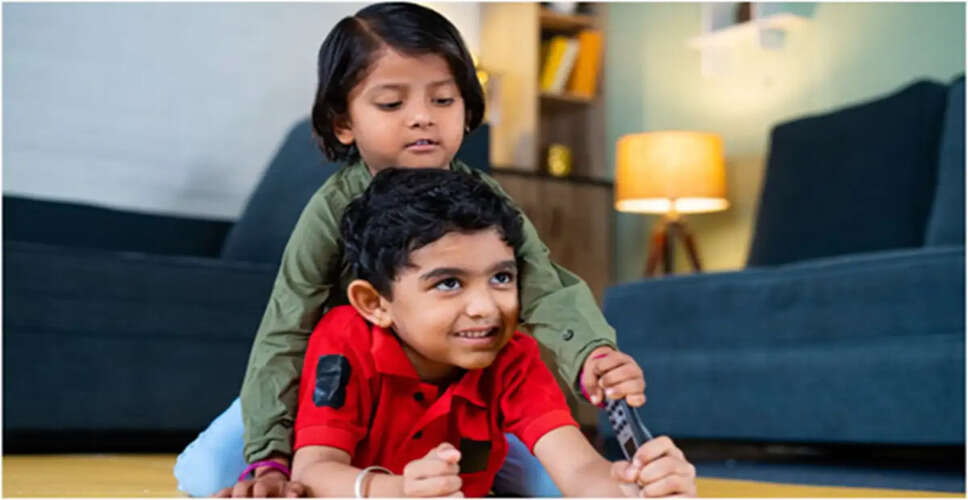
Your son trades his video game with his sister for a chance to use her bicycle. Later that evening, he requests a piece of her chocolate in exchange for assisting her with homework. In their quest to cover for each other's mistakes, they might even negotiate a portion of the other's allowance. While this behavior might seem questionable to some, child psychologists refer to it as the "Sibling Economy."
Defining the Sibling Economy
The term may not be formally recognized in academic literature, but the concept has been a common practice in many Indian households for generations. It encompasses the small-scale transactions, agreements, and exchanges that siblings engage in, such as sharing toys, swapping books, or negotiating TV time and allowances. These interactions teach children the value of items and the consequences of their choices.
Insights from Research
Research in child psychology suggests that children who practice negotiation and sharing during their formative years are more adept at making informed decisions later in life. The American Psychological Association highlights that this process nurtures both social and financial skills in children. Additionally, findings from the University of Cambridge indicate that sibling relationships foster empathy, a trait that becomes integral to their character.
Lessons Gained
Through the Sibling Economy, children learn the significance of money and time early on. Research indicates that those who start making financial choices between the ages of 10 and 12 are better equipped to manage financial pressures as adults. This practice also promotes a sense of responsibility and independence. Moreover, the agreements made between siblings improve their communication skills, leading to fewer conflicts and enhanced cooperation.
Essential Life Skills
In a world where children often find themselves absorbed in screens, the Sibling Economy offers a practical way to impart crucial life skills. These small exchanges encourage habits like communication, compromise, patience, and teamwork—skills that cannot be learned through books or apps. This system is not just a minor household dynamic; it lays the groundwork for their future.
The Importance of Parental Guidance
Parents play a vital role in this learning process. If they intervene in every minor disagreement or negotiation, children miss out on valuable learning experiences. However, by allowing children to make decisions within set boundaries and stepping in only when necessary, the "Sibling Economy" can evolve into a positive and constructive experience.
Cultivating Life Skills
Child psychologist Gargi Malgudi notes that while the Sibling Economy may start with simple exchanges, it gradually helps children understand budgeting. Through discussions, compromises, and cooperation, sibling relationships are strengthened. Children become more attuned to each other's feelings, enhancing their emotional intelligence. They learn to differentiate between suitable and unsuitable emotional reactions and make balanced decisions. Over time, this fosters critical life skills such as patience, tolerance, problem-solving, and the ability to manage unforeseen expenses, ultimately aiding them in building better relationships and navigating life more effectively.
PC Social Media
PC Social Media