
Understanding the Safety of Refrigerated Dough: Myths Debunked

The Role of Chapati in Daily Meals
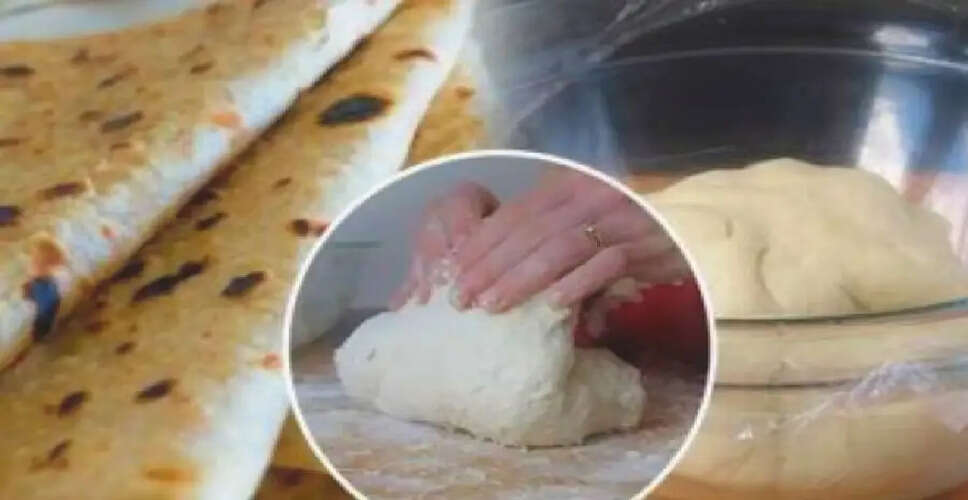
Chapati is a staple in many households, often prepared for lunch or dinner. However, since it’s not always feasible to knead fresh dough daily, many people opt to prepare larger batches and store them in the refrigerator. Sometimes, leftover dough is kept for later use. This practice raises various concerns and misconceptions about the safety of refrigerated dough. Some individuals claim that dough stored in the fridge becomes toxic, while others argue that its nutritional value diminishes. To clarify these issues, expert opinions are essential.
Expert Insights on Refrigerated Dough
Nutritionists assert that the belief that refrigerated dough becomes toxic is entirely unfounded. The temperature inside a refrigerator is typically around 4 degrees Celsius, which inhibits bacterial growth. Therefore, when stored correctly, the dough remains safe. Proper storage is a crucial factor; experts recommend keeping the dough in an airtight container with a bit of oil to maintain its freshness.
Moreover, refrigerated dough is not nutritionally harmful. A common misconception is that the nutrients, such as protein, fiber, and other essential components, degrade when stored this way. However, nutritionists refute this claim, stating that the protein, carbohydrates, and fiber in refrigerated dough remain as safe as in fresh dough. In fact, certain antioxidants, like ferulic acid, are absorbed more effectively by the body when stored in this manner.
Best Practices for Storing Dough
To further minimize any risks, adhering to specific guidelines is advisable. For instance, always store the dough in the main compartment of the refrigerator, avoiding the door where temperature fluctuations are common. If the dough develops a hard crust or its texture changes, it should be discarded. Ideally, use the kneaded dough within 24 hours. Overall, the notion that refrigerated dough is toxic is incorrect; when stored properly, it remains safe, nutritious, and usable. Therefore, steer clear of these myths and plan ahead to store your dough correctly.