
Understanding the Safety of Mosquito Repellent Creams for Your Skin
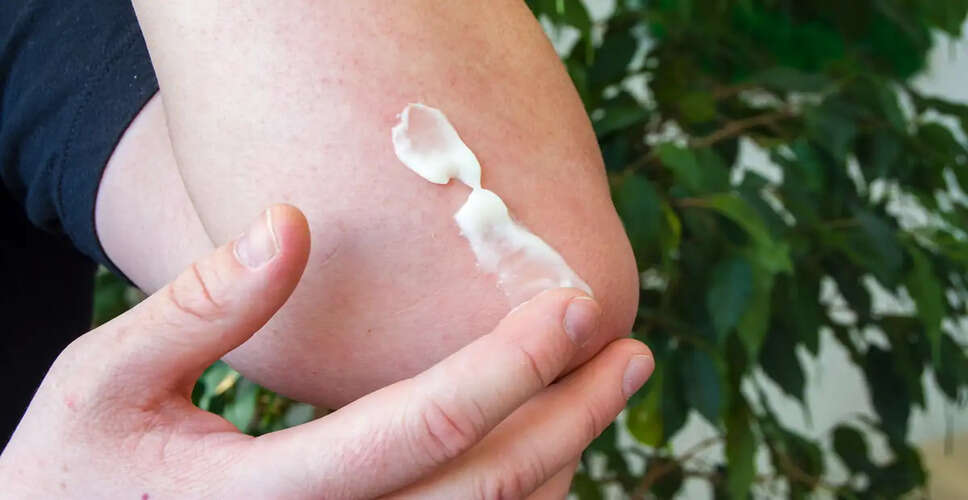

Are Mosquito Repellent Creams Safe for Skin Use?
Have you ever used mosquito repellent cream? Many urban dwellers rely on these products. However, concerns have arisen regarding their safety on the skin. In today's world, where misinformation spreads rapidly on social media, some individuals fear that these creams could severely damage their skin. But how valid are these concerns? Let's explore expert opinions on the matter.
Do These Creams Cause Harm?
Experts, including Dr. Priyanka Kuri, a Senior Consultant in Dermatology at Aster Whitefield Hospital in Bengaluru, clarify that most reputable mosquito repellent creams are safe. However, improper application can lead to skin issues. While no medication is entirely without side effects, rigorous testing ensures that these products are safe for public use. Claims suggesting that these creams are harmful are misleading. It's crucial to remember that the risk of mosquito-borne diseases like dengue and malaria far outweighs the potential for skin irritation.
Are Mosquito Repellent Creams Safe for Skin?
Dr. Kuri emphasizes that, from both clinical and public health perspectives, the benefits of using repellent creams surpass any potential risks. Ingredients such as DEET, picaridin, and IR3535 have been thoroughly studied and deemed safe when applied as directed. The World Health Organization also supports the use of topical repellents for protection against mosquito-related illnesses. While these creams are generally safe, they can cause mild side effects like irritation or redness, particularly with excessive use.
Proper Usage Guidelines
According to dermatologist Dr. Sai Lahari, most individuals can safely use these products, but those with pre-existing skin conditions may face heightened risks. For instance, individuals with cuts, sensitive skin, or conditions like eczema might experience irritation. Often, adverse reactions stem from misuse rather than the product itself. Dr. Lahari notes that issues frequently arise from over-application or using the cream on broken skin.
Tips for Effective Use
While there is a growing trend towards natural or herbal repellents, caution is advised. Dr. Kuri warns that these alternatives may not be as effective and could pose risks. For best results, apply the cream only when necessary, avoiding direct application to the face. Instead, apply it to your hands first, keeping it away from the eyes and mouth. Remember to wash it off after returning indoors, and it's advisable to clean your hands before application.
PC Social Media