
Understanding the Role of Vitamin K in Blood Clotting

The Body's Natural Healing Process
It’s a common occurrence for blood to flow from a cut or injury, but it typically ceases on its own. Have you ever considered how this self-regulation occurs?
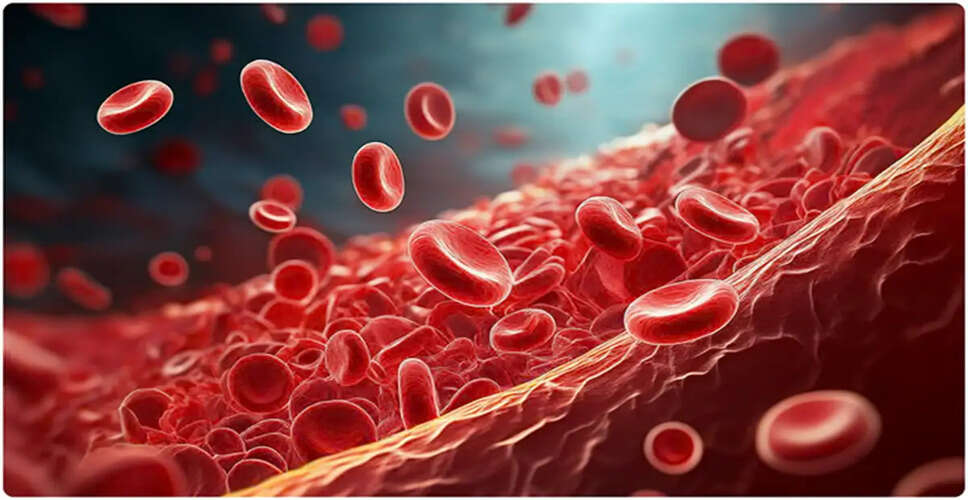
The human body has an innate mechanism for clotting blood, which activates immediately after an injury. A vital component of this process is Vitamin K, which aids the liver in generating proteins essential for blood clot formation, effectively stopping the bleeding. Without sufficient Vitamin K, even minor injuries can lead to complications, and the healing process may be delayed.
Consequences of Vitamin K Deficiency
A lack of Vitamin K can hinder proper blood clotting, resulting in symptoms like frequent nosebleeds, bleeding gums, or unexplained bruising. This raises the question: what causes Vitamin K deficiency, and how can it be remedied through diet?
Importance of Vitamin K
While Vitamin K deficiency is uncommon, certain health conditions—such as digestive disorders, nutrient absorption issues, or specific medications—can heighten the risk. Thankfully, this vitamin is found in a variety of everyday foods, making dietary adjustments a viable solution.
Vitamin K's Role in Clotting
Vitamin K is crucial for activating various "clotting factors" produced by the liver. When an injury occurs, platelets collaborate with these factors to create a blood clot. Insufficient Vitamin K can disrupt this process, leading to prolonged clotting times in severe cases. Additionally, intestinal disorders like celiac disease and ulcerative colitis can lower Vitamin K levels, as can liver and digestive system issues. Nutrient absorption may also be compromised after bariatric surgery, further complicating the situation.
Ensuring Sufficient Vitamin K Intake
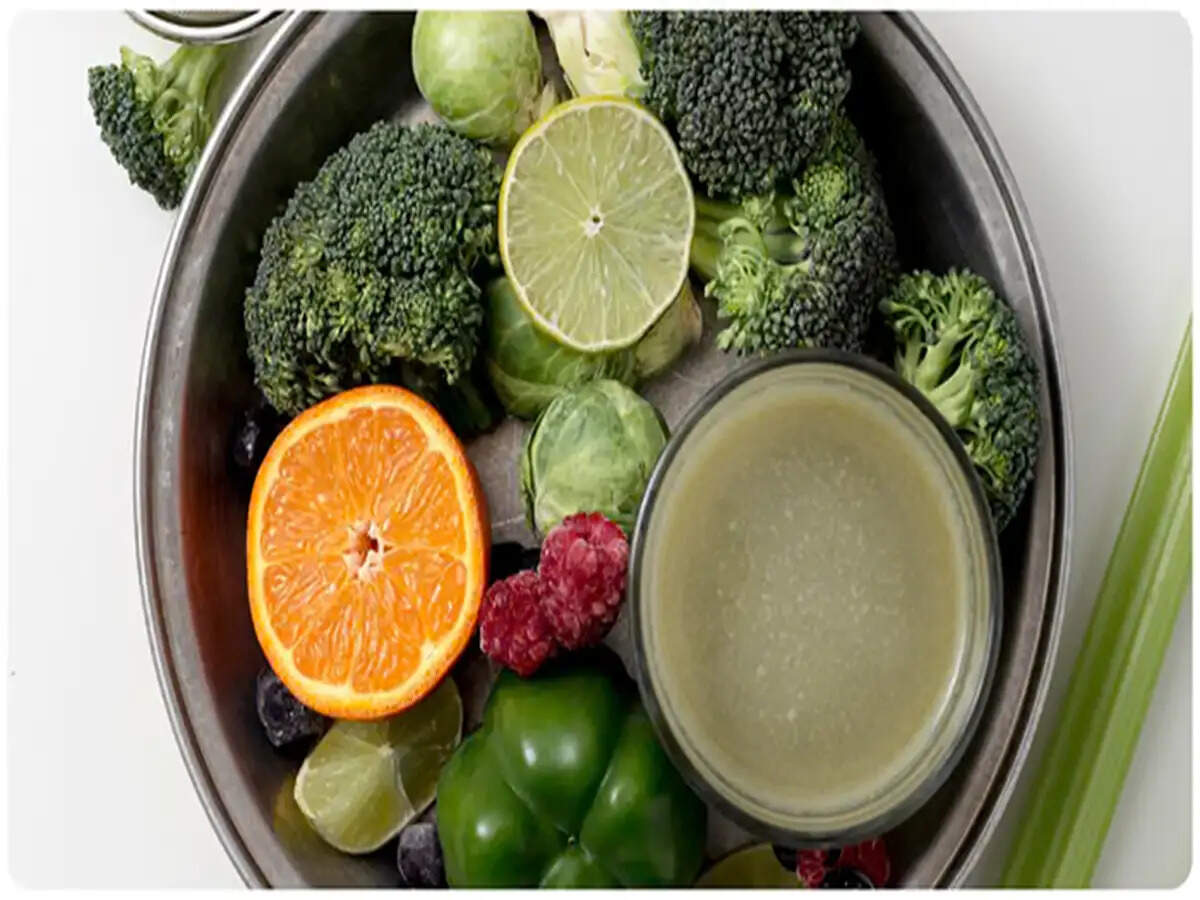
Experts recommend that maintaining adequate Vitamin K levels can be achieved through dietary improvements. Leafy greens such as spinach, fenugreek (methi), broccoli, and cabbage are rich in Vitamin K and should be included in a balanced diet.
If you have celiac disease or another intestinal condition, consulting a healthcare professional is advisable. Moreover, individuals on blood-thinning medications should avoid making abrupt changes to their Vitamin K intake, whether by drastically increasing or decreasing it.
Stay Informed
PC Social Media