
Understanding the Ritual of Wrapping the Raksha Sutra
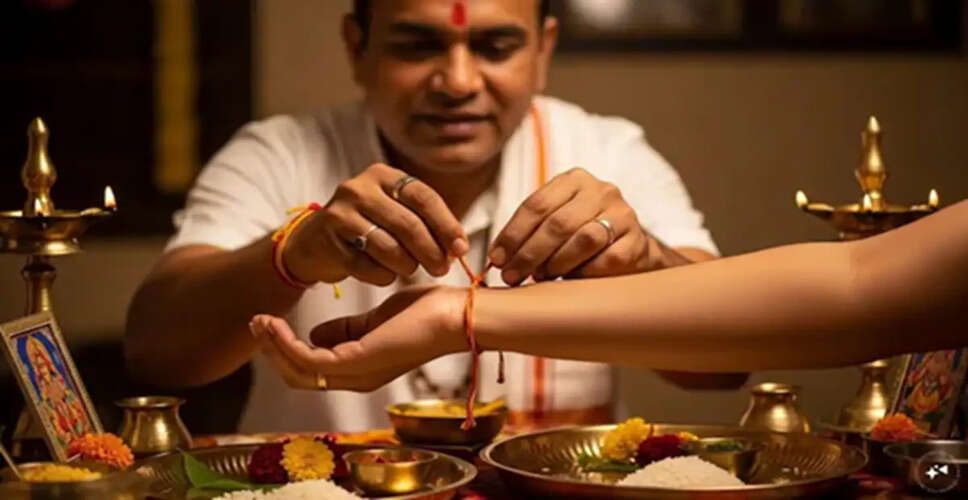

The Ritual of the Raksha Sutra
In Hindu traditions, during rituals like *puja*, *havan*, or *yajna*, a priest ties a protective thread known as *Raksha Sutra* or *Kalava* around an individual's wrist. This practice is also referred to as *Mauli* in certain areas. Typically, priests wrap this sacred thread around the wrist either three or five times, although some individuals may choose to wrap it once or even seven times. This leads to the question: what is the appropriate number of times to wrap the *Raksha Sutra*—is it three, five, or seven?
How Many Times Should the Raksha Sutra Be Wrapped?
Generally, the *Raksha Sutra* is tied around the wrist at least three times, which is the common practice among most priests. Some individuals opt for five wraps. Ideally, the *Raksha Sutra* or *Kalava* should be wrapped either three or five times.
The Importance of Three Wraps
Wrapping the *Raksha Sutra* three times symbolizes a connection to the *Tridev* (the Holy Trinity) and the *Trishakti* (the three supreme feminine energies). In Hinduism, the *Tridev* includes Brahma, Vishnu, and Mahesh (Shiva), while the *Trishakti* consists of Goddesses Mahalakshmi, Mahasaraswati, and Mahakali. This threefold wrapping invokes divine protection from these powerful forces.
The Significance of Five Wraps
On the other hand, wrapping the *Kalava* or *Raksha Sutra* five times relates to the *Pancha Tattva* (the five elements) of the universe: Earth, Sky (Space), Water, Fire, and Air. Since the human body is made up of these elements, wrapping the *Raksha Sutra* five times symbolizes the balance and safeguarding of these essential components.
Which Wrist Should the Raksha Sutra Be Tied On?
Traditionally, men wear the *Raksha Sutra* on their right wrist, while married women typically have it tied on their left wrist. Unmarried girls and young women can also wear it on their right wrist.
It is important to keep the hand closed while the *Raksha Sutra* is being tied; the fist should be clenched. The tying should occur while mantras are recited, and once completed, a *Dakshina* (ritual offering) is presented to the priest.
Conclusion
Understanding the significance and proper method of tying the *Raksha Sutra* enhances the spiritual experience of the ritual, ensuring that it serves its purpose of protection and balance.