
Understanding the Ritual of Bowing in Temples: A Guide to Offering Pranam

The Significance of Offering Pranam in Temples
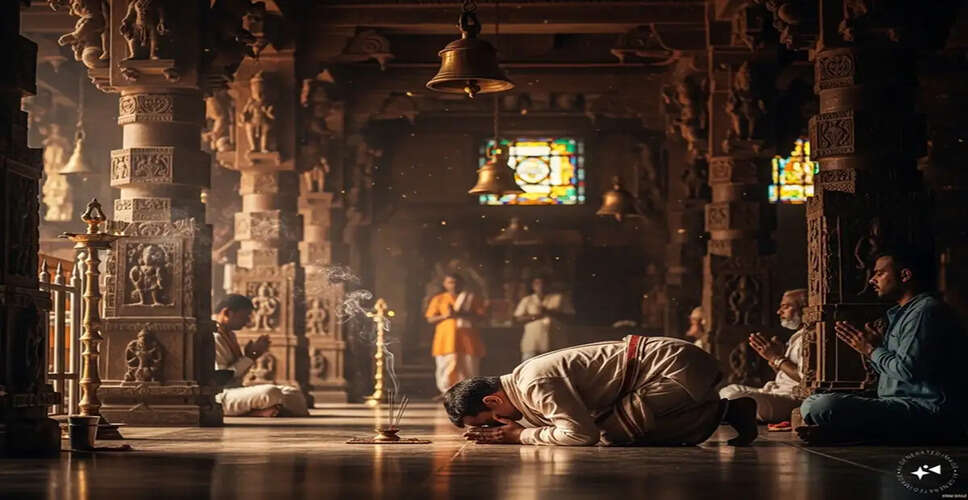
When individuals visit a temple, their foremost intention is to connect with the deity and receive blessings. A common practice involves bowing down and touching one's forehead to the ground, symbolizing deep respect and devotion. Yet, have you ever considered whether there exists a traditional way to perform this act of bowing?
According to Sanatan traditions, there are various intricacies associated with worship, each deeply rooted in spiritual beliefs and cultural customs. One such custom is the act of bowing, or offering *pranam*, to the deity. In many cultures, it is believed that placing the forehead directly on the bare ground is not advisable; instead, a specific method of bowing is deemed more auspicious.
Religious Perspectives on Bowing
Understanding the Beliefs Surrounding Bowing
While temple grounds are revered as sacred spaces, traditions regarding placing one's head on the floor can differ. Some folk beliefs caution that directly touching the forehead to the ground may expose an individual to negative energies or impurities from others. However, this notion is largely based on cultural traditions and varies across different communities. Many consider this a matter of personal faith and respect.
How to Properly Offer Pranam
Traditionally, if one wishes to bow or touch their forehead to the ground in a temple, it is recommended to first place both hands on the floor. Following this, the forehead should be touched to the hands while offering *pranam*. This method is believed to be more dignified and respectful, with the hands serving as a medium that reflects humility and surrender. Just as touching the feet of an elder signifies respect, bowing before the deity represents the relinquishing of ego.
Guidelines for Temple Visits
Practices to Observe When Visiting a Temple
A temple is not just a place for worship; it is also seen as a refuge for tranquility and positive energy. Therefore, adhering to certain practices during a visit is considered beneficial. It is essential to maintain a calm demeanor and avoid rushing when entering a temple. Cultivating gratitude and thankfulness before the deity is important, rather than merely praying for personal desires. Additionally, keeping the temple premises clean, observing discipline, and respecting the beliefs of others are regarded as virtuous actions.
Are These Rules Universal?
Worship practices and religious customs across India can differ significantly by region. While some areas observe *Dandavat Pranam* (full prostration), others may bow their heads with folded hands. Consequently, the guidelines regarding bowing one's head are interpreted through the lens of faith and tradition. Many scholars assert that the true essence of worship lies in an individual's heartfelt sentiment. Genuine devotion is characterized by reverence, faith, and positive thoughts.
The Essence of Faith and Reverence
Bowing as a Symbol of Respect
Offering *pranam* in a temple transcends mere physical action; it serves as a profound expression of respect and surrender to the Divine. More crucial than debating the correctness of the act is the maintenance of a spirit of reverence and humility. Religious beliefs encourage individuals to foster discipline, virtuous values, and a positive mindset. Thus, when performing obeisance in a temple, the inner sentiment is regarded as equally important as the ritual itself.
Connect with Us
PC Social Media